Updated October 2026
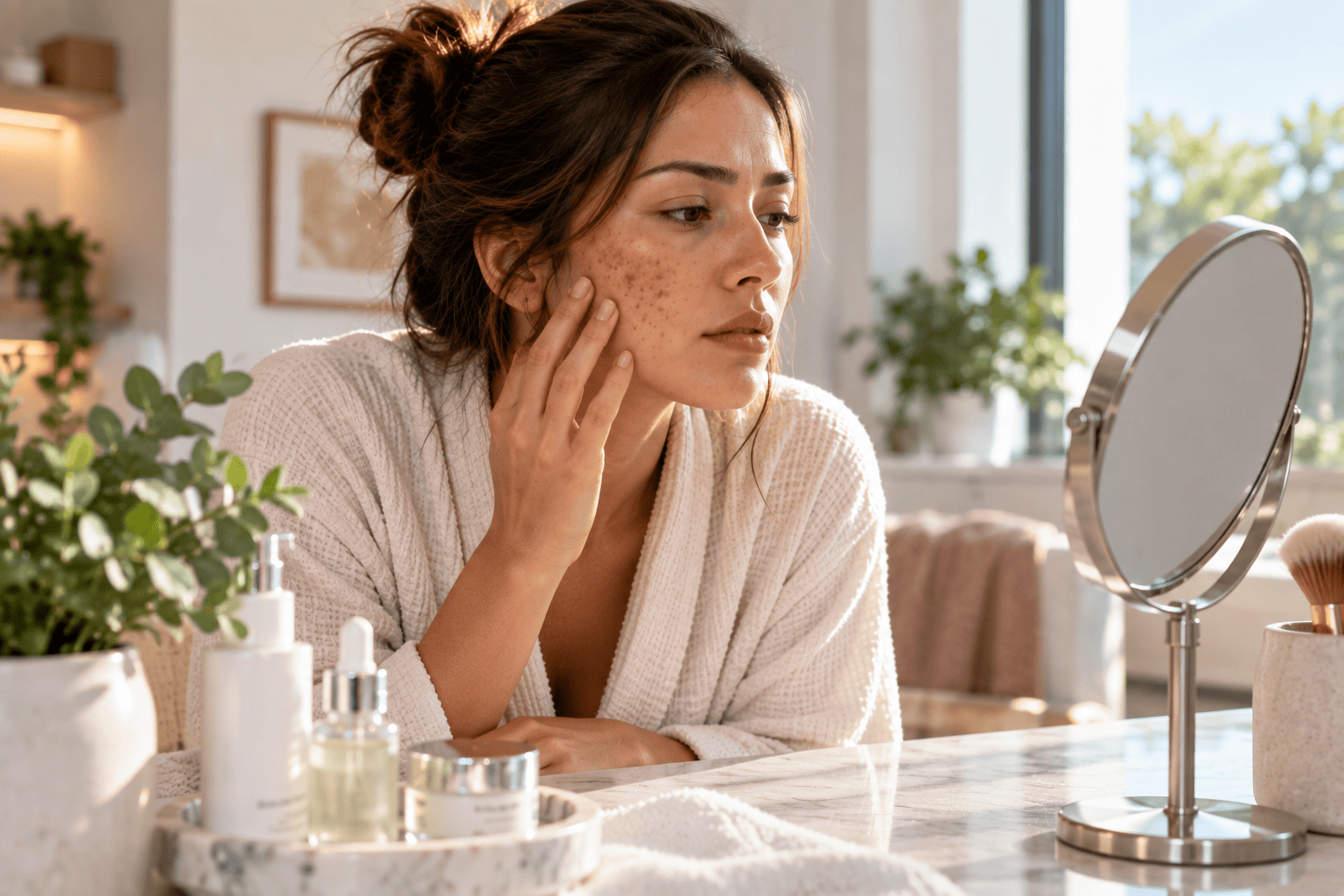
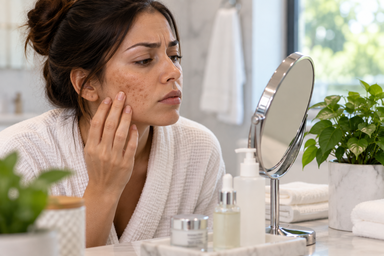
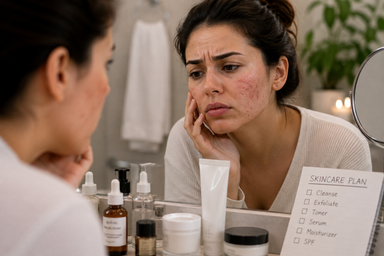
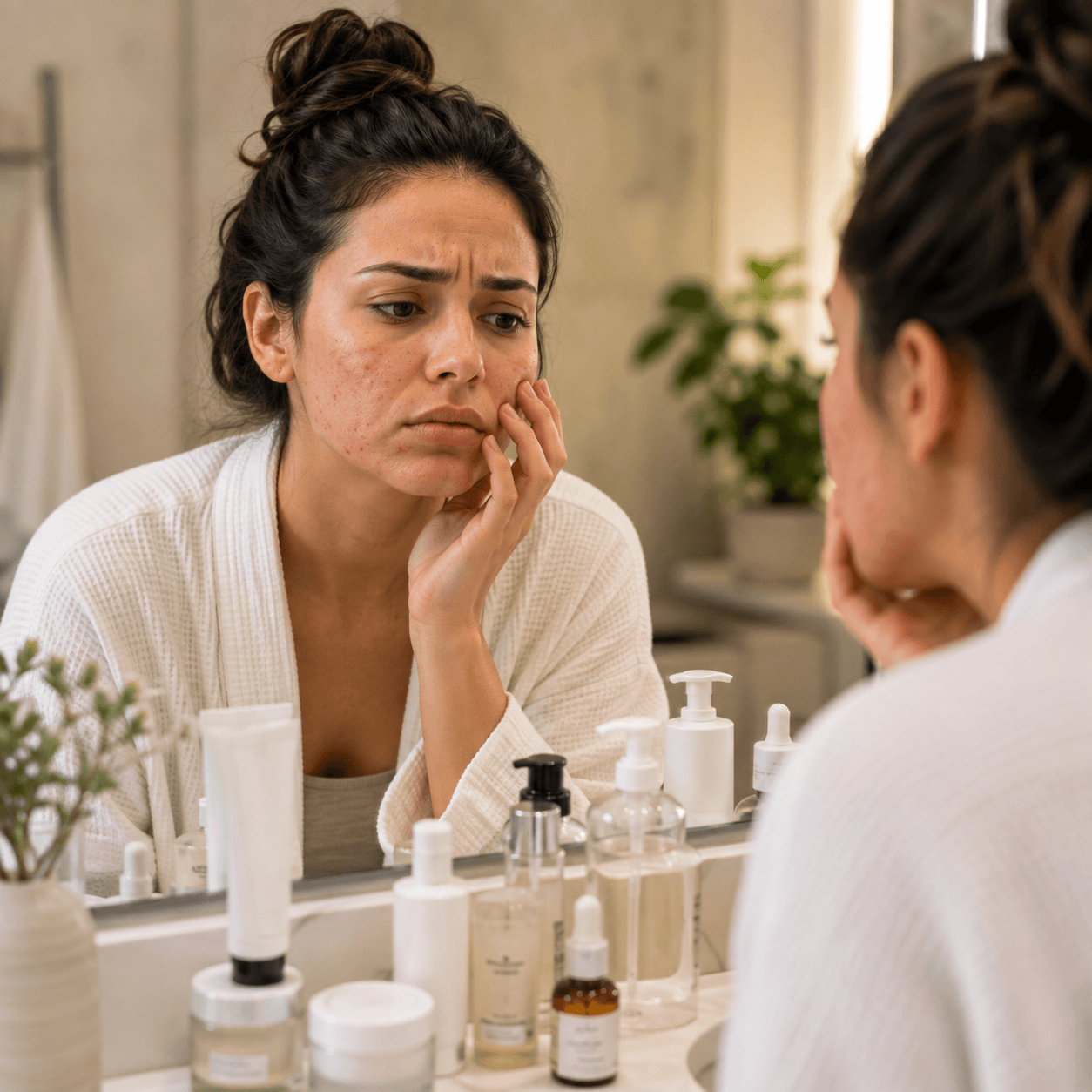
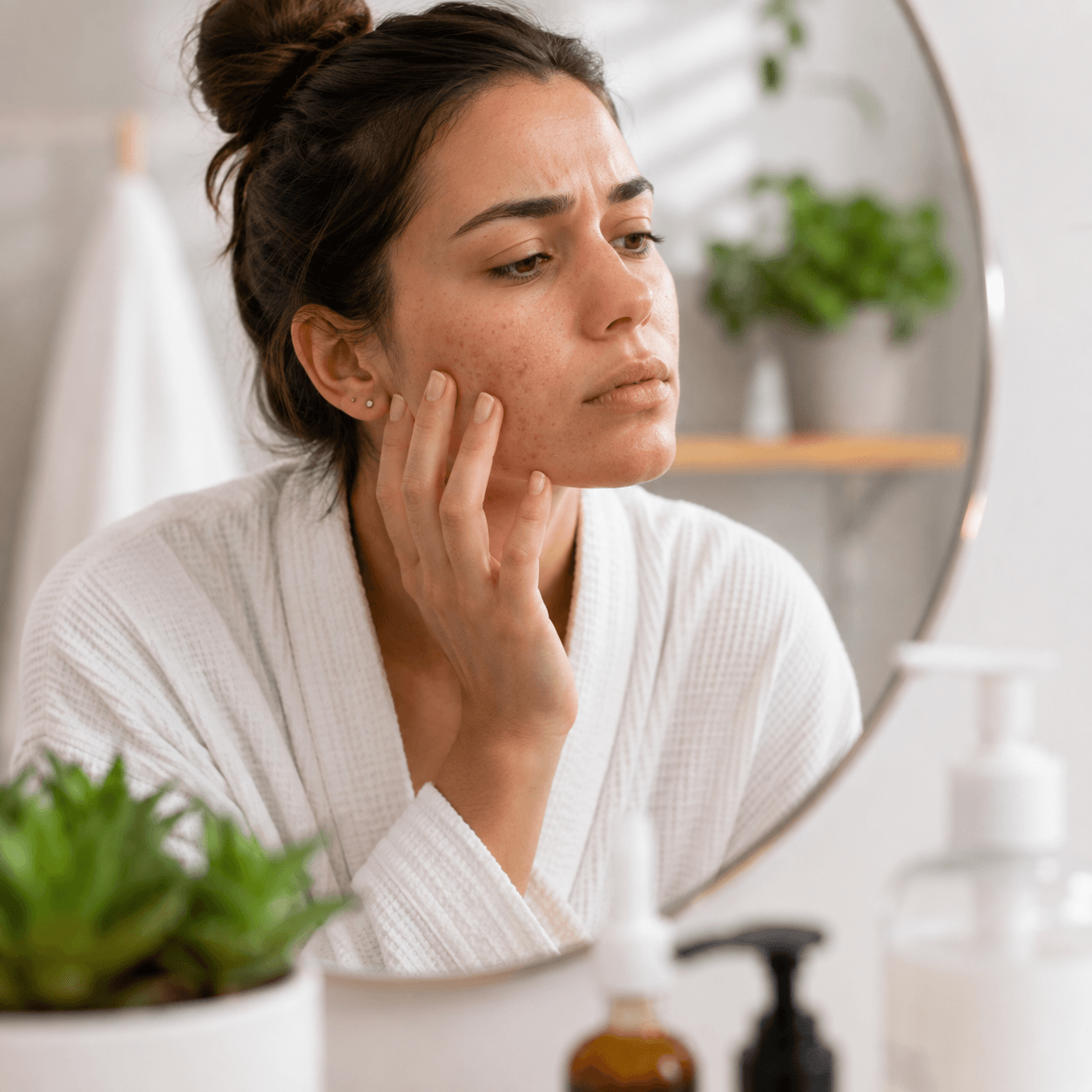
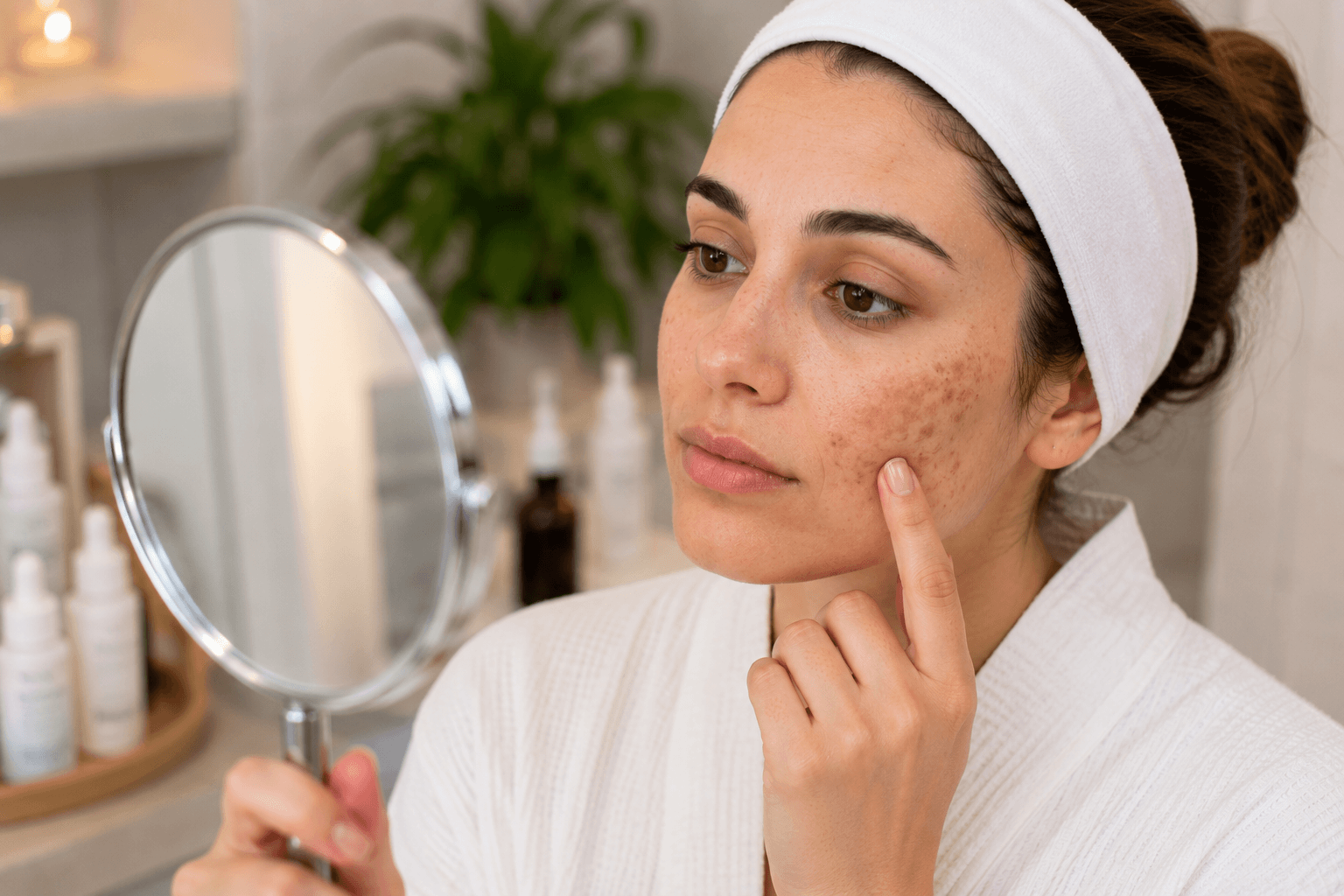
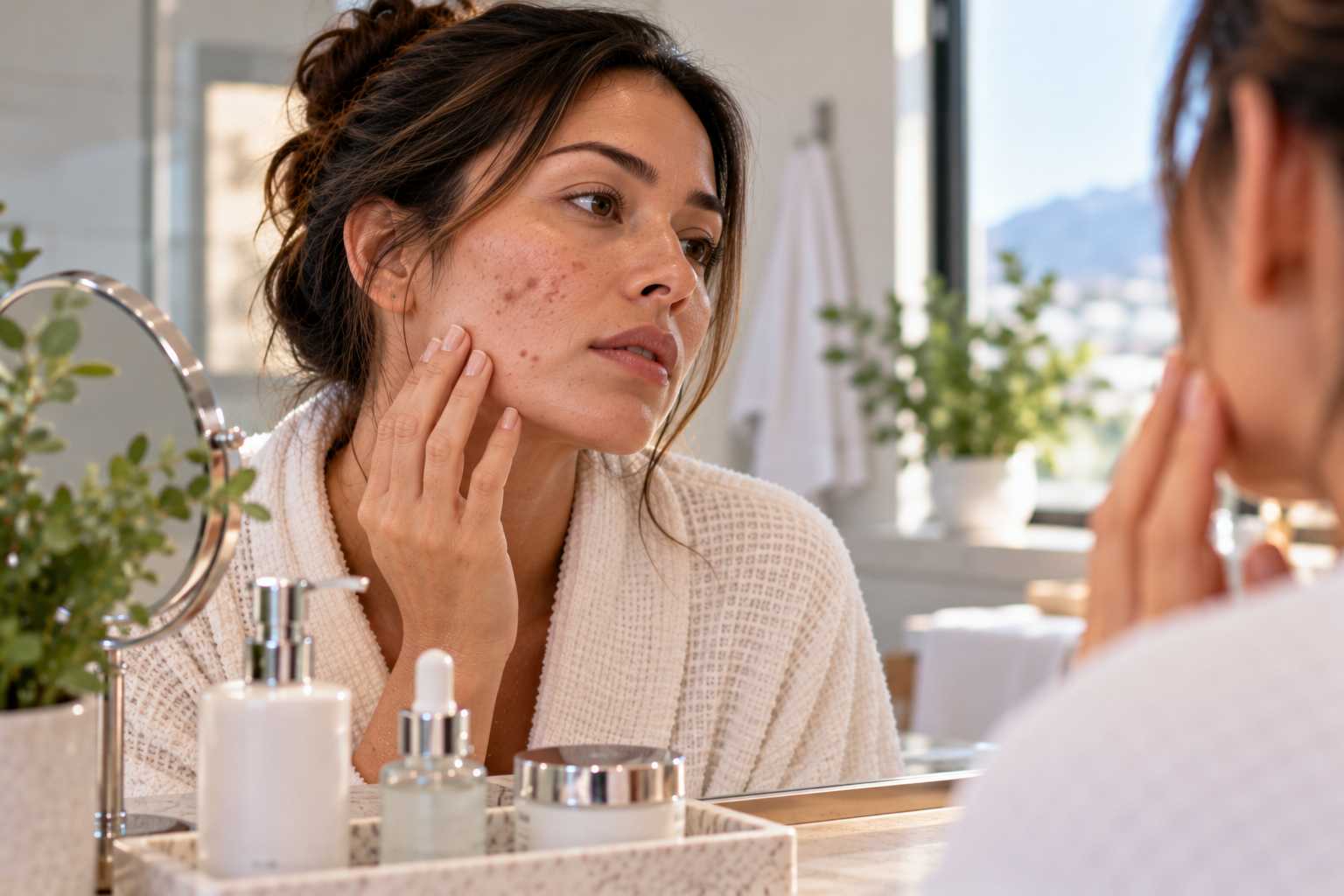
The breakout is finally gone. But weeks later, there is still a reminder: a flat brown, red, or purple spot right where the pimple used to be. Is it a scar? Is it permanent? And why does it seem to stick around longer than the actual breakout did?
Here is some reassuring news. Many of the marks people call "acne scars" are actually post-inflammatory hyperpigmentation, a type of discoloration that often fades with the right care. Knowing which one you are dealing with changes everything about how you treat it. At Glow On Studios, a Gold River skincare studio serving Sacramento, this is one of the most common questions clients ask, especially younger adults coming out of a tough breakout season. Here is how to tell the difference and what actually helps.
What Is the Difference Between Post-Acne Marks and Acne Scars?
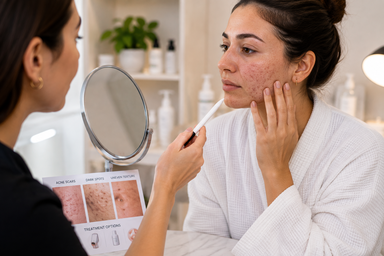
Post-acne marks are flat areas of discoloration left after a breakout heals, while true acne scars change the texture of the skin. A simple way to tell: if you run your finger over the area and it feels smooth and level, it is most likely a mark, not a scar.
The American Academy of Dermatology explains that a flat patch of color after acne clears is usually post-inflammatory hyperpigmentation rather than a scar, and that most true acne scars are depressed or sunken, giving the skin an uneven texture.
Signs you are dealing with hyperpigmentation
- The spot is flat and smooth to the touch
- It looks brown, tan, or dark, sometimes pinkish or purplish depending on your skin tone
- It appeared after a breakout, irritation, or picking
Signs you are dealing with a textural scar
- The area dips below the surrounding skin or looks pitted
- Light hits it differently, creating shadows
- It has been there for a long time without changing
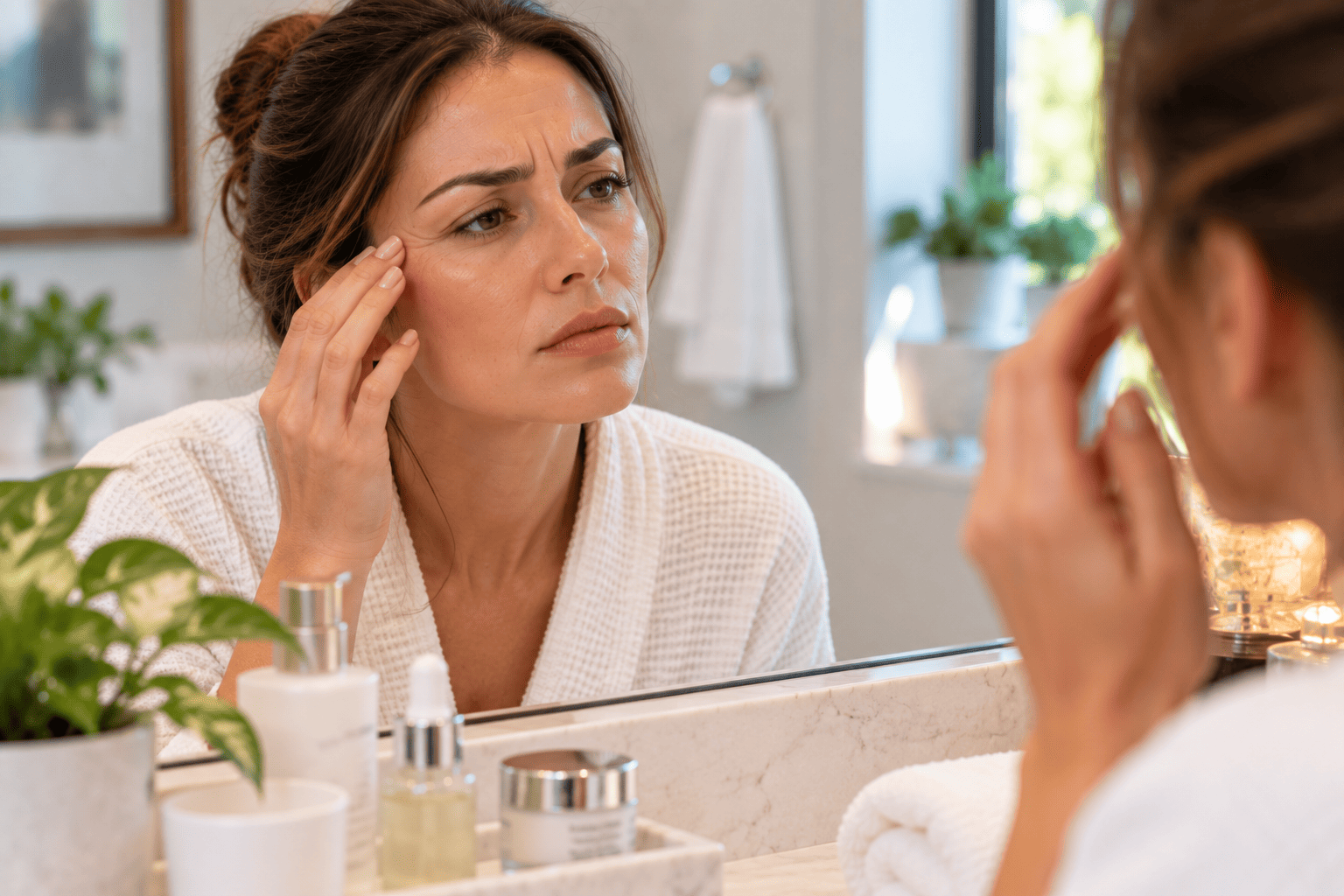
You can have both at once, which is common. That is why a professional skin assessment is so helpful.
Why Do Dark Marks Linger After a Breakout?
Dark marks form when inflammation triggers the skin to produce extra pigment as it heals. The deeper or more irritated the breakout, and the more it was picked or squeezed, the darker and longer-lasting the mark tends to be.
Sun exposure makes it worse. UV light can darken existing marks and slow fading, which is a big deal in the Sacramento Valley, where long, sunny summers mean lots of UV exposure. According to the American Academy of Dermatology, a spot a few shades darker than your skin often fades in 6 to 12 months once the cause is under control, while deeper discoloration can take much longer.
Are some skin tones more prone to post-acne marks?
Yes. People with medium to deeper skin tones are more likely to develop post-inflammatory hyperpigmentation after breakouts, and those marks can be especially persistent. Gentle, consistent treatment and daily sun protection are key, along with avoiding harsh products that can trigger more irritation.
Why Is This So Common for Gen Z and Younger Adults?
Younger adults tend to have more active breakouts, and many have developed habits like picking, popping, or over-treating that make marks worse. Add in trending products that may be too harsh, and post-acne marks can pile up quickly.
If that sounds like you, it is okay. Picking is incredibly common, and nobody at Glow On will judge you for it. The goal is to break the cycle:
- Hands off active breakouts, since picking increases the risk of both marks and scarring
- Simplify your routine instead of layering multiple strong actives
- Wear sunscreen every single day, even when it is cloudy
- Treat active breakouts and fading marks at the same time
Do Men Get Post-Acne Marks Too?
Absolutely. Men often deal with marks from breakouts, ingrown hairs, and razor irritation along the beard and neck area. Many men also skip daily sunscreen, which can keep those marks darker for longer.
The same principles apply: calm the irritation, protect from the sun, and use professional treatments to support fading. Your esthetician can also help you adjust your shaving routine so you are not creating new marks while you work on the old ones.
What Hyperpigmentation Treatments Can Help Fade Post-Acne Marks?
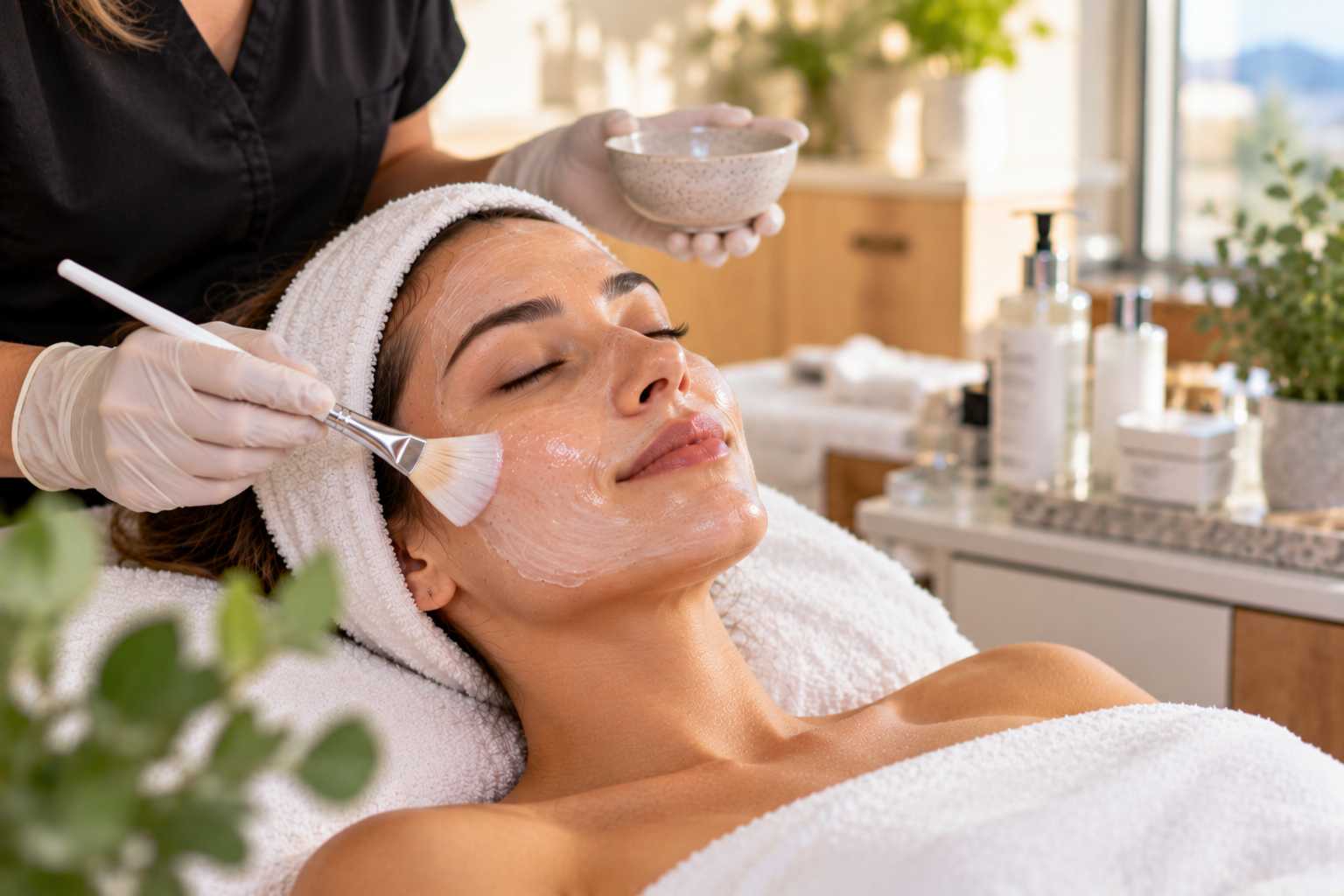
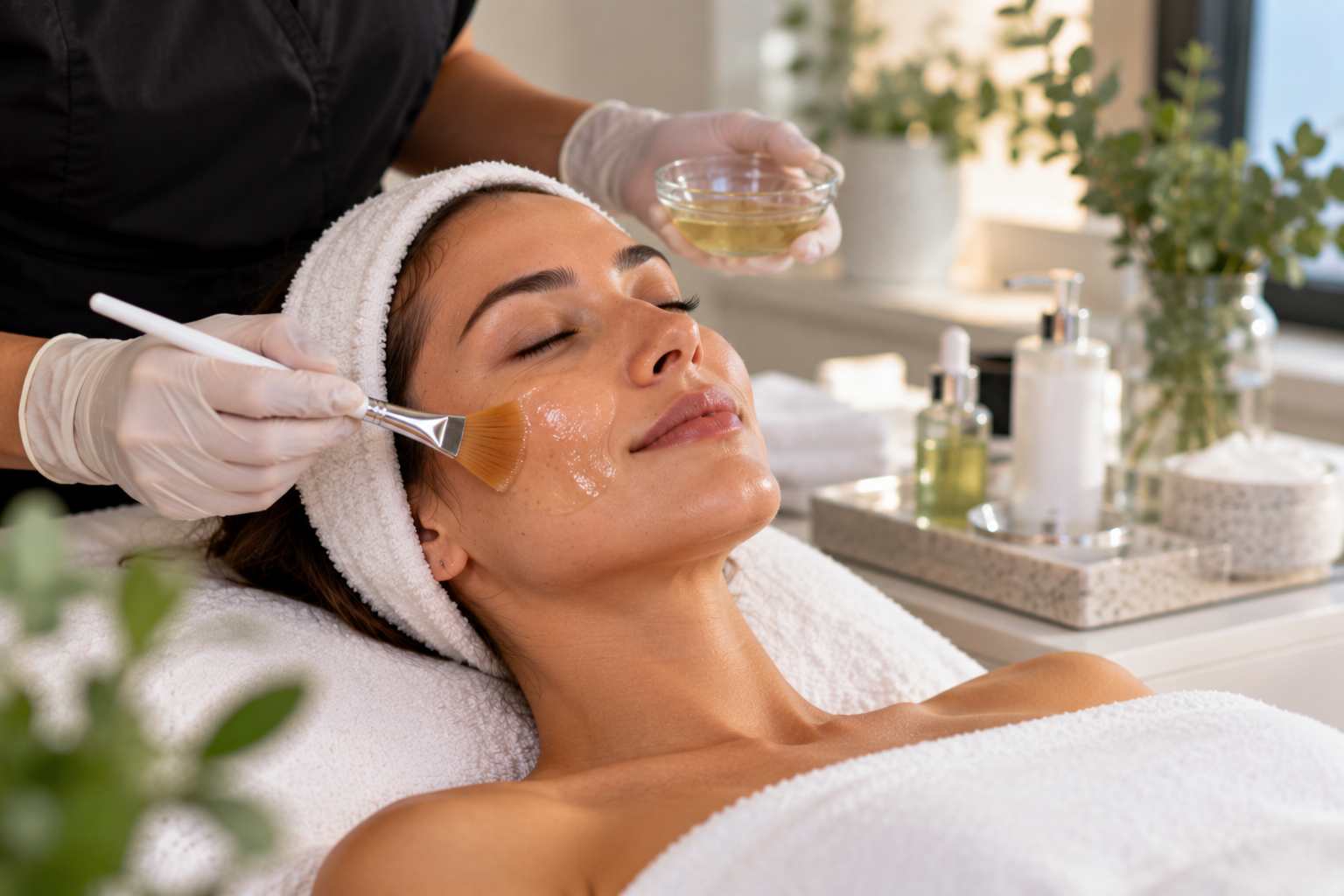
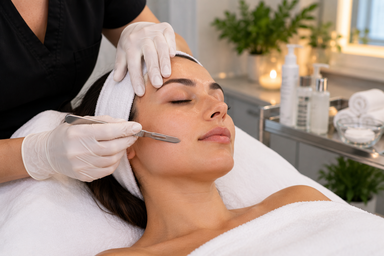
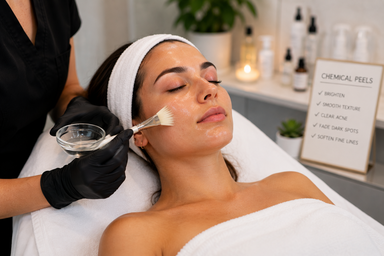
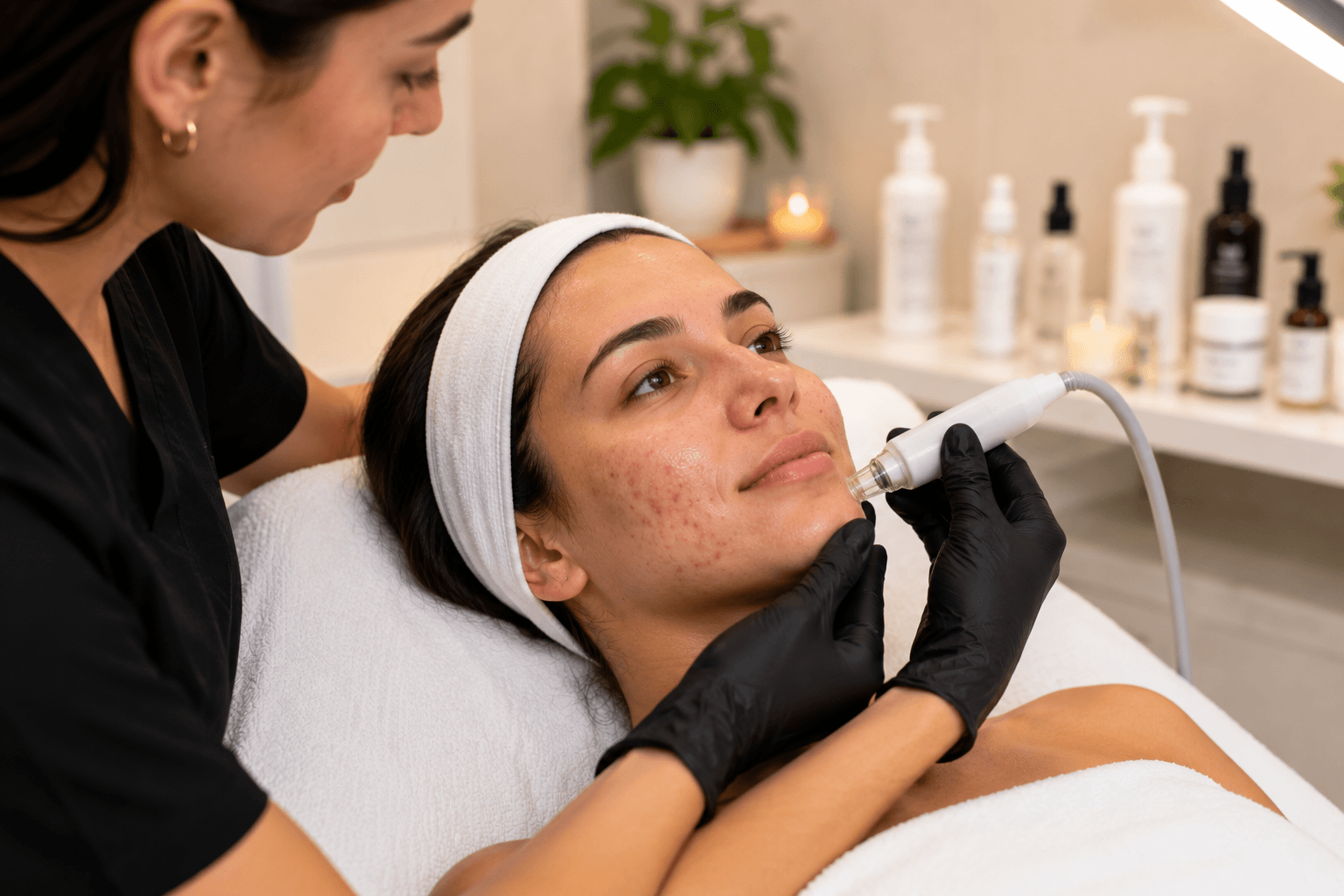
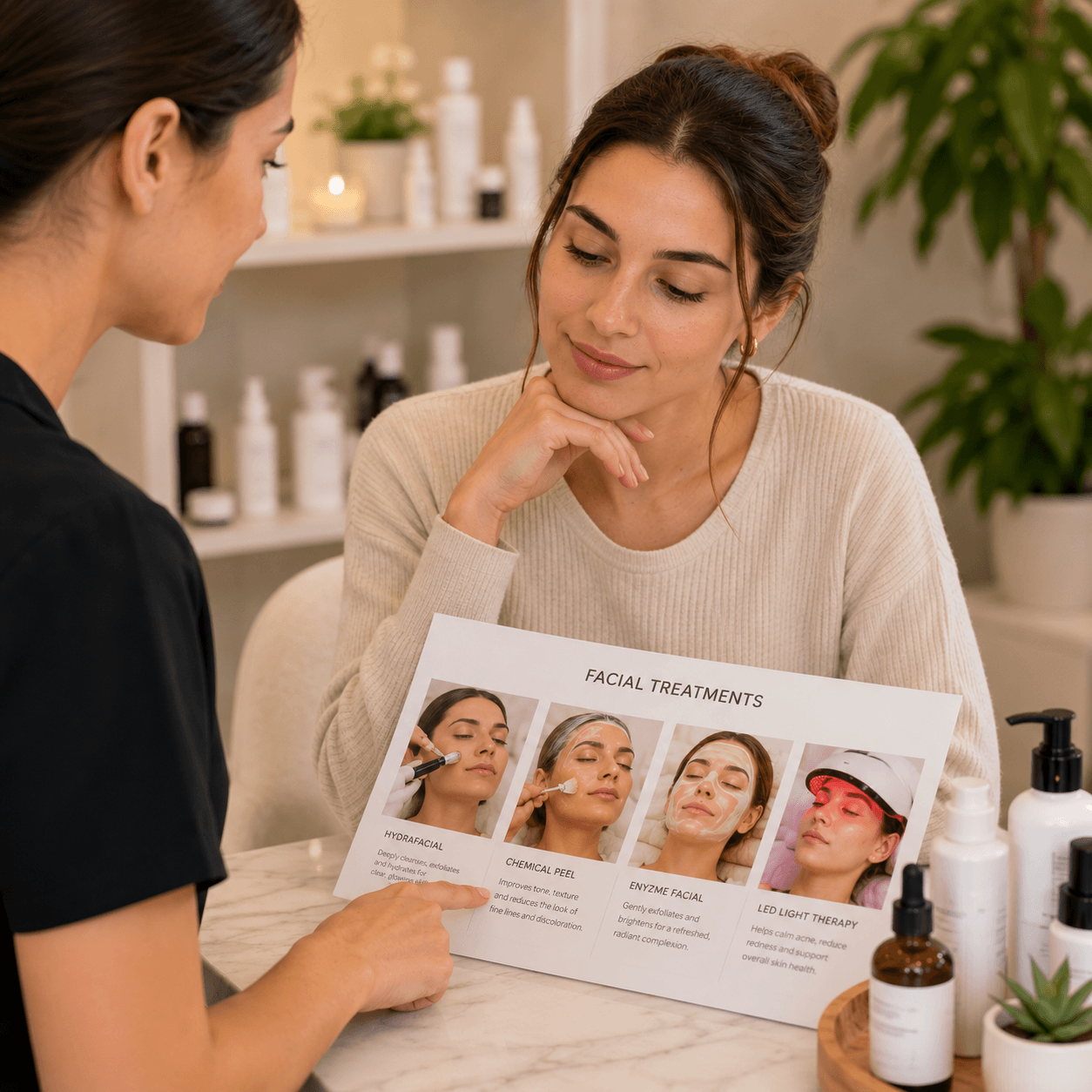
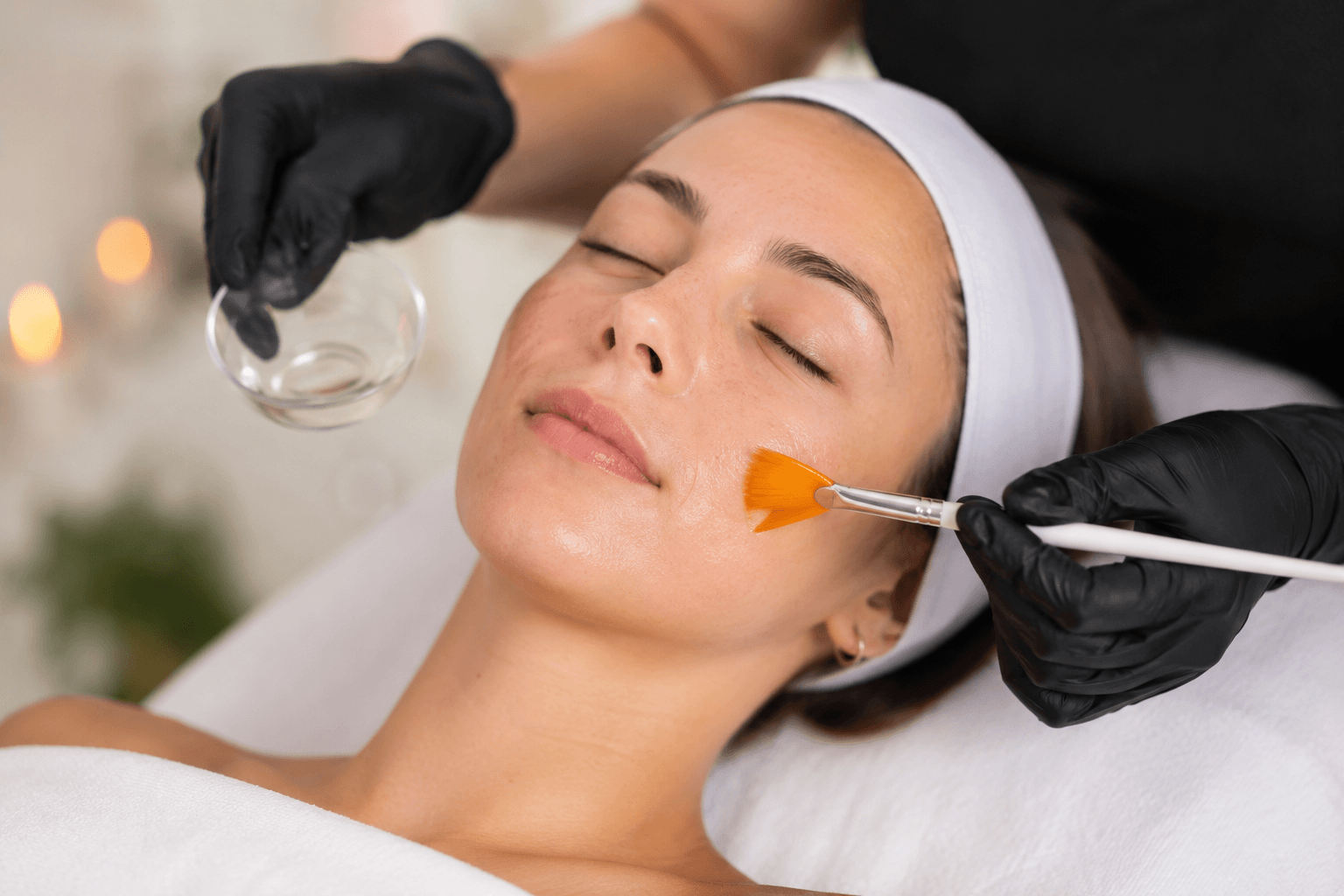
Professional chemical peels are the go-to options at Glow On Studios for post-acne marks and uneven tone. Both the Resurfacing Chemical Peel and BioRePeel are designed to help fade the look of discoloration through controlled, surface-level exfoliation.
Resurfacing Chemical Peel
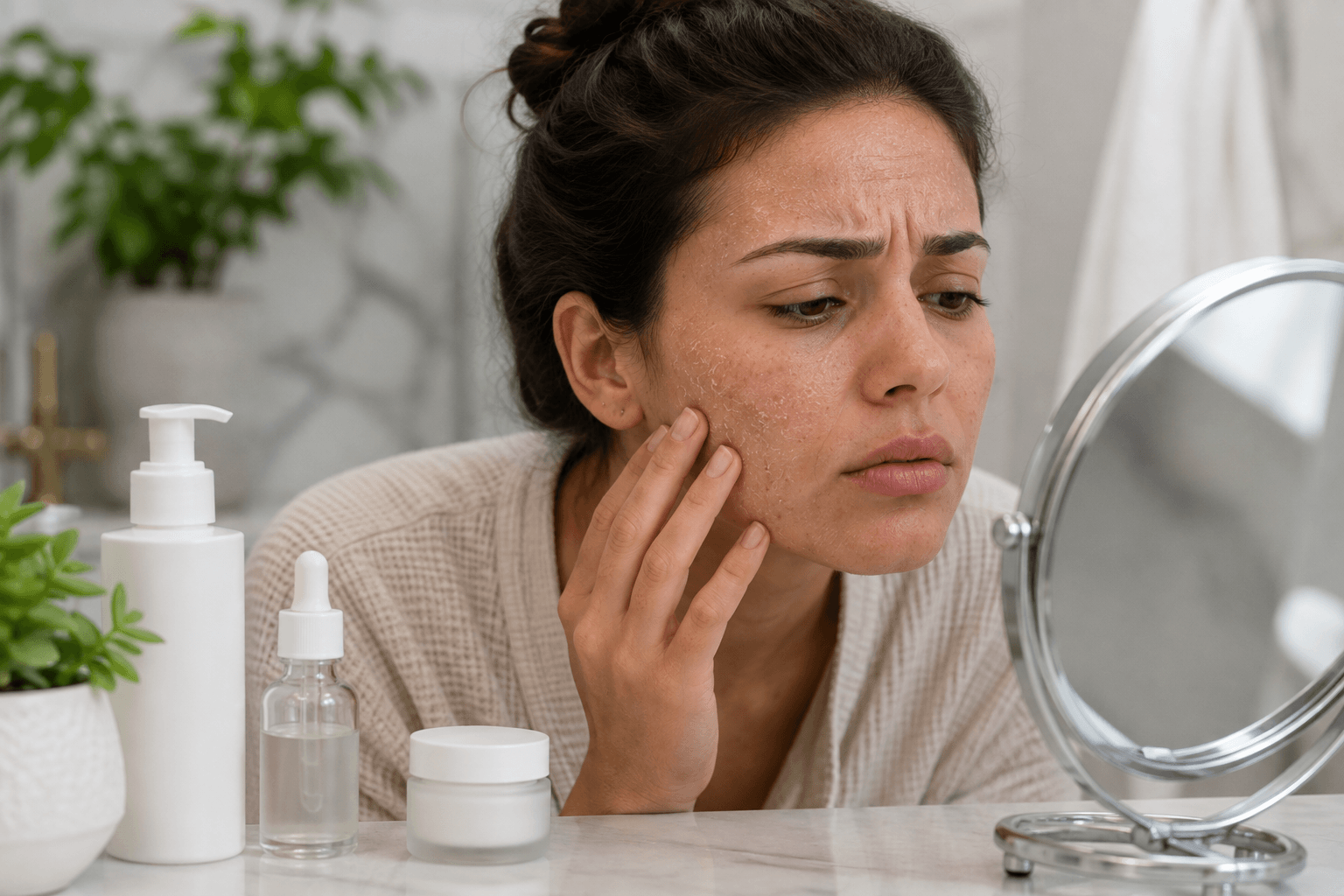
The Resurfacing Chemical Peel is tailored to your skin's current needs and targets post-acne marks, discoloration, sun damage, and uneven tone. Expect possible redness, dryness, or light flaking for a few days afterward.
BioRePeel
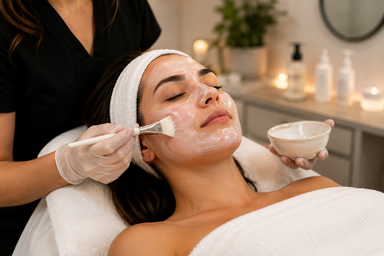
BioRePeel is a TCA-based peel that combines exfoliating acids with amino acids and vitamins. It targets post-acne marks, lingering discoloration, and uneven texture with zero to minimal downtime, which makes it a popular choice for students and anyone who does not want visible peeling.
Supporting treatments
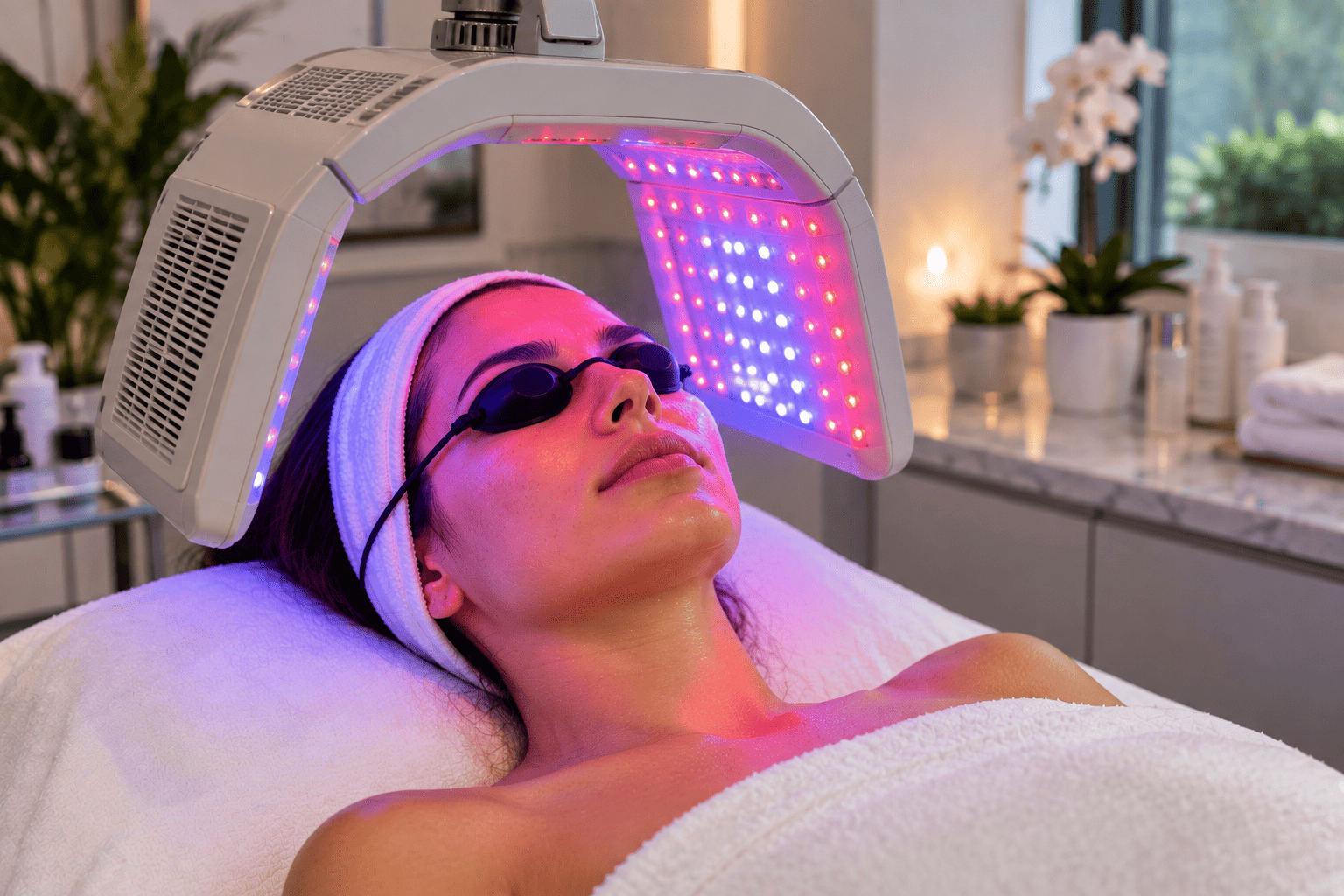
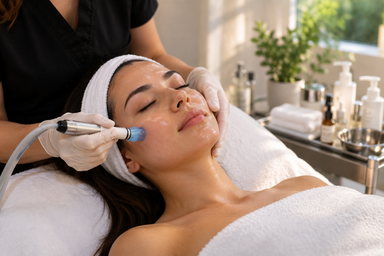
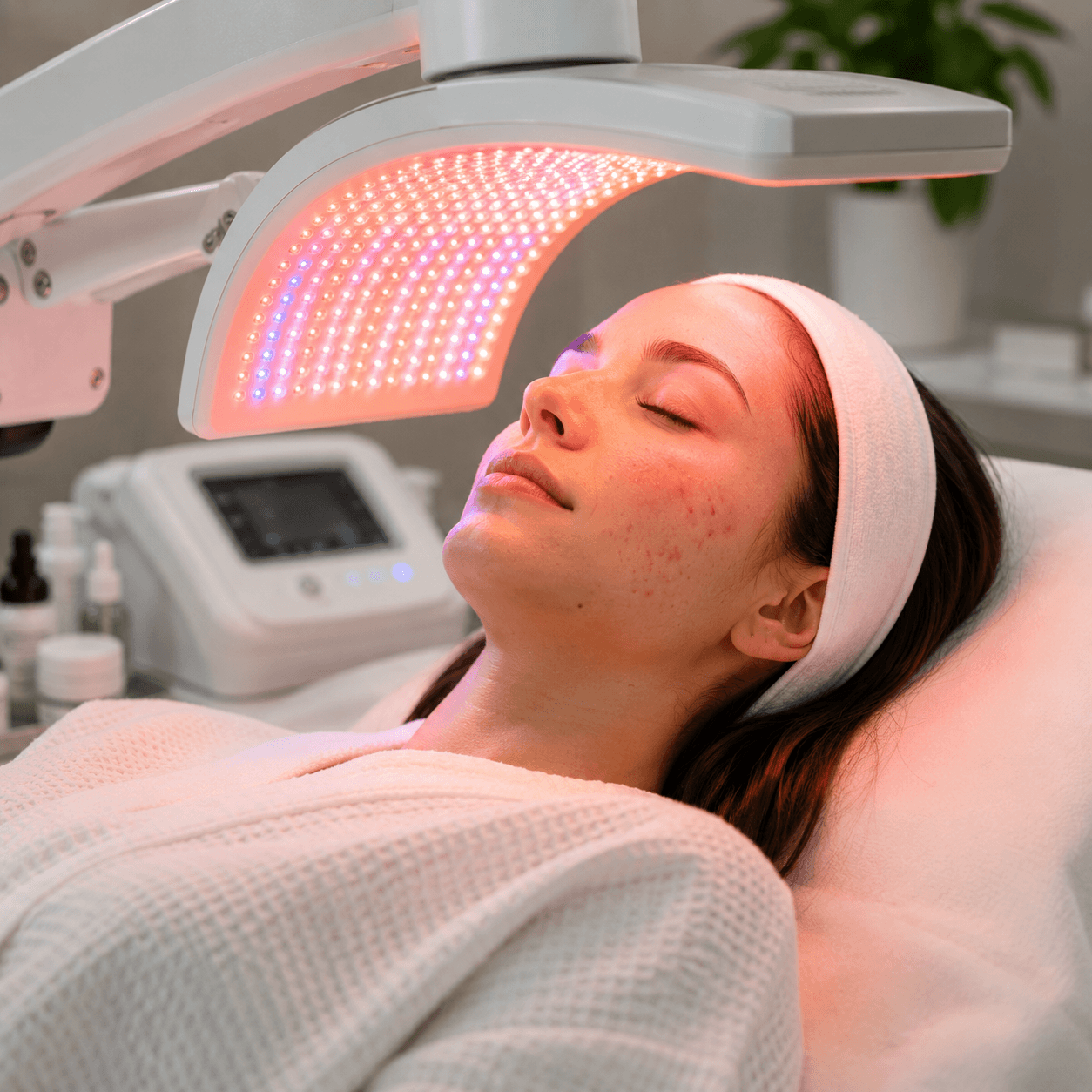
For skin that is still breaking out, LED Light Therapy may support clearer-looking skin and help calm the look of redness, so fewer new marks form. A customized home care regimen ties everything together between appointments.
Both peels require a consultation and a home care regimen first. You can view all options on the service menu.
What If You Have True Textural Acne Scars?
For shallow texture, a series of professional peels can help soften the look of uneven skin. For deep, pitted, or ice pick scars, surface-level peels have limited effect, and a board-certified dermatologist can discuss medical options.
Treatments like laser resurfacing and microneedling are often discussed for deeper scarring, and a dermatologist can help you decide if those are appropriate. At Glow On, the focus is on improving the look of texture and discoloration with professional peels and home care, with honest expectations about what surface treatments can and cannot do.
How Can You Keep Dark Marks From Coming Back?
Prevent new marks by treating breakouts early, avoiding picking, and wearing broad-spectrum sunscreen every day. Sun protection is the single most important habit for fading hyperpigmentation and keeping it from returning.
Avoid excess sun for two weeks after any chemical peel, and reapply sunscreen when you are outdoors along the American River Parkway or at weekend events around Sacramento. Glow On carries Colorescience mineral sunscreen, which you can explore in the shop.
Frequently Asked Questions About Hyperpigmentation Treatment in Sacramento
Are post-acne marks permanent?
Most flat post-acne marks fade over time, especially with sun protection and professional treatment. Deeper discoloration can take longer.
What is the best hyperpigmentation treatment for acne marks?
Professional peels such as the Resurfacing Chemical Peel and BioRePeel are effective options for fading the look of post-acne marks, paired with daily sunscreen and consistent home care.
How can I tell if I have an acne scar or a dark spot?
Run your finger over it. A flat, smooth spot is usually hyperpigmentation. A dip or uneven texture is more likely a scar.
How many peels will I need to fade dark marks?
Most people need a series of peels spaced over time. Your esthetician will recommend a plan after your consultation.
Can I treat dark spots while I still have acne?
Yes. Treating active breakouts and fading existing marks at the same time often gives the best results.
Should I see a dermatologist for dark spots?
See a dermatologist if a spot changes in size, shape, or color, bleeds, or appears suddenly, or if you have deep scarring or severe acne.
Spot the Difference, Then Fade It
Not every mark is a scar, and not every scar is hopeless. Once you know what you are working with, you can choose the right treatment, protect your skin from the sun, and give your skin the time it needs to even out.
Book a consultation at Glow On Studios, 11230 Gold Express Drive in Gold River, just outside Sacramento. Schedule online or get in touch. Your glow is waiting.