Updated July 2026
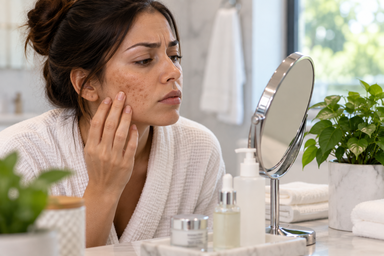
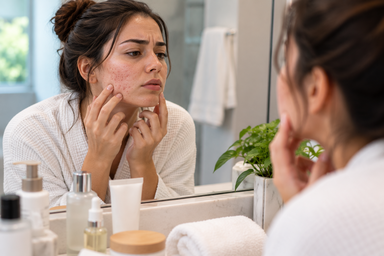
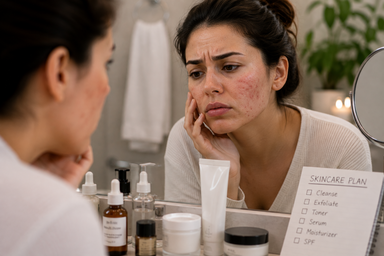
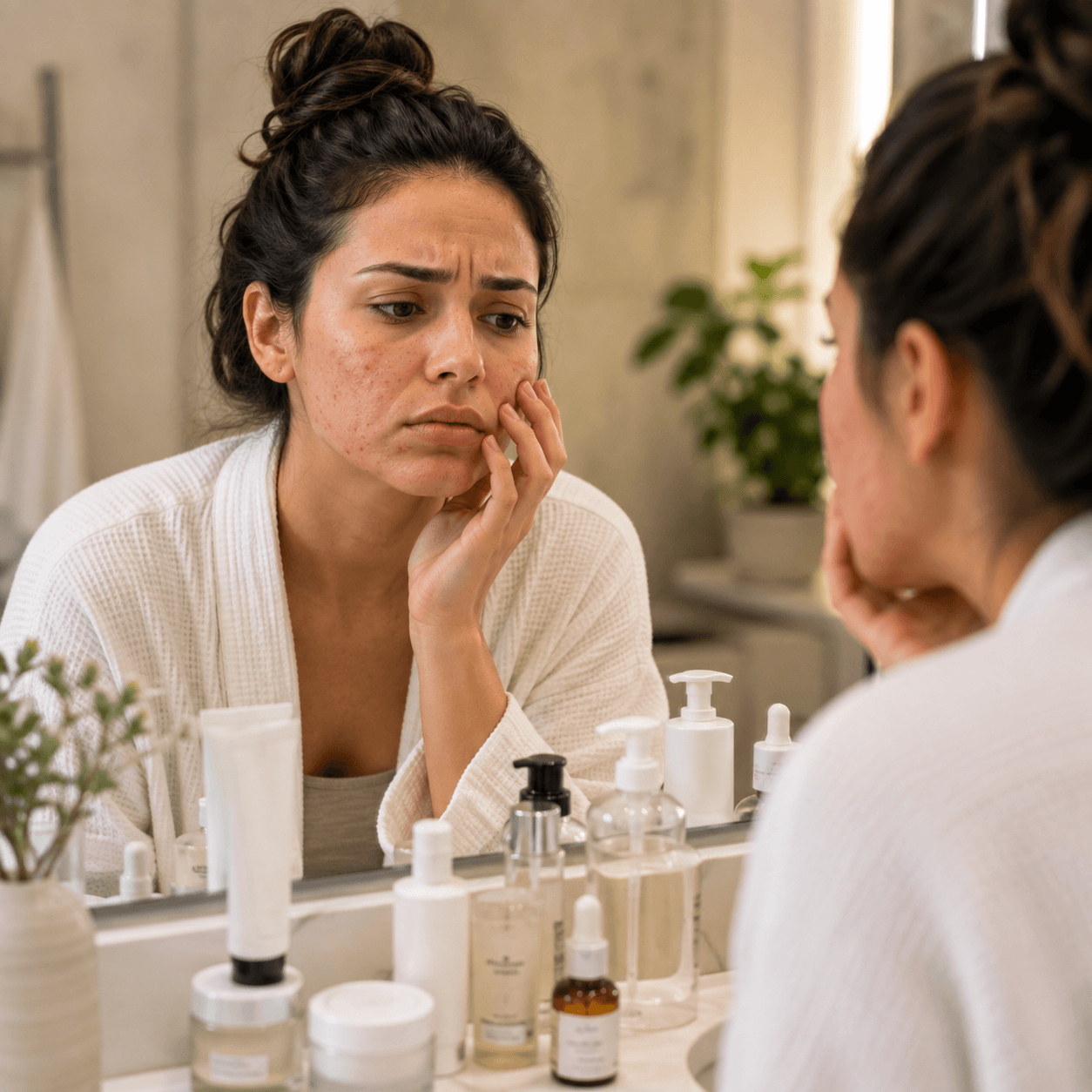
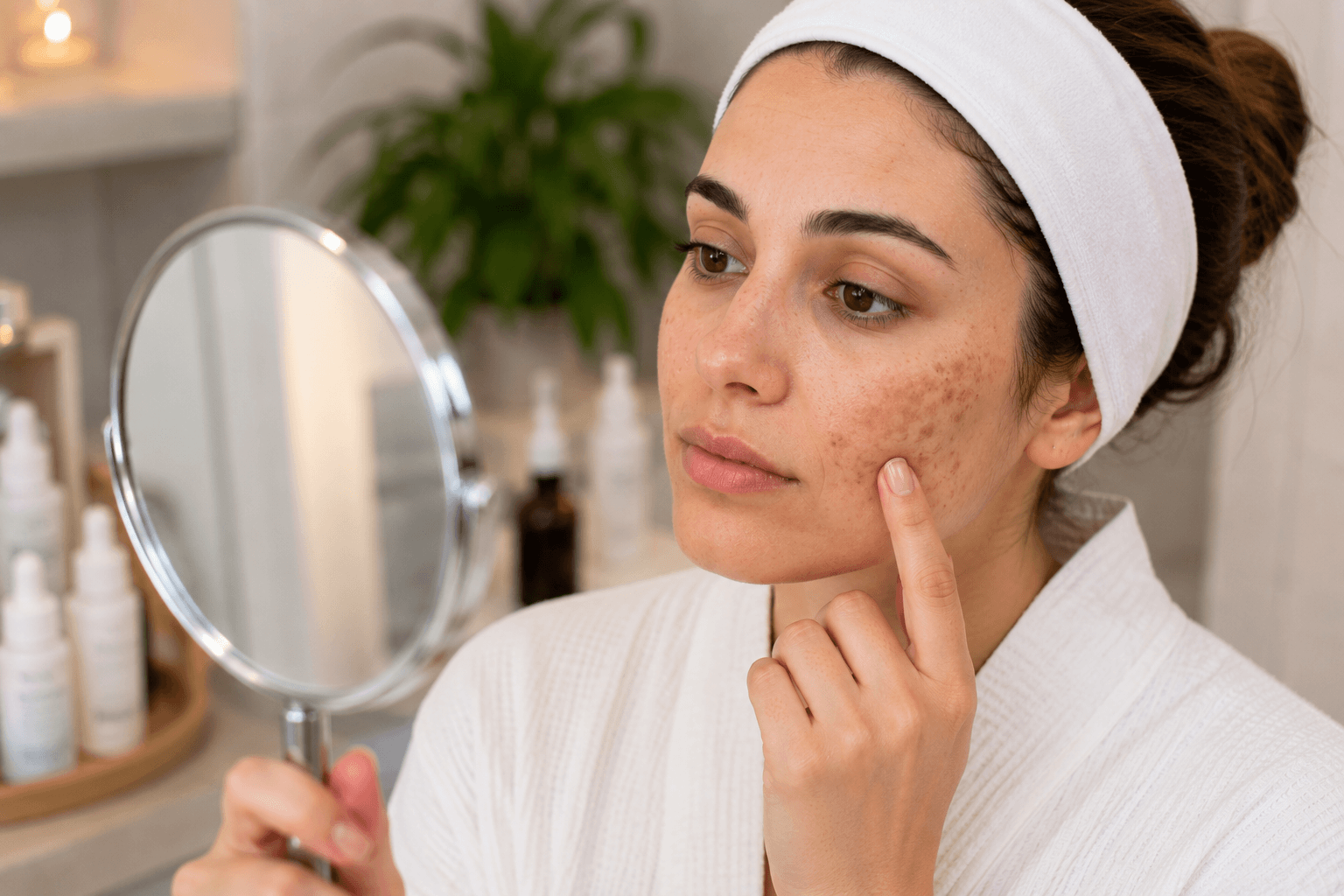
If your skin has been looking a little dull, uneven, or tired lately, you are not alone. It is one of the most common concerns we hear from clients here in Gold River, and it is exactly the kind of issue a chemical peel was designed to fix. But if you have never had one before, the idea of putting an acid solution on your face can sound intimidating.
The truth is, a professional chemical peel is one of the most effective, controlled, and low-downtime ways to refresh your skin. This guide breaks down everything you need to know, from what actually happens during your appointment to how to care for your skin afterward, so you can walk in feeling confident instead of nervous.
What Is a Chemical Peel, Exactly?
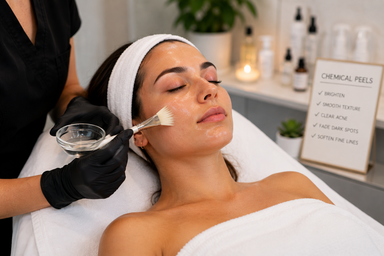
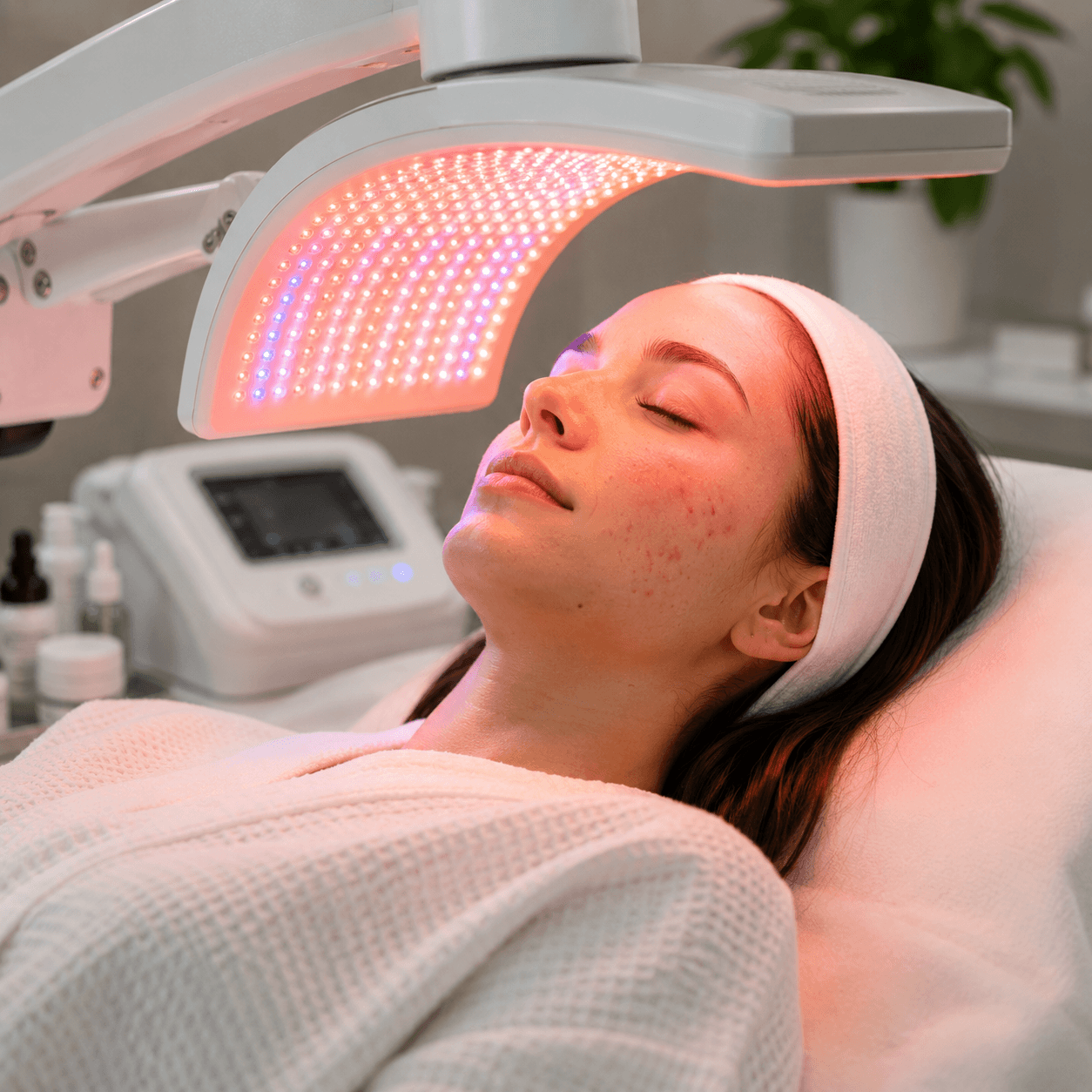
A chemical peel is a professional skin treatment that uses a specially formulated acid solution to gently exfoliate the outer layers of the skin. As those older, damaged skin cells shed away, fresher and more even-toned skin is revealed underneath.
Peels are typically categorized by strength:
Light (Superficial) Peels
These target the outermost layer of skin and are great for a quick refresh with virtually no downtime.
Medium Peels
These reach a bit deeper and are often used to address more noticeable texture or tone concerns.
Deep Peels
Reserved for more significant concerns, these require more recovery time and are usually done under closer supervision.
At a studio setting like ours, treatments are customized to your specific skin type and goals rather than a one-size-fits-all approach.
What Skin Concerns Can a Chemical Peel Help With?
People often assume peels are only for acne-prone skin, but they can actually help with a wide range of concerns, including:
- Uneven skin tone and texture
- Dullness and lack of radiance
- Fine lines
- Enlarged pores
- Mild breakouts
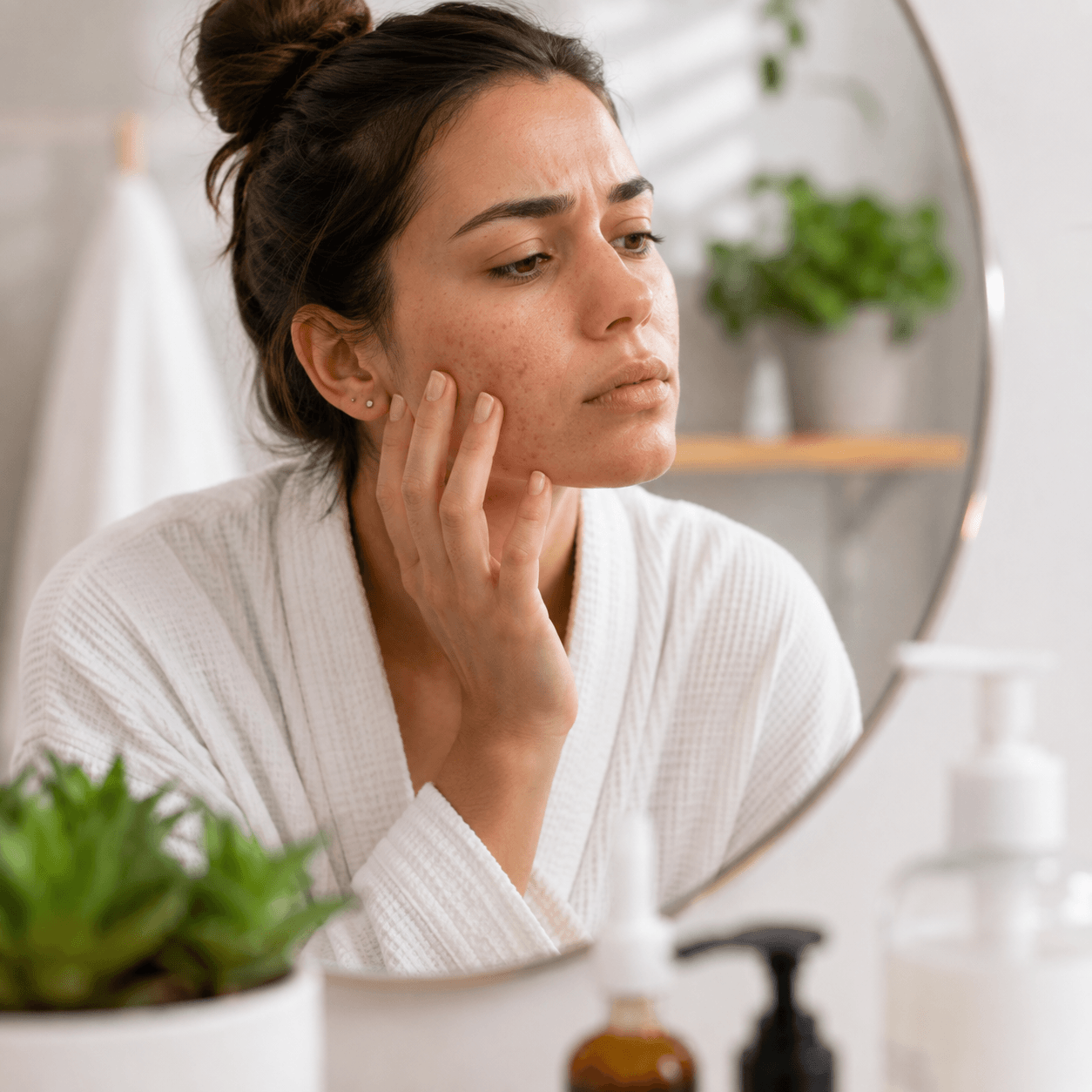
- Hyperpigmentation and sun damage
If dark spots or uneven pigmentation are your main concern, a peel can be paired with an ongoing hyperpigmentation treatment plan for more dramatic, longer-lasting results.
What Happens During a Chemical Peel Appointment?
Here is a general idea of what to expect:
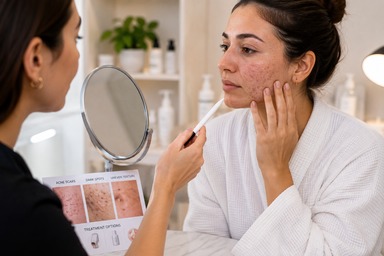
- Skin analysis and consultation. Your esthetician will assess your skin type, concerns, and history to determine the right peel strength for you.
- Cleansing. Your skin is thoroughly cleansed to remove oil, makeup, and debris.
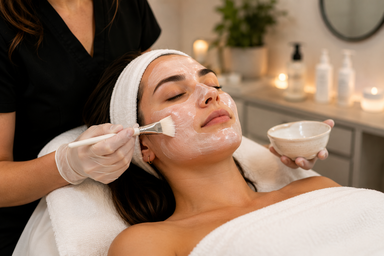
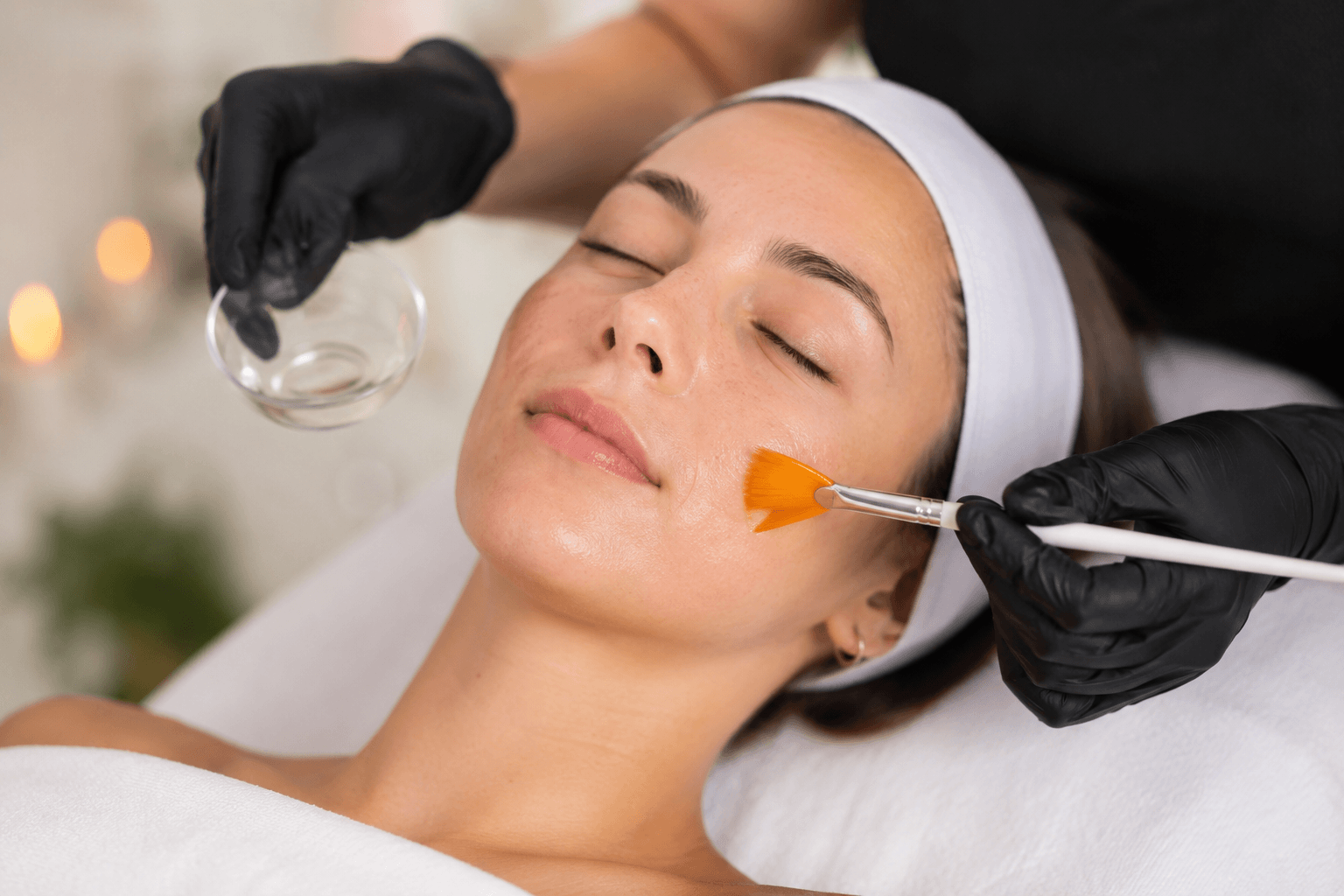
- Application. The peel solution is applied evenly and left on for a specific amount of time depending on the formula and your skin's tolerance.
- Neutralization or removal. Depending on the type of peel, it is either neutralized or simply left to work.
- Soothing and protection. A calming serum and SPF are applied to protect freshly treated skin.
Most appointments take under an hour, which makes it easy to fit into a lunch break or a morning before errands around Gold River.
Is a Chemical Peel Painful?
Most clients describe the sensation as mild tingling, warmth, or slight stinging, especially during the first few minutes. It is generally very tolerable, and your esthetician will check in with you throughout the treatment to make sure you are comfortable.
What Does Recovery Look Like?
This depends on the depth of the peel:
- Light peels: minimal redness for a few hours, and you can typically return to normal activities right away.
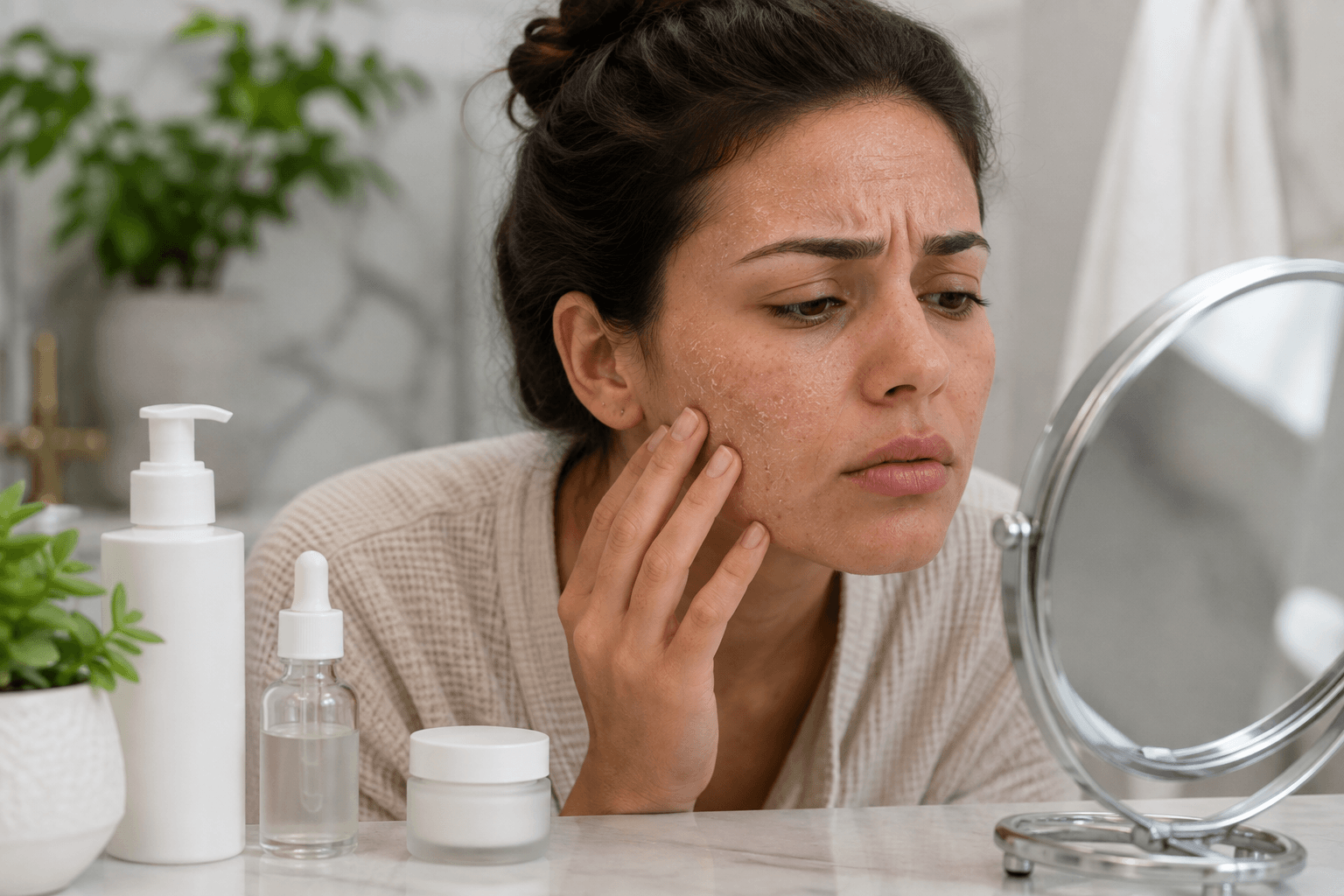
- Medium peels: some visible peeling or flaking for a few days as the skin renews itself.
- Deep peels: more noticeable downtime, often lasting a week or more.
During recovery, it is important to avoid picking at flaking skin, skip harsh exfoliants, and wear SPF daily. New skin is more vulnerable to sun damage, so sunscreen is non-negotiable, especially with our Sacramento-area sunshine.
How Many Chemical Peel Sessions Do You Need?
For maintenance and glow, a single peel can do wonders. But for more targeted concerns like acne scarring or stubborn hyperpigmentation, a series of peels spaced a few weeks apart typically produces the best, most consistent results. Your esthetician can build a custom plan based on how your skin responds.
Chemical Peels vs. Other Exfoliating Treatments
It is common to wonder how a chemical peel compares to other popular treatments like dermaplaning or a HydraFacial. Here is a simple way to think about it:
- Chemical peels use acids to exfoliate at a chemical level and can be adjusted in strength for deeper results.
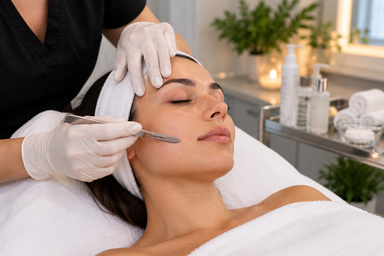
- Dermaplaning physically removes dead skin and peach fuzz using a blade, offering instant smoothness with zero downtime.
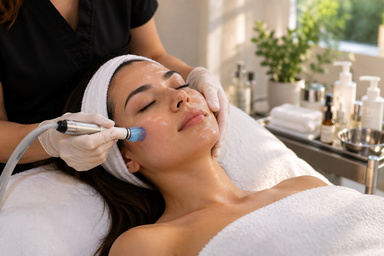
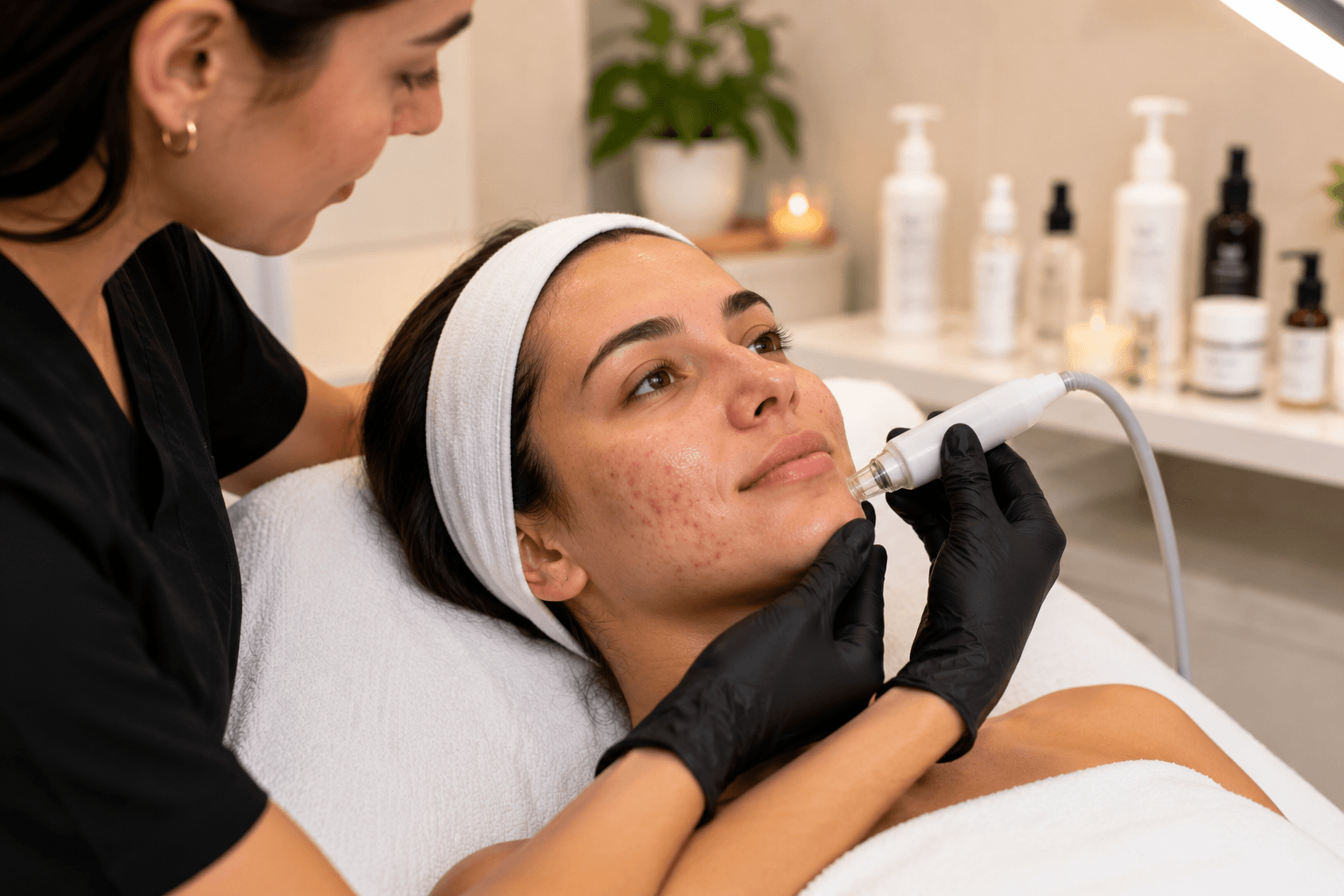
- HydraFacial combines cleansing, exfoliation, and hydration in one machine-based treatment, ideal for an all-in-one refresh.
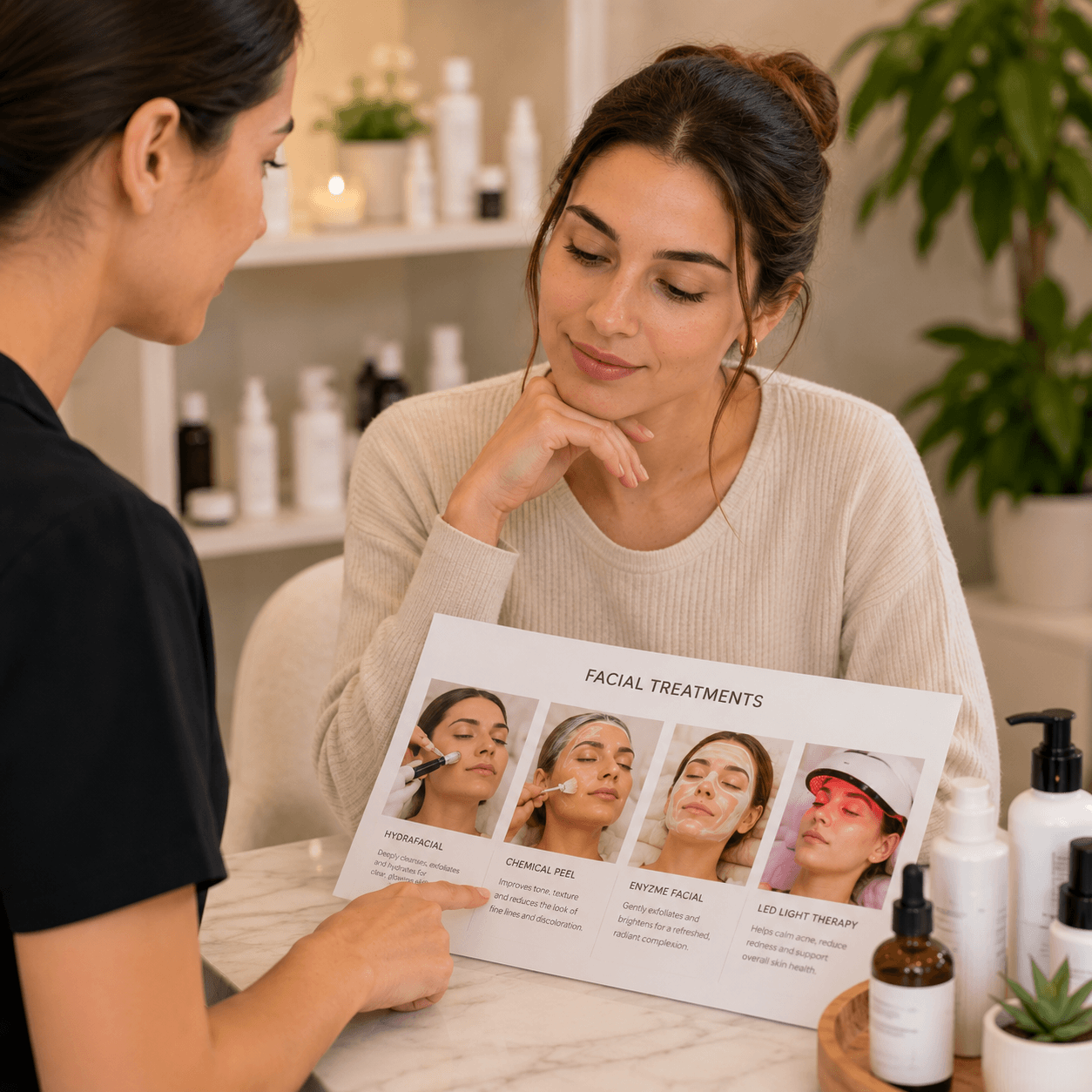
Many clients actually combine these treatments over time as part of a broader skincare routine. If you are unsure which is right for you, our team can walk you through your options during a consultation. You can browse our full list of treatments on our services page.
Who Should Avoid Chemical Peels?
Chemical peels are not recommended for everyone. You may need to wait or choose an alternative treatment if you:
- Are currently pregnant or breastfeeding
- Have an active skin infection or open wounds
- Have recently used certain prescription retinoids or isotretinoin
- Have a history of keloid scarring
Always disclose your full skin and medical history during your consultation so your esthetician can recommend the safest option for you.
Why Choose a Professional Chemical Peel Over an At-Home Kit?
At-home peel kits are widely available, but they come with real risks. Over-the-counter formulas are far less concentrated and precise, which means:
- Results are usually minimal compared to professional-grade peels
- There is a higher risk of uneven application or skin damage
- There is no professional guidance if your skin reacts poorly
A licensed esthetician can assess your skin in person, choose the right peel strength, and adjust treatment as your skin improves, something no at-home kit can replicate.
Finding the Right Studio in Gold River and Sacramento
If you are searching for where to get a chemical peel near Gold River or Sacramento, look for a studio that prioritizes personalized consultations over generic, one-size-fits-all treatments. Every skin type reacts differently, and the right studio should take the time to understand your goals, whether that is smoother texture, fewer breakouts, or fading pigmentation.
To see real results from past clients, take a look through our gallery, or explore our full range of treatments on the homepage.
Your Skin's Glow Up Starts Here
There is no need to guess your way through skincare or settle for dull, uneven skin. A professional chemical peel offers a safe, effective way to reveal brighter, smoother skin, and with the right guidance, you can build a treatment plan that actually fits your skin's needs.
Ready to see what a customized peel could do for your skin? Book your consultation today and let's create a plan that works for you.
Frequently Asked Questions
How long do chemical peel results last?
Results vary depending on peel strength and your skincare routine at home, but many clients enjoy smoother, brighter skin for several weeks to a few months after treatment.
Can I wear makeup after a chemical peel?
It is best to avoid makeup for at least 24 hours after your chemical peel to allow your skin to breathe and recover properly.
Does a chemical peel help with acne scars?
Yes, peels can help improve the appearance of certain types of acne scarring over time, especially when combined with a broader acne treatment plan.
Is a chemical peel safe for sensitive skin?
Yes, with the right formula and strength. A consultation helps determine which peel option is gentle enough for sensitive or reactive skin types.
How soon will I see results after a chemical peel?
Many clients notice smoother texture and a brighter complexion within a few days as peeling completes and new skin surfaces.
.svg)
.svg)
.svg)