Updated July 2026
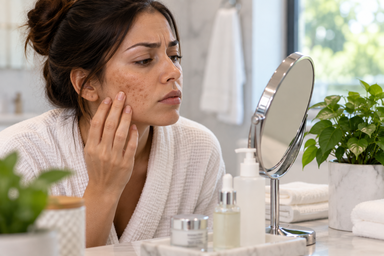
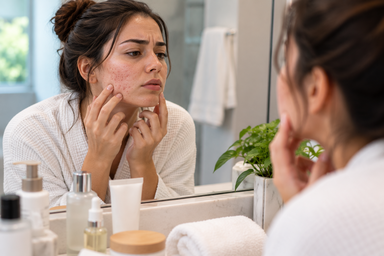
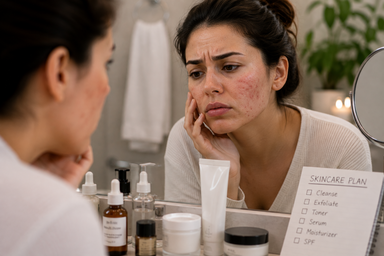
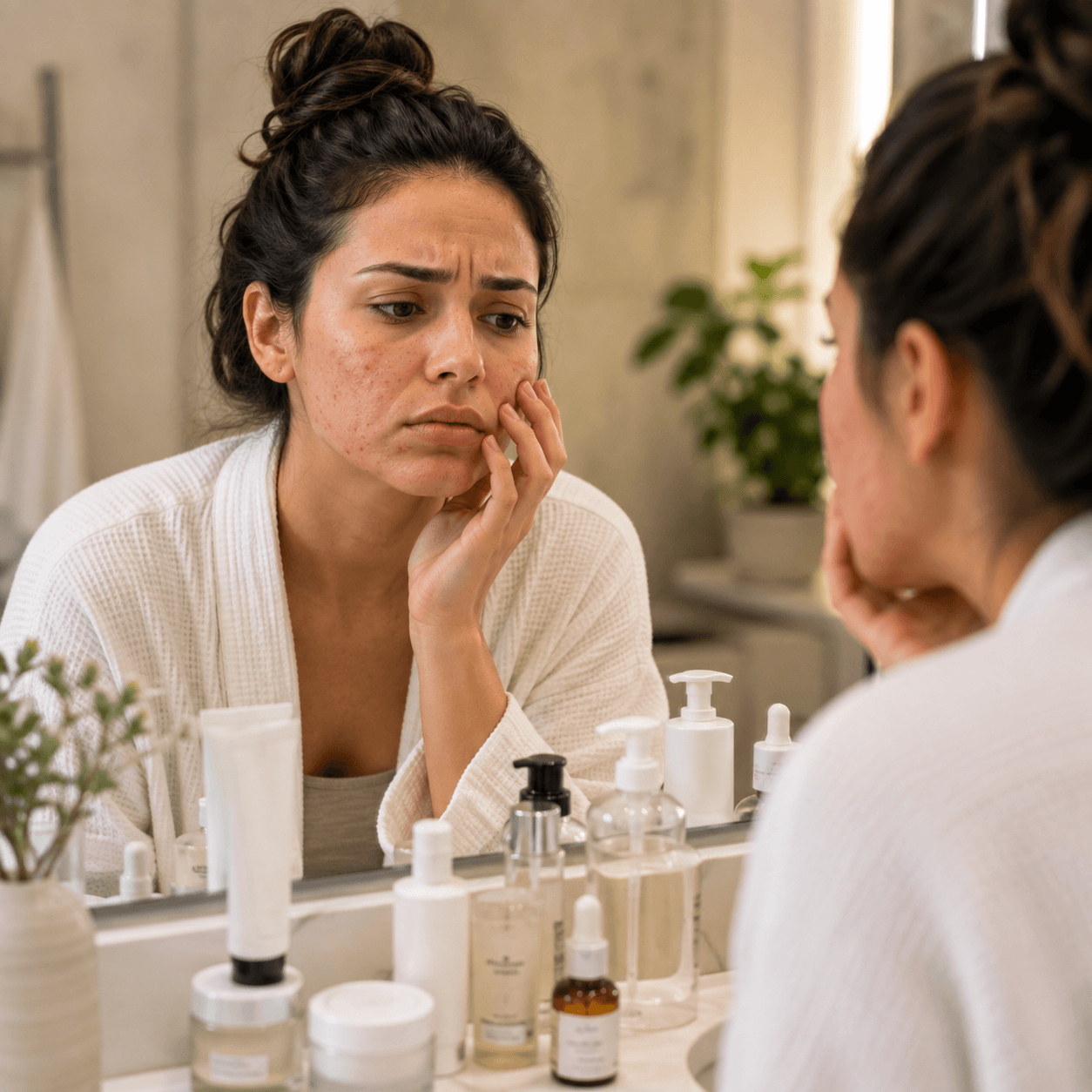
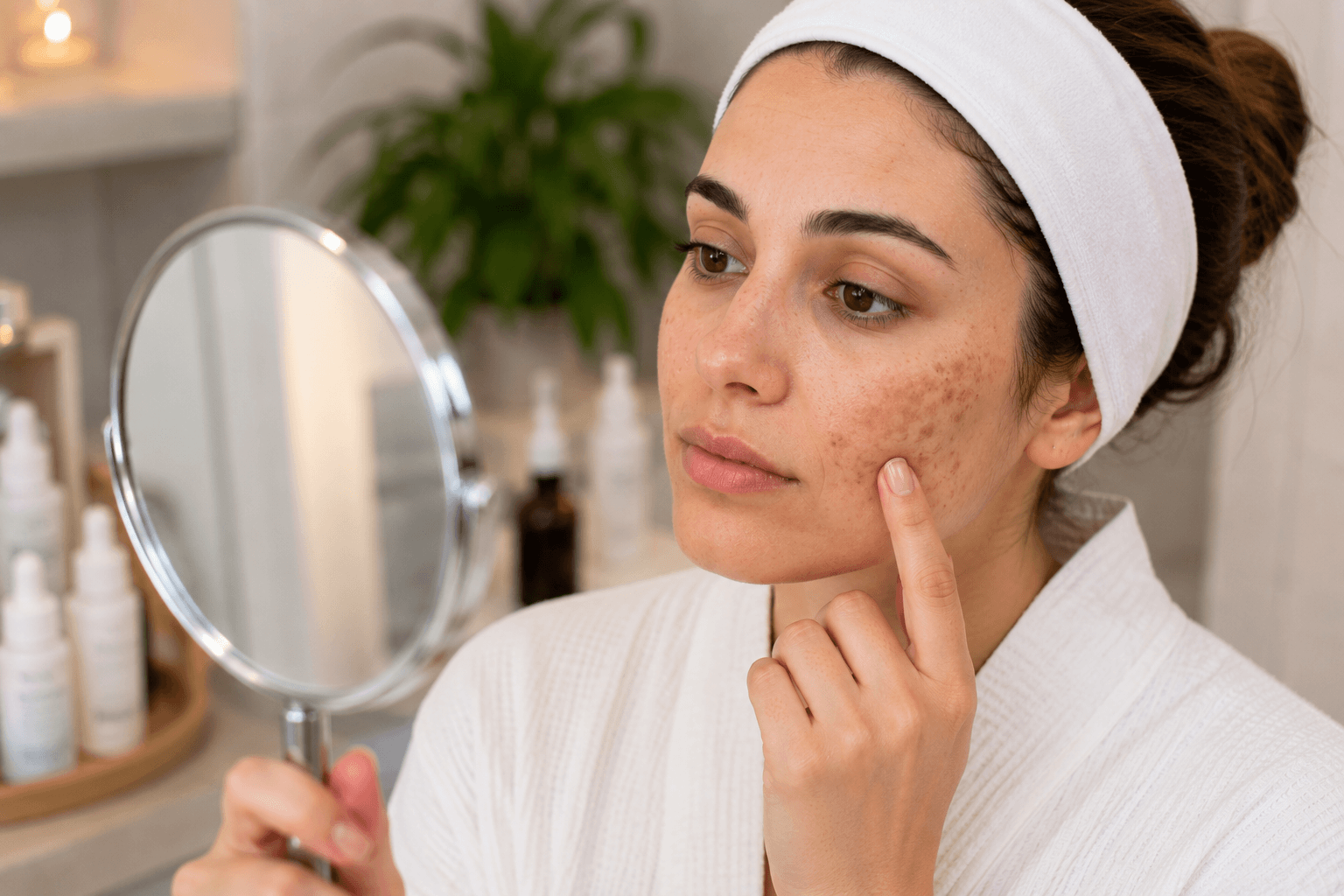
Dealing with breakouts as an adult can feel especially frustrating, particularly when you have already tried a shelf full of over-the-counter products with little to show for it. If this sounds familiar, you are far from alone. Adult acne is one of the most common skin concerns we see, and the encouraging news is that a professional acne treatment plan can make a real difference when at-home products fall short.
This guide breaks down what actually causes persistent breakouts, what professional treatment looks like, and how to build a plan that finally gets your skin under control.
Why At-Home Products Often Are Not Enough
Most drugstore acne products are formulated to be mild and safe for a broad audience, which unfortunately means they are often too weak to address moderate to stubborn breakouts. On top of that, without a real understanding of your skin type and the underlying cause of your acne, it is easy to use the wrong products entirely, sometimes making things worse instead of better.
A professional acne treatment approach starts with actually identifying what is driving your breakouts, whether that is excess oil production, clogged pores, hormonal fluctuations, or a compromised skin barrier.
Common Causes of Adult Acne
- Hormonal changes, especially around the menstrual cycle
- Stress, which can increase oil production
- Clogged pores from makeup, sunscreen, or skincare products
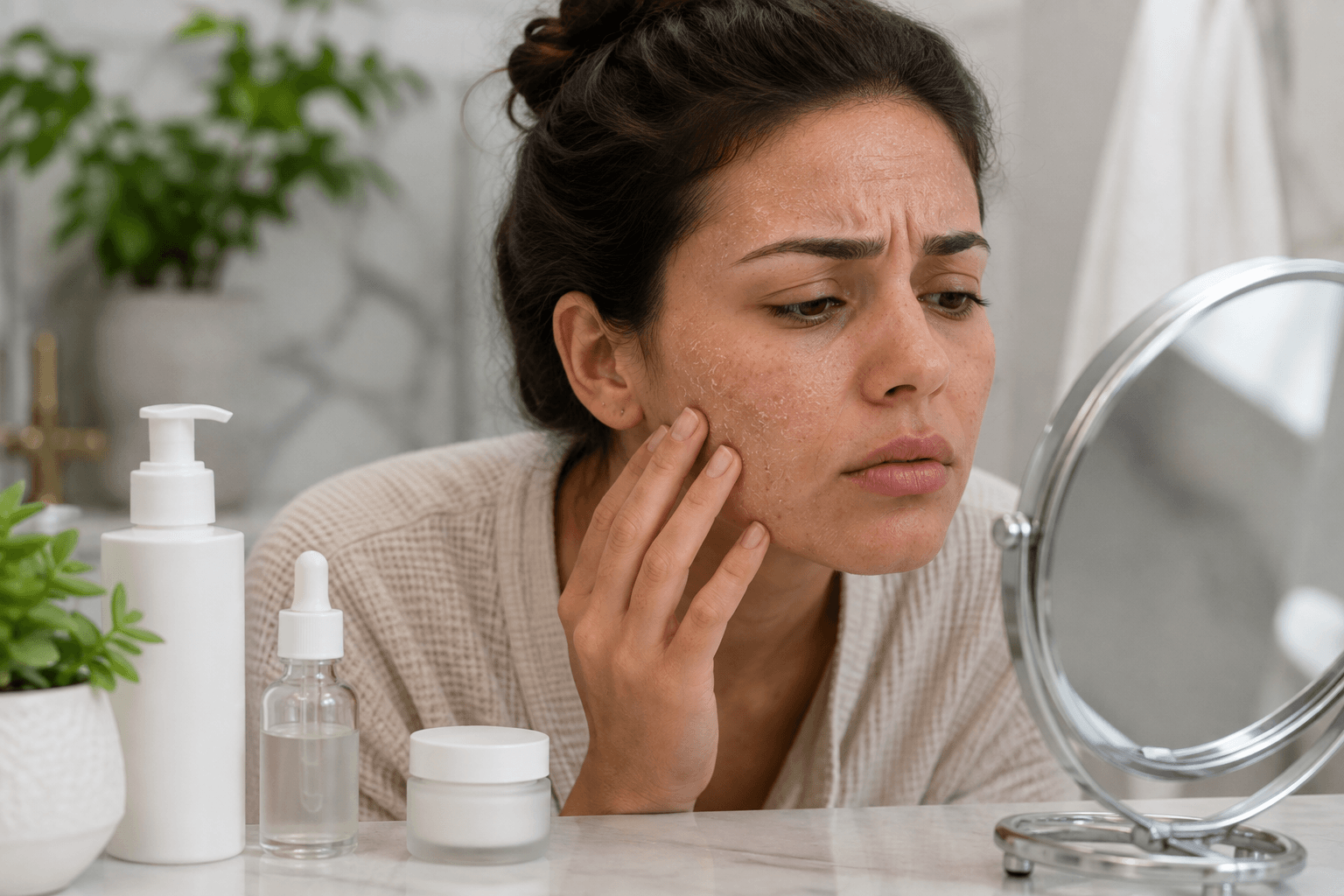
- An imbalanced skin barrier from over-exfoliating or harsh products
- Diet and lifestyle factors
- Genetics
Understanding your specific trigger helps determine the most effective treatment path, which is why a proper consultation matters so much before starting any acne program.
What Does Professional Acne Treatment Involve?
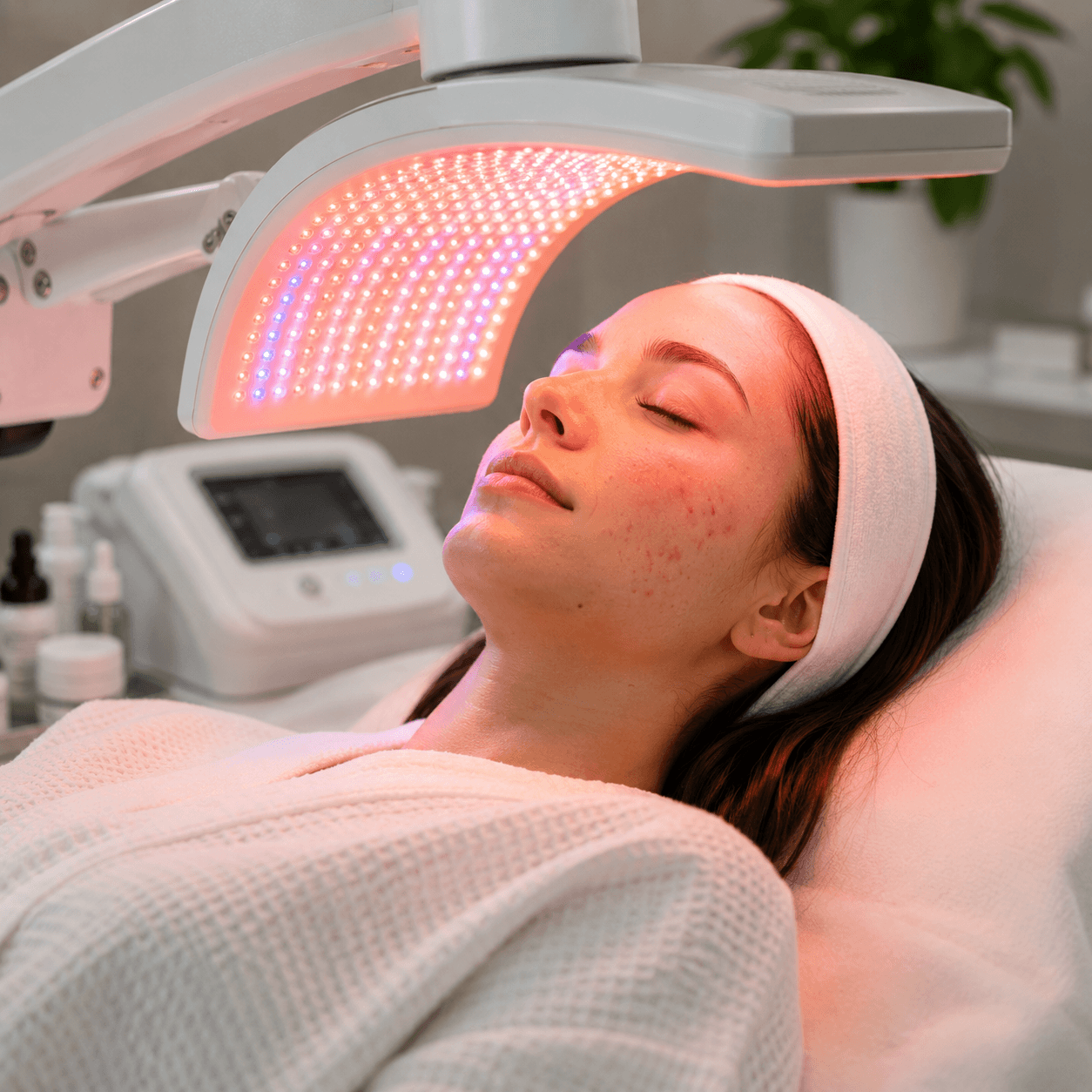
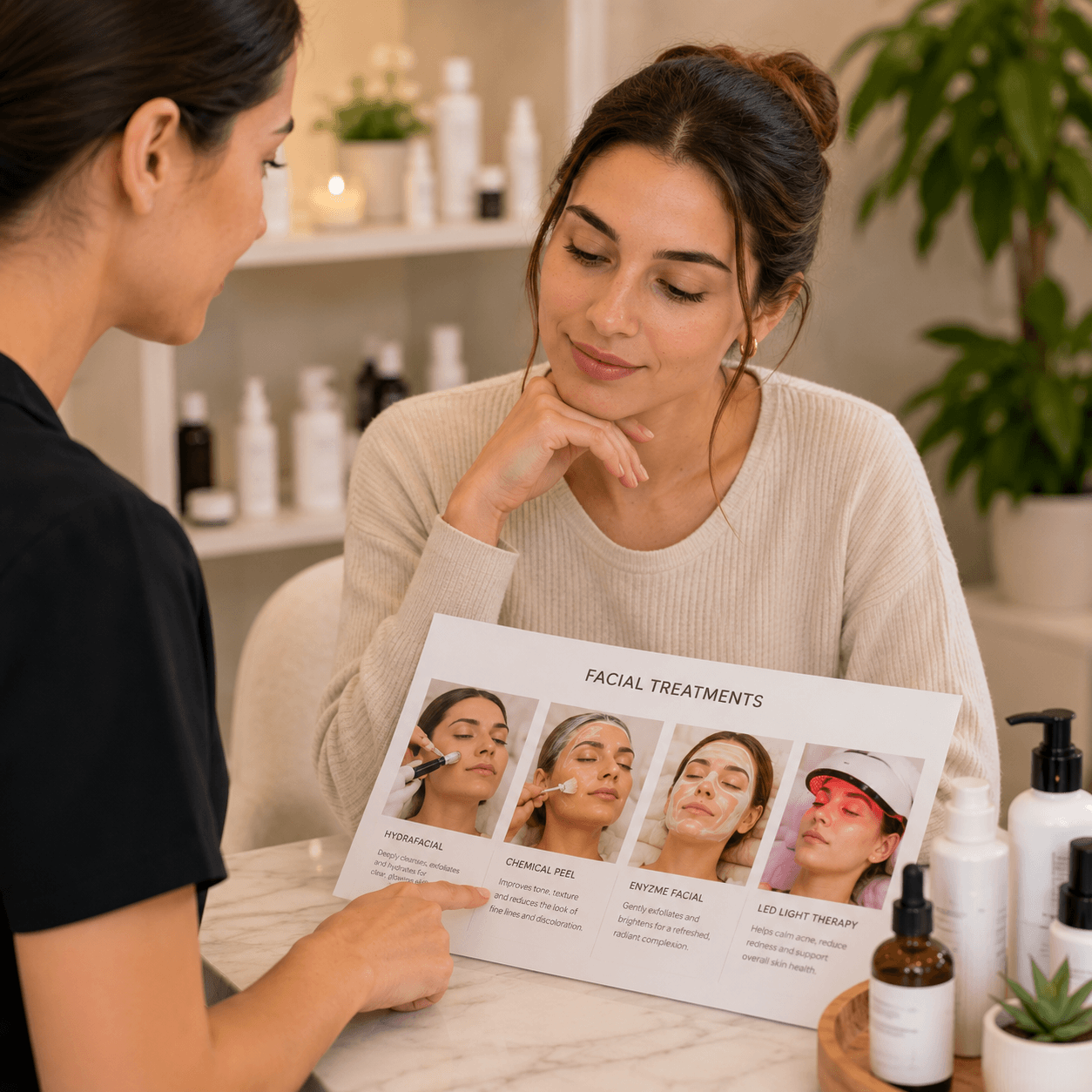
A tailored acne treatment plan often includes a combination of the following:
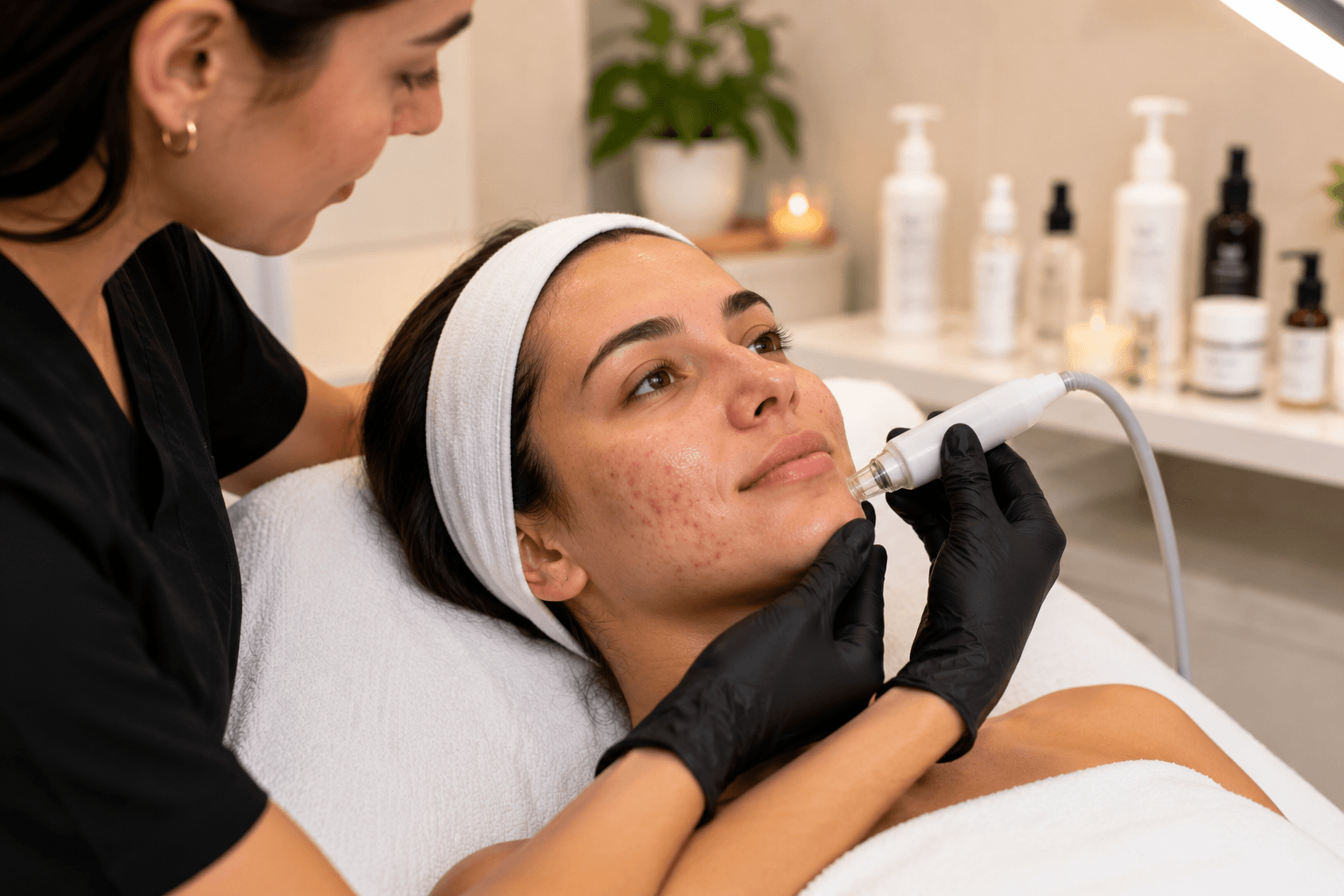
Deep Cleansing Facials
Focused on gentle extractions and oil control to clear congestion without over-stripping the skin.
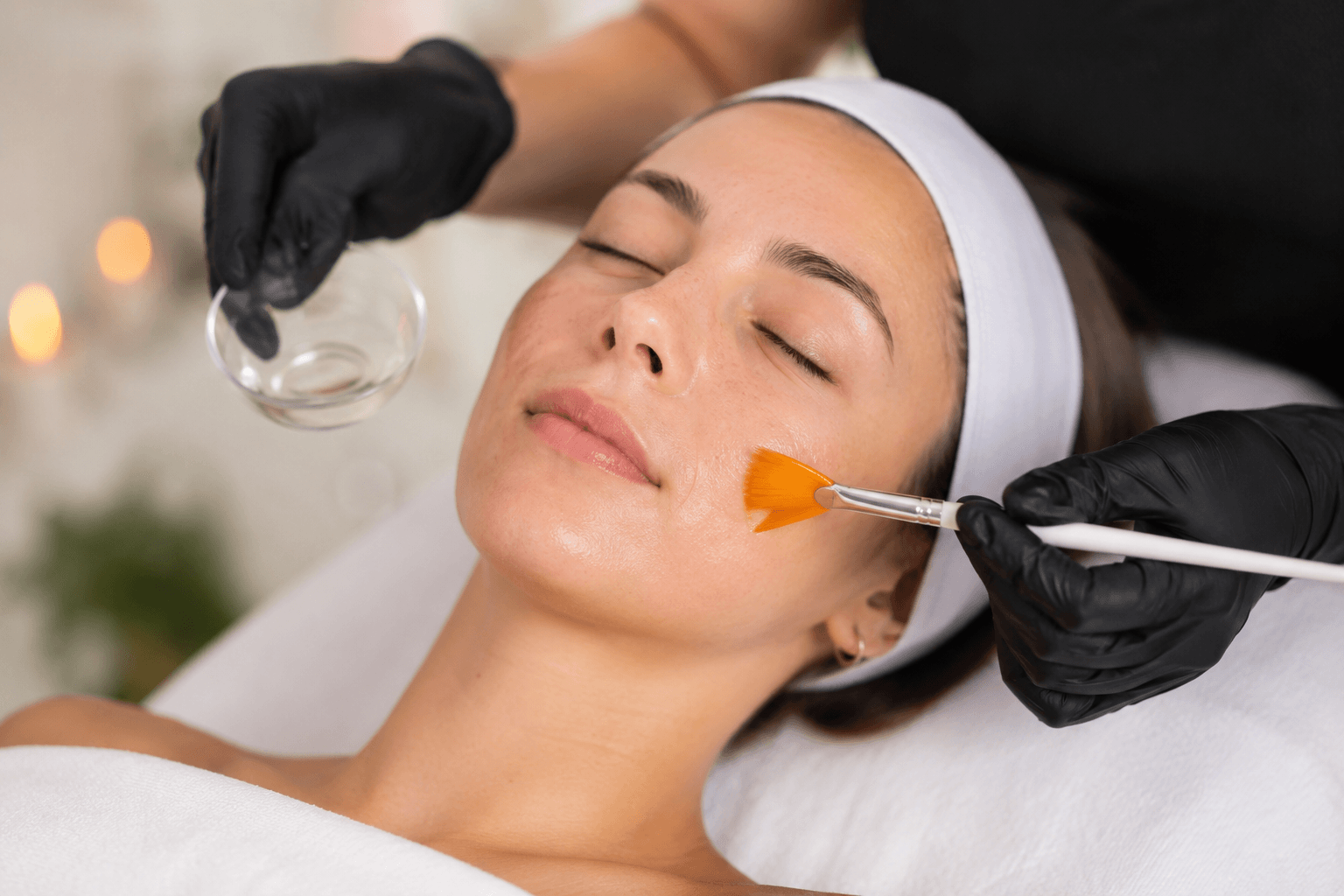
Chemical Peels
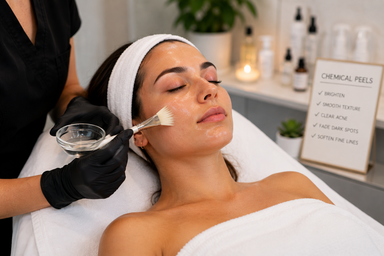
A chemical peel can help resurface skin, unclog pores, and fade some post-acne marks over time by encouraging cell turnover.
At-Home Product Recommendations
Your esthetician may recommend specific professional-grade products to support your in-studio treatments between appointments.
Consistent Treatment Series
Acne rarely resolves in a single session. A series of appointments, spaced appropriately, allows your skin to steadily improve while minimizing irritation.
What Happens During an Acne Treatment Appointment?
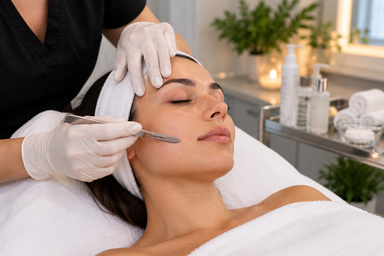
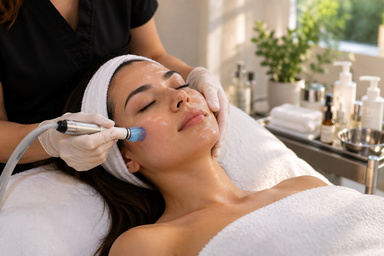
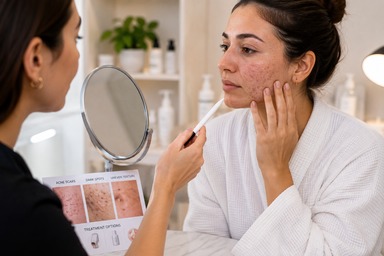
- Skin analysis. Your esthetician examines your skin closely to determine breakout type, severity, and likely triggers.
- Cleansing. A thorough cleanse removes oil, debris, and surface bacteria.
- Exfoliation. Gentle exfoliation helps clear dead skin cells that contribute to clogged pores.
- Extractions. Congested pores are carefully cleared using proper technique to minimize scarring risk.
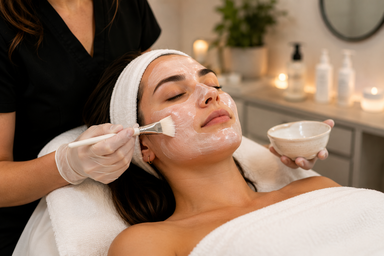
- Targeted treatment. A calming, oil-balancing, or antibacterial mask is applied based on your skin's needs.
- Aftercare guidance. You will leave with a clear understanding of how to care for your skin until your next appointment.
How Long Does It Take to See Results?
Skin cell turnover naturally takes several weeks, so most estheticians recommend a series of treatments over one to three months before expecting significant, lasting improvement. Consistency matters far more than doing a single intense treatment and expecting instant results.
Can Acne Treatment Help with Dark Marks Left Behind?
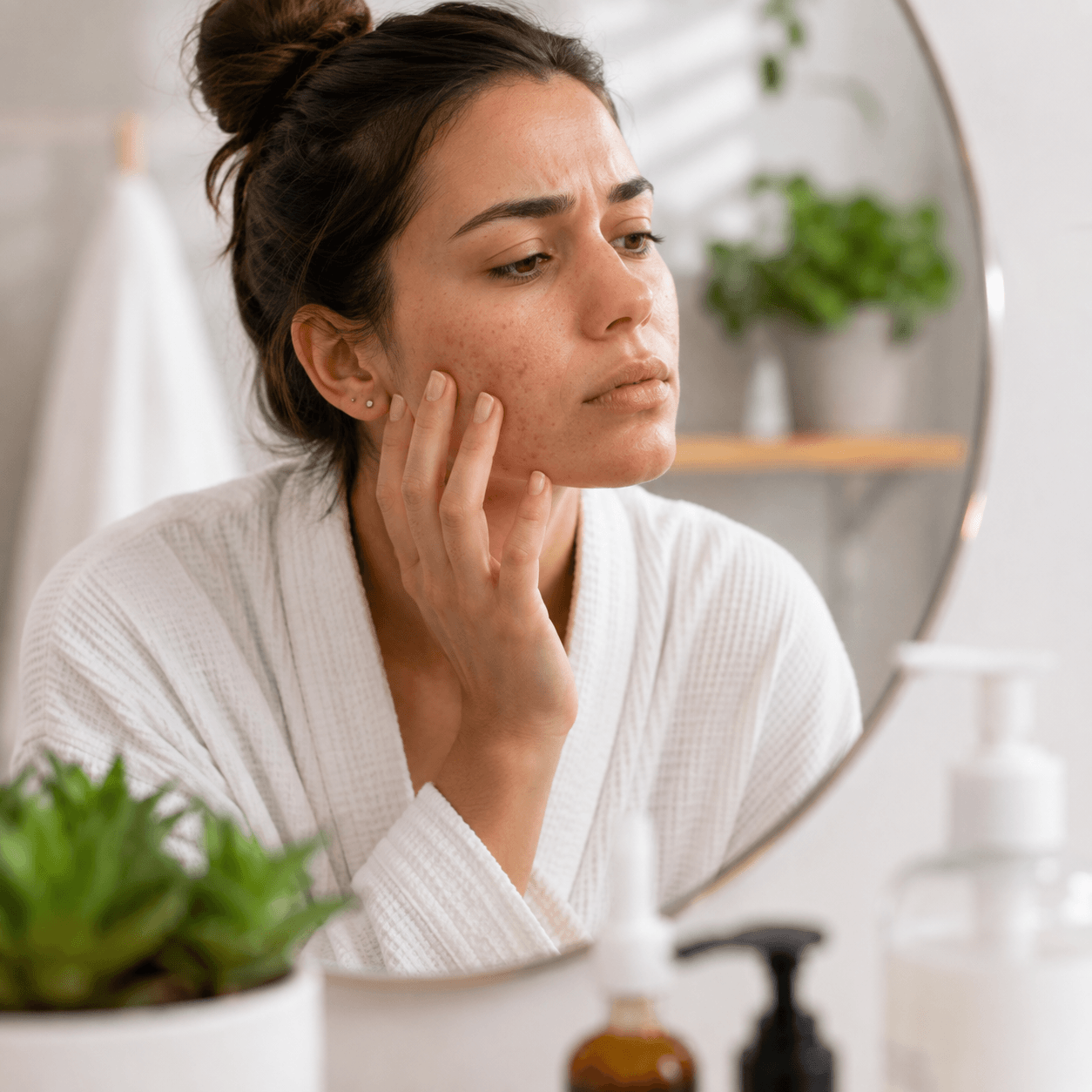
Yes, though it is worth understanding the difference between an active breakout and the discoloration it can leave behind. Post-acne marks are technically a form of hyperpigmentation, and they often respond well to the same treatments used for pigmentation concerns, like chemical peels and brightening facials, once the active acne itself is under control.
Acne Treatment vs. Other Options
Clients often wonder how professional acne care compares to other popular treatments:
- Acne treatment facials focus specifically on breakout triggers like oil, congestion, and inflammation.
- Chemical peels support acne treatment by resurfacing skin and reducing the appearance of post-breakout marks.
- Dermaplaning removes dead skin and peach fuzz, which can help products absorb better but is not a primary acne solution on its own.
Many clients combine treatments as part of a broader plan. You can see the full range of options on our services page.
Lifestyle Habits That Support Clearer Skin
Professional treatment works best alongside supportive daily habits, such as:
- Changing pillowcases regularly
- Avoiding touching your face throughout the day
- Using non-comedogenic makeup and skincare products
- Managing stress where possible
- Staying consistent with any recommended home care routine
When to Seek Professional Help for Acne
If you have tried multiple over-the-counter products without improvement, if breakouts are painful or cystic, or if you are noticing scarring or dark marks left behind, it is time to consult a professional rather than continuing to guess at home.
Finding the Right Acne Treatment Studio in Gold River or Sacramento
Look for a studio that takes a personalized approach rather than offering the same generic facial to every client. A proper consultation, a clear explanation of what is causing your breakouts, and a realistic treatment timeline are all signs you are in good hands. You can see real client transformations in our gallery.
Clearer Skin Is Closer Than You Think
Breakouts do not have to be something you just live with. With the right professional acne treatment plan, consistent care, and a little patience, clearer, calmer skin is absolutely achievable.
Schedule your consultation today and let's build a plan that actually works for your skin.
Frequently Asked Questions
How long does acne treatment take to work?
Most clients begin noticing improvement after a series of sessions over one to three months, since skin renewal takes time.
Can acne treatment help with acne scars?
Yes, treatments like chemical peels can improve the appearance of certain acne marks over time, especially when paired with a broader hyperpigmentation treatment approach.
Is professional acne treatment better than over-the-counter products?
For moderate to persistent breakouts, professional acne treatment is typically more effective because it is tailored to your specific skin rather than a generic formula.
How often should I get acne treatment facials?
This varies by severity, but many clients start with more frequent sessions before transitioning to a monthly maintenance schedule.
Does stress really cause acne?
Yes, stress can increase oil production and inflammation, both of which contribute to breakouts.
.svg)
.svg)
.svg)