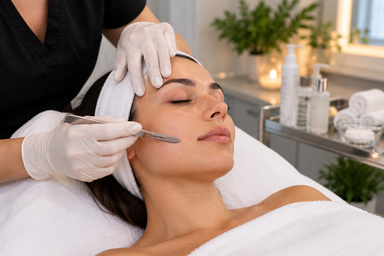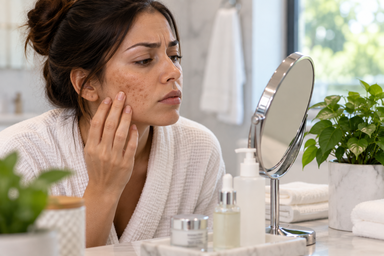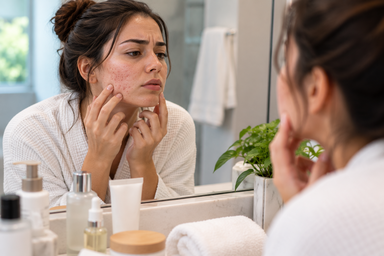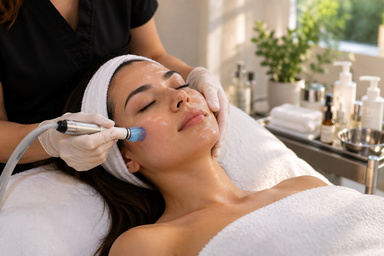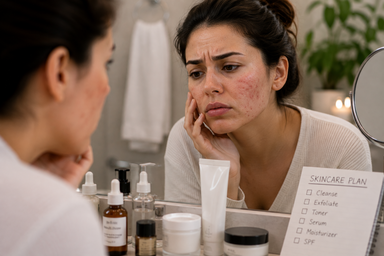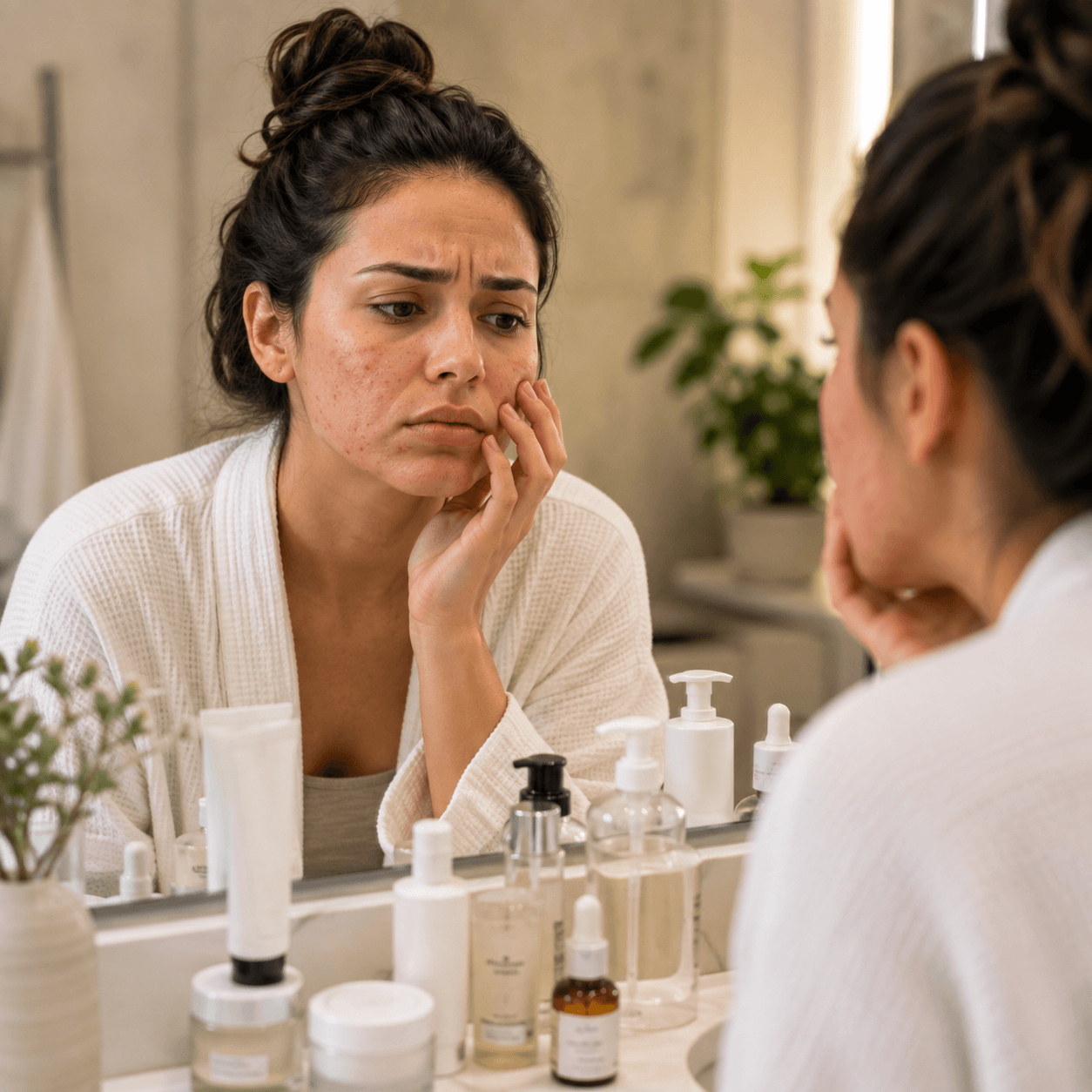
If you have ever stood in front of your bathroom mirror in Sacramento wondering why your skin looks dull no matter how much water you drink or how expensive your moisturizer is, you are not alone. Dull texture, leftover acne marks, and stubborn uneven tone are some of the most common reasons people search for answers before they even know the word for the treatment that can help. That treatment is usually a chemical peel, and it happens to be one of the most requested services at Glow On Studios in Gold River, serving clients throughout Sacramento.
This article walks through what actually causes those frustrating skin concerns, how a chemical peel addresses them at the source, and what to expect if you decide to book one. Updated for August 2026, this guide reflects the most current approach to professional exfoliation and skin resurfacing offered locally.
Why Does Skin Look Dull, Textured, or Uneven in the First Place?
Before jumping into treatment, it helps to understand what is happening underneath the surface.
What Causes Dull or Rough Skin Texture?
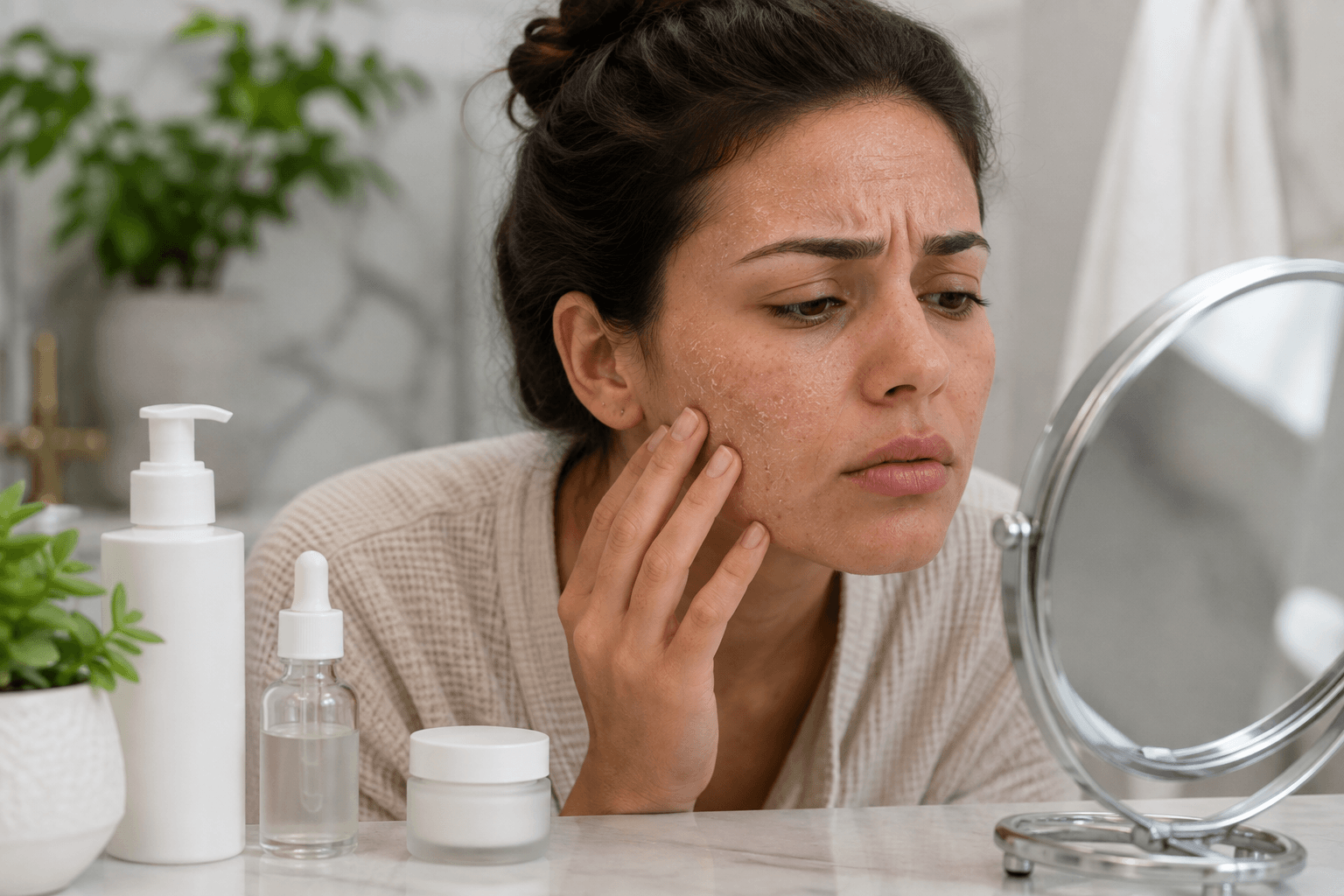
Skin naturally sheds dead cells on a cycle that slows down with age, sun exposure, and stress. When dead cells build up faster than they shed, the result is a rough, flaky, or lackluster complexion. Sacramento's dry summer climate and frequent sun exposure can speed up this buildup, which is why many local clients notice their skin looking tired by midsummer.
What Causes Acne Scars and Post-Breakout Marks?
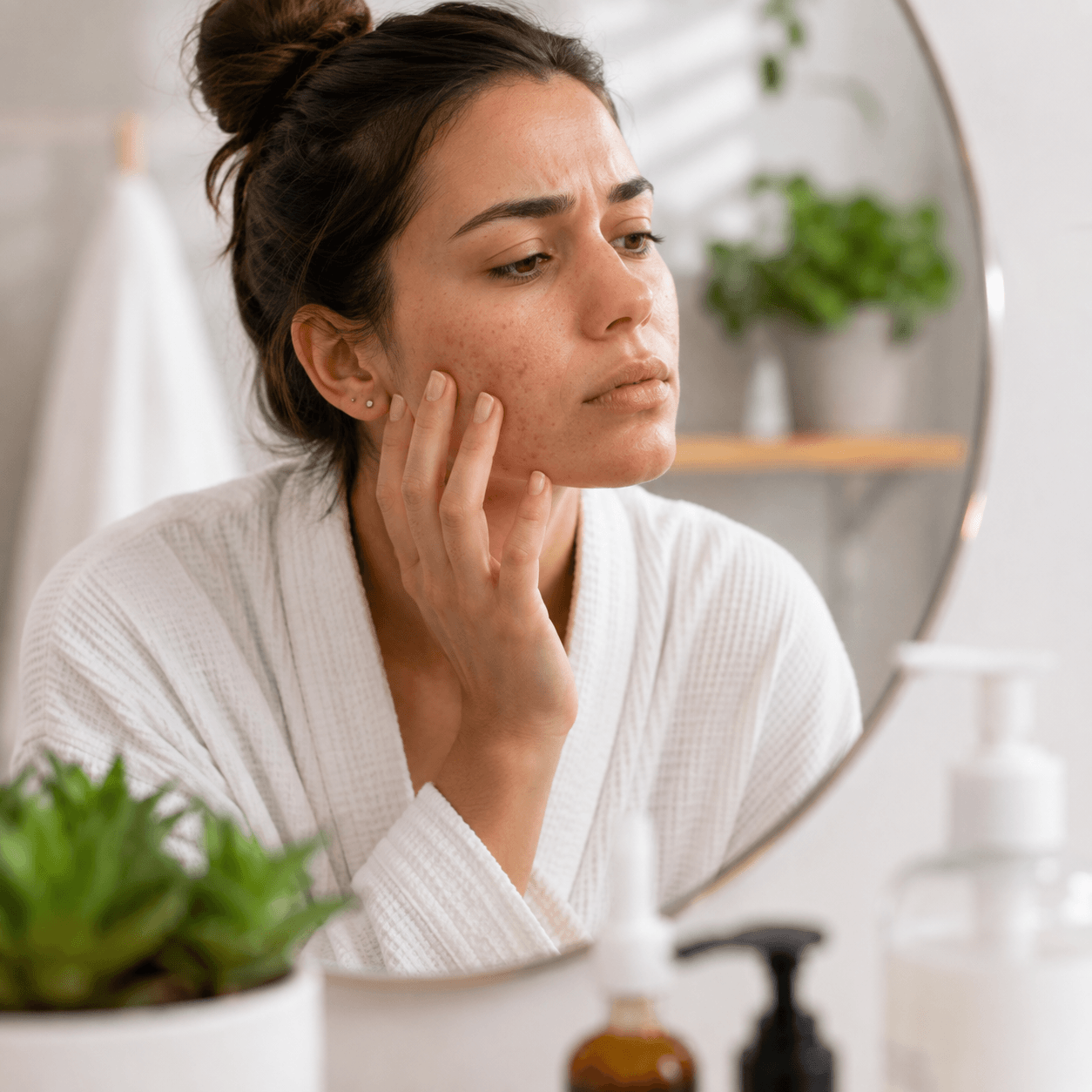
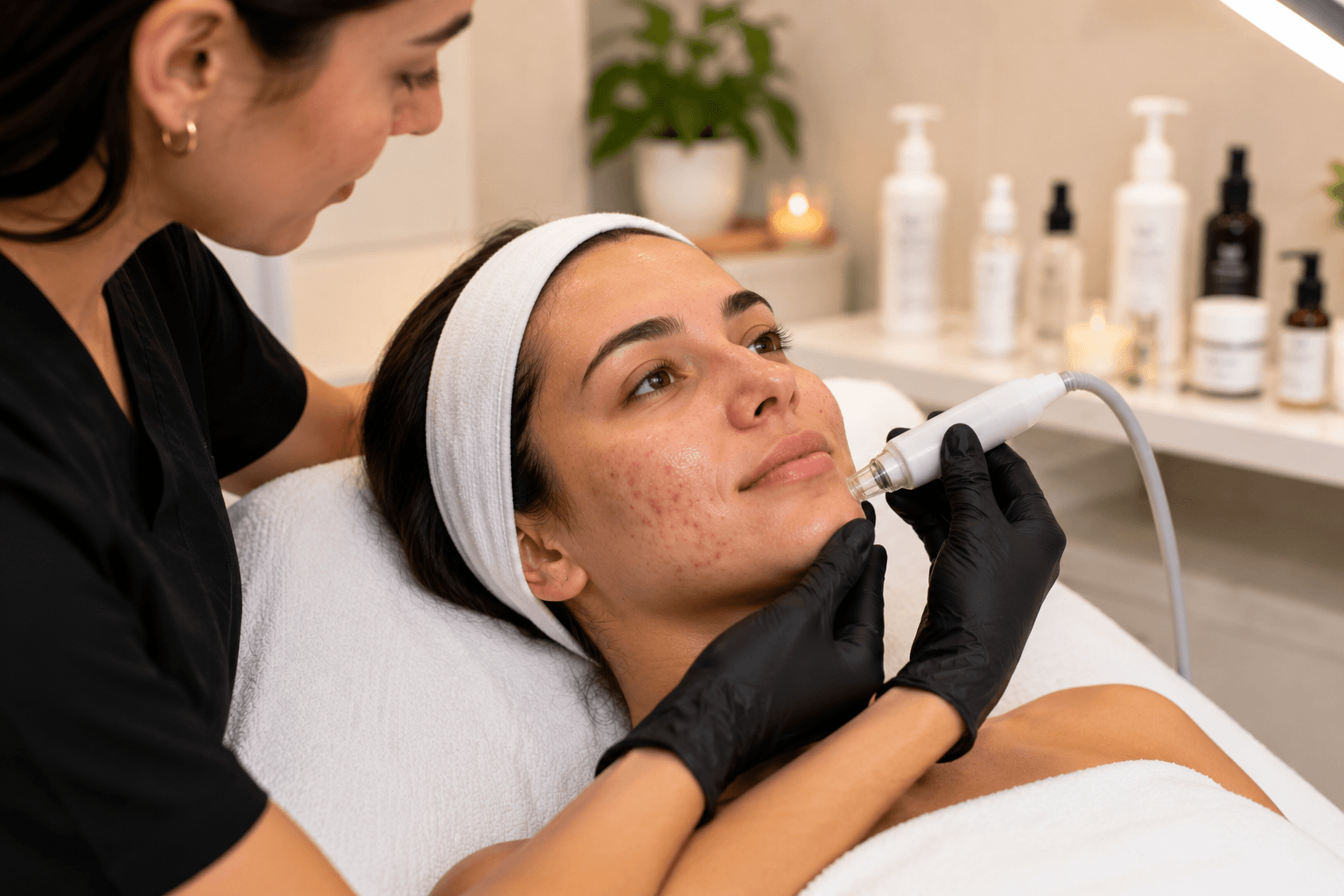
When a breakout heals, it can leave behind discoloration or shallow textural scarring. This happens because inflammation disrupts normal collagen production in the area. Left untreated, these marks can take months or years to fade on their own.
Why Does Skin Tone Become Uneven Over Time?
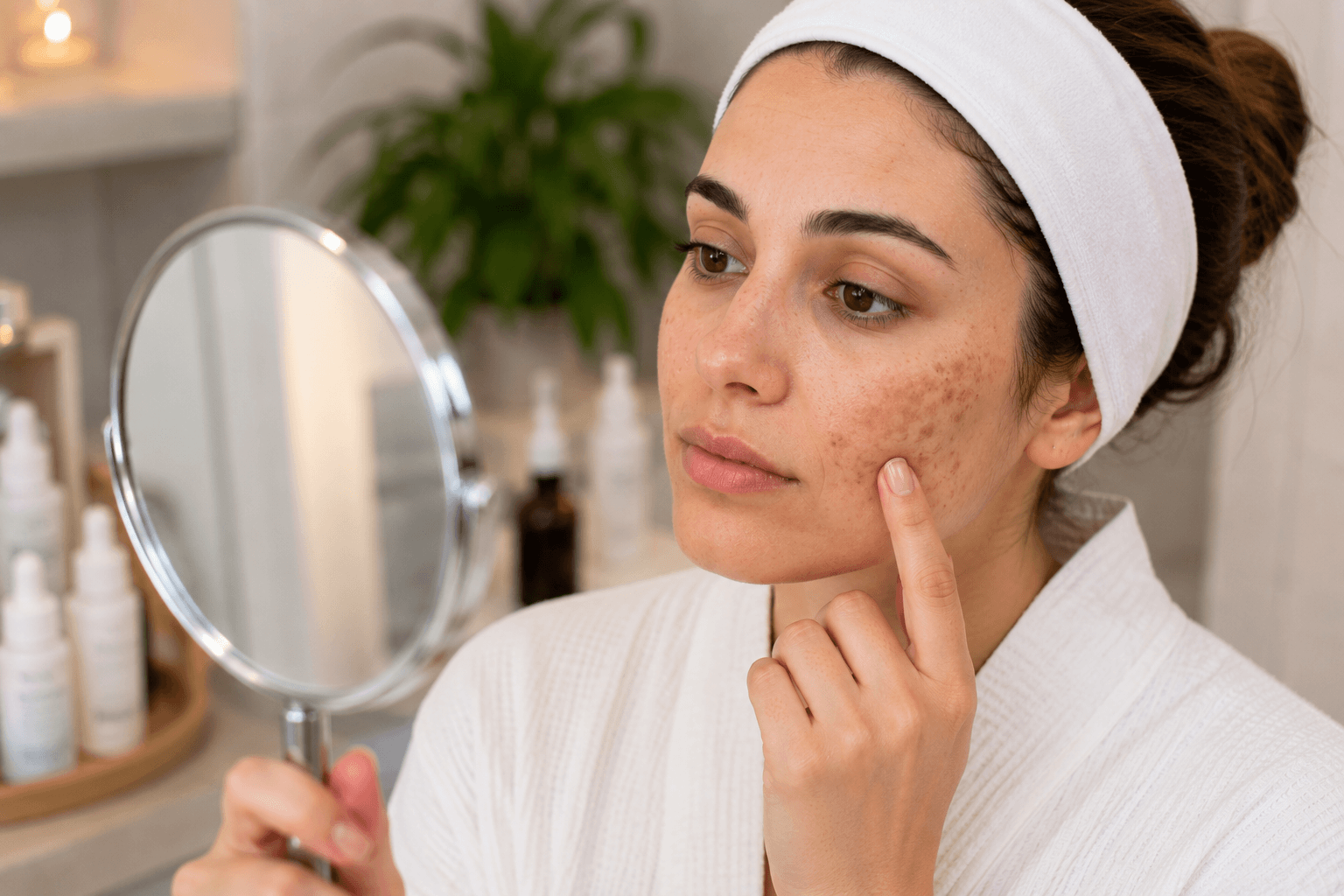
Sun exposure, hormonal changes, and inflammation from acne all trigger excess melanin production in certain areas, leading to blotchy or uneven pigmentation. Because Sacramento sees over 265 sunny days a year, sun-related unevenness is one of the top concerns clients bring into the studio.
When Should You See a Professional About These Concerns?
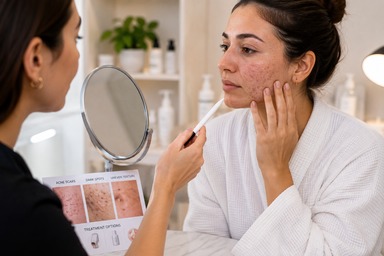
If over-the-counter exfoliants and serums have not moved the needle after a few months, or if you notice scarring, persistent redness, or pigmentation that is getting darker rather than fading, it is worth scheduling a professional skin consultation rather than continuing to guess at home.
What Is a Chemical Peel and How Does It Work?
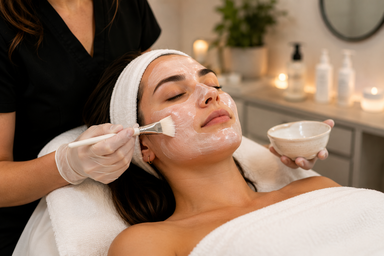
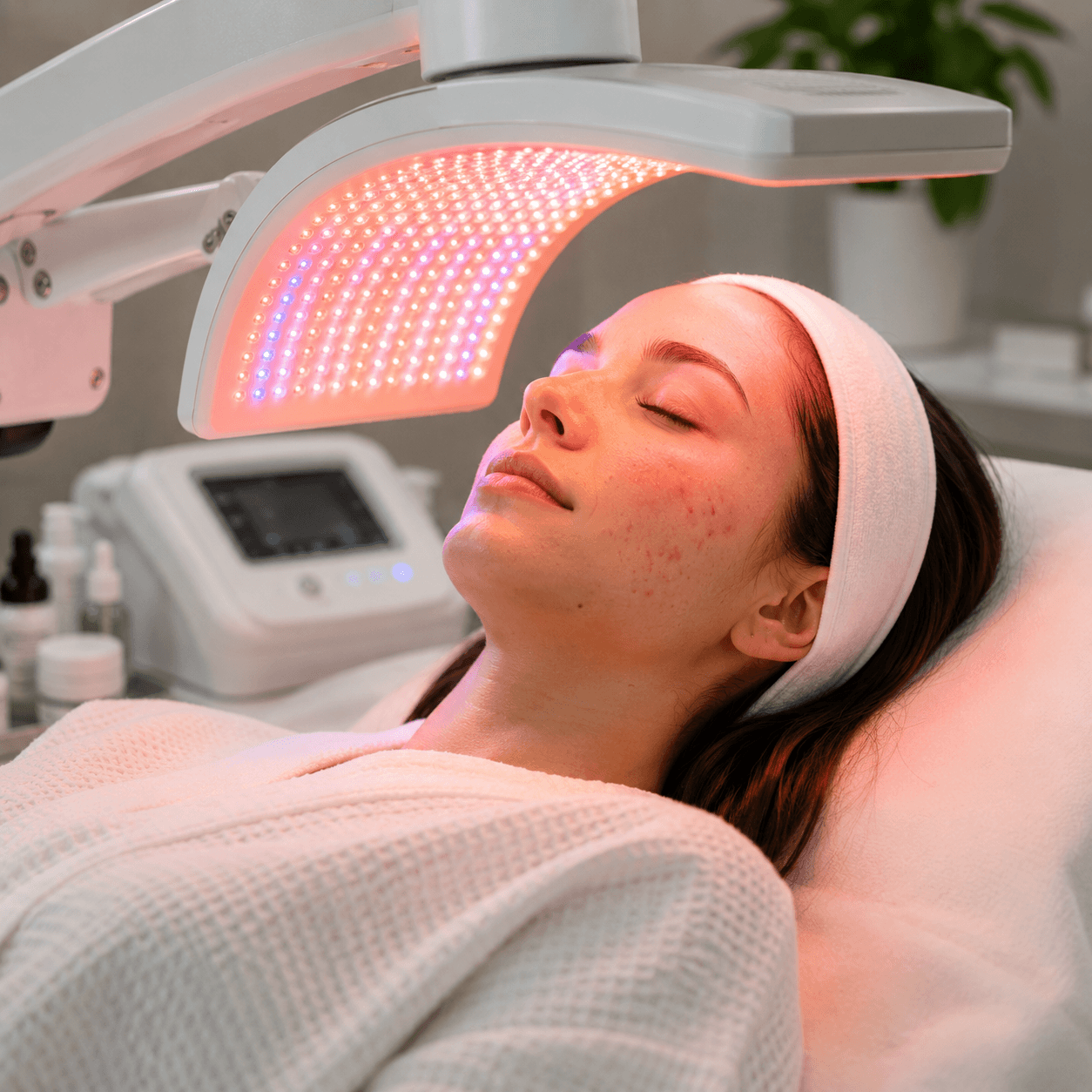
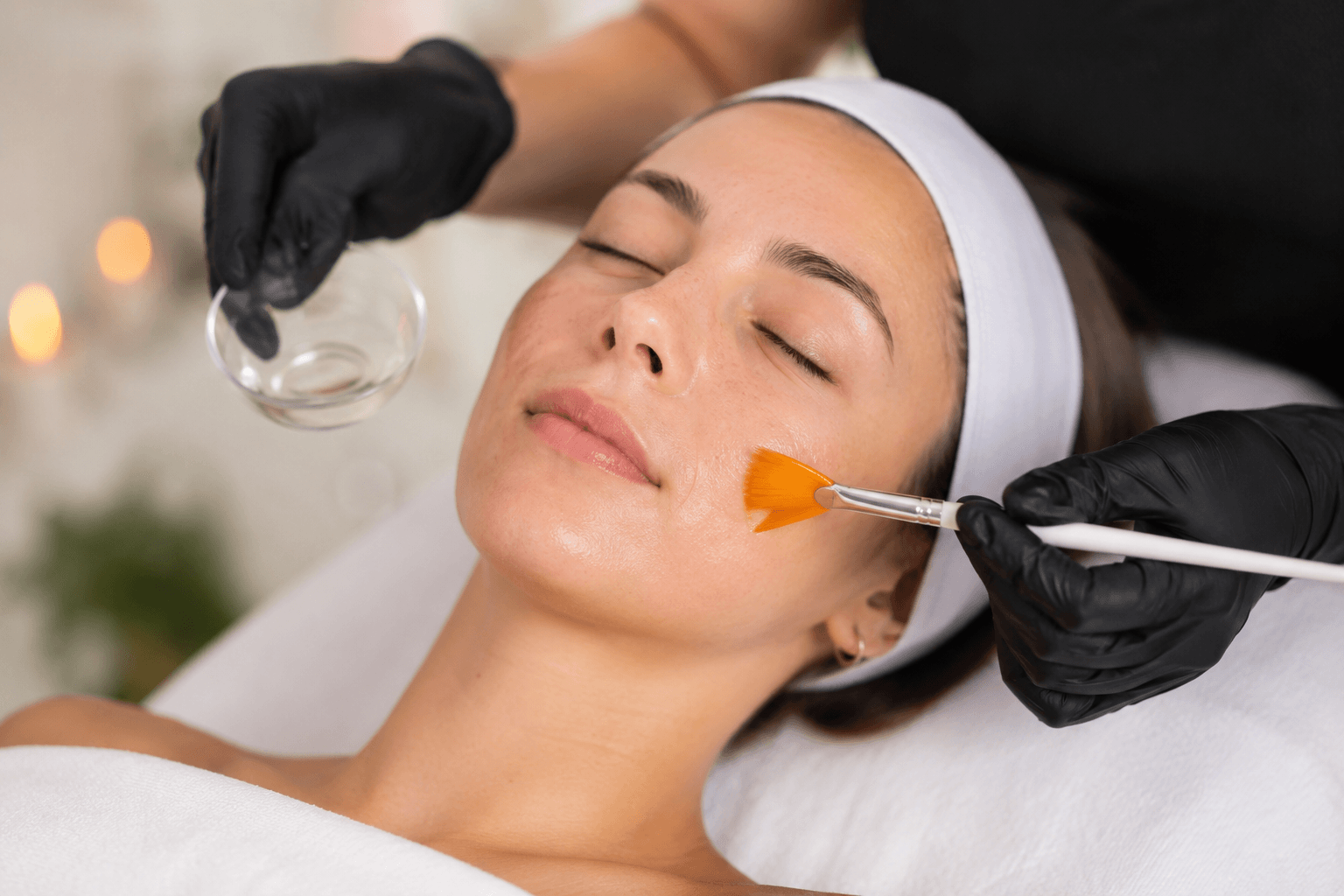
A chemical peel uses a controlled exfoliating solution to remove the outermost layers of dead and damaged skin cells. As those layers lift away, fresher, more evenly toned skin is revealed underneath. The process also stimulates cell turnover and collagen activity, which is why the benefits continue to show up for days after your appointment.
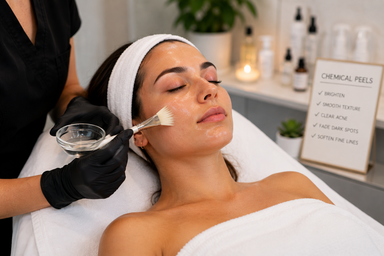
At Glow On Studios, the Resurfacing Chemical Peel is one of the most popular treatments on the menu, and for good reason. It is designed to visibly improve acne and acne scarring, smooth rough texture, even out skin tone, soften the look of fine lines, and lighten hyperpigmentation, all in a single session.
What Skin Concerns Can a Chemical Peel Improve?
- Breakout-prone or congested skin
- Acne scarring and textural irregularities
- Dull, rough, or flaky texture
- Uneven tone and sun damage
- Fine lines and early signs of aging
- Hyperpigmentation and dark spots
Who Is a Good Candidate for a Chemical Peel?
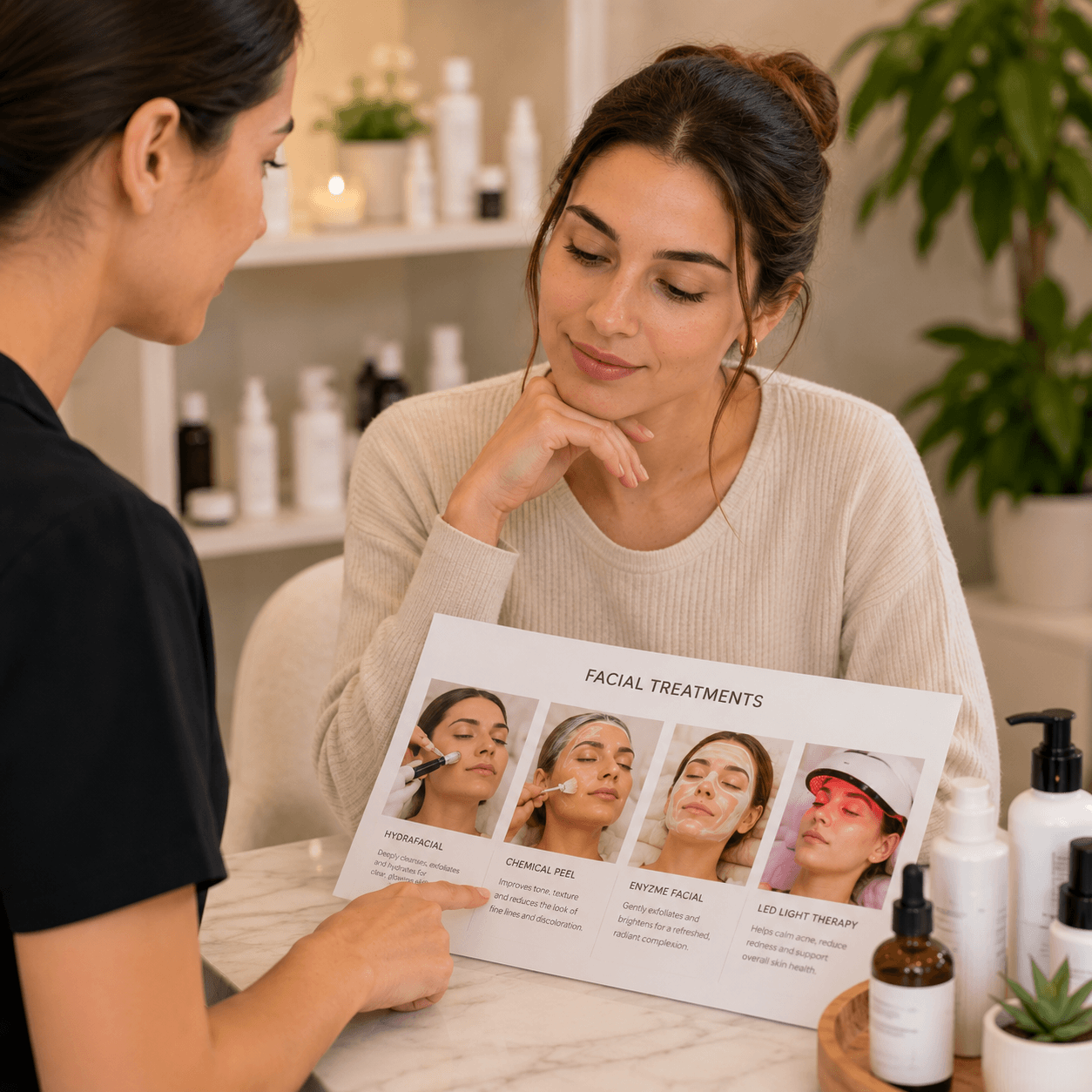
Most skin types can benefit from a peel, but the right depth and formula depend on your individual skin history, sensitivity, and goals. That is why a consultation comes first. During this appointment, your esthetician reviews your skin, discusses your concerns, and builds a homecare plan to prepare your skin before the actual peel appointment.
Is a Chemical Peel Painful or Does It Require Downtime?
Most clients describe a peel as a warming or tingling sensation rather than pain. Depending on the strength used, you might notice some redness, tightness, or light flaking over the following days as the skin sheds. Your esthetician will walk you through exactly what to expect and how to care for your skin afterward so healing stays on track.
What Happens During a Chemical Peel Appointment?
Every peel at Glow On Studios begins with a conversation, not a chemical. Your esthetician will look closely at your skin, ask about your history with acne, sensitivity, or previous treatments, and confirm that a peel is the right fit before moving forward. From there, the solution is applied in careful layers, timed precisely to your skin's tolerance, then neutralized. Many clients are surprised by how quickly the appointment moves and how relaxed the process feels compared to what they imagined.
Because homecare prep matters so much for both comfort and results, new clients are asked to complete a short consultation before their first peel. This is not a sales tactic. It is how Madeline and Ashlyn make sure your skin barrier is ready to handle the treatment safely, especially if you live in Sacramento's dry, sun-heavy climate where the skin barrier can already be under stress.
How Do Chemical Peels Compare to Other Exfoliating Treatments?
If a full chemical peel feels like a big first step, Glow On Studios also offers an Enzyme Exfoliating Treatment, a gentler option with zero downtime that still delivers noticeable smoothing and brightening. For clients who want an even more intensive resurfacing option with minimal recovery time, the Biorepeel treatment combines exfoliation with collagen stimulation. Your esthetician can help you decide which option matches your skin's current needs and how they might rotate throughout the year for the best long term results.
How Often Should You Get a Chemical Peel?
Results build over a series of sessions, and most estheticians recommend spacing peels several weeks apart to allow the skin to fully recover and regenerate between treatments. Many Sacramento clients build peels into a seasonal skincare rhythm, using them to reset texture and tone after a summer of sun exposure or before an event.
Caring for Your Skin After a Peel
Sun protection becomes non negotiable after a peel, especially in a climate like Sacramento's where UV exposure is high most of the year. Your esthetician will recommend a gentle, hydrating homecare routine to support your skin as it renews itself, along with SPF to protect your results and prevent new pigmentation from forming.
Frequently Asked Questions
Does a chemical peel help with acne scars? Yes. By removing built up dead skin and encouraging new cell turnover, a chemical peel can visibly soften the appearance of acne scars and post-breakout marks over a series of treatments.
Can a chemical peel fix hyperpigmentation? A chemical peel is one of the most effective in-studio options for lightening hyperpigmentation because it targets pigmented cells at the surface and encourages fresher skin to take their place.
How long does it take to see results from a chemical peel? Some clients notice smoother texture within a few days, while deeper concerns like scarring and pigmentation typically improve gradually over a series of sessions.
Is a chemical peel safe for sensitive or acne-prone skin? It can be, but it depends on your specific skin history. That is why every new client at Glow On Studios completes a consultation before their peel, so the treatment and homecare plan match your skin's needs.
Where can I get a chemical peel near Sacramento, CA? Glow On Studios, located just outside Sacramento in Gold River, offers professional chemical peels along with personalized consultations and homecare support for clients throughout the greater Sacramento area.
Ready to Peel Back the Dull and Reveal What's Underneath?
Skin does not change overnight, but with the right treatment and a little patience, the difference between guessing at home and getting professional guidance is significant. If dullness, scarring, or uneven tone have been bothering you, a consultation at Glow On Studios is the natural next step. Visit the services page to see the full menu of resurfacing treatments, learn more about the team on the about page, or head to the homepage to book your consultation today.
.svg)
.svg)
.svg)