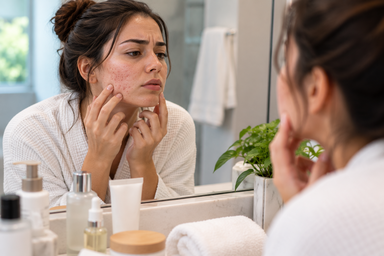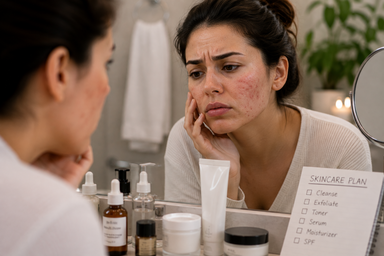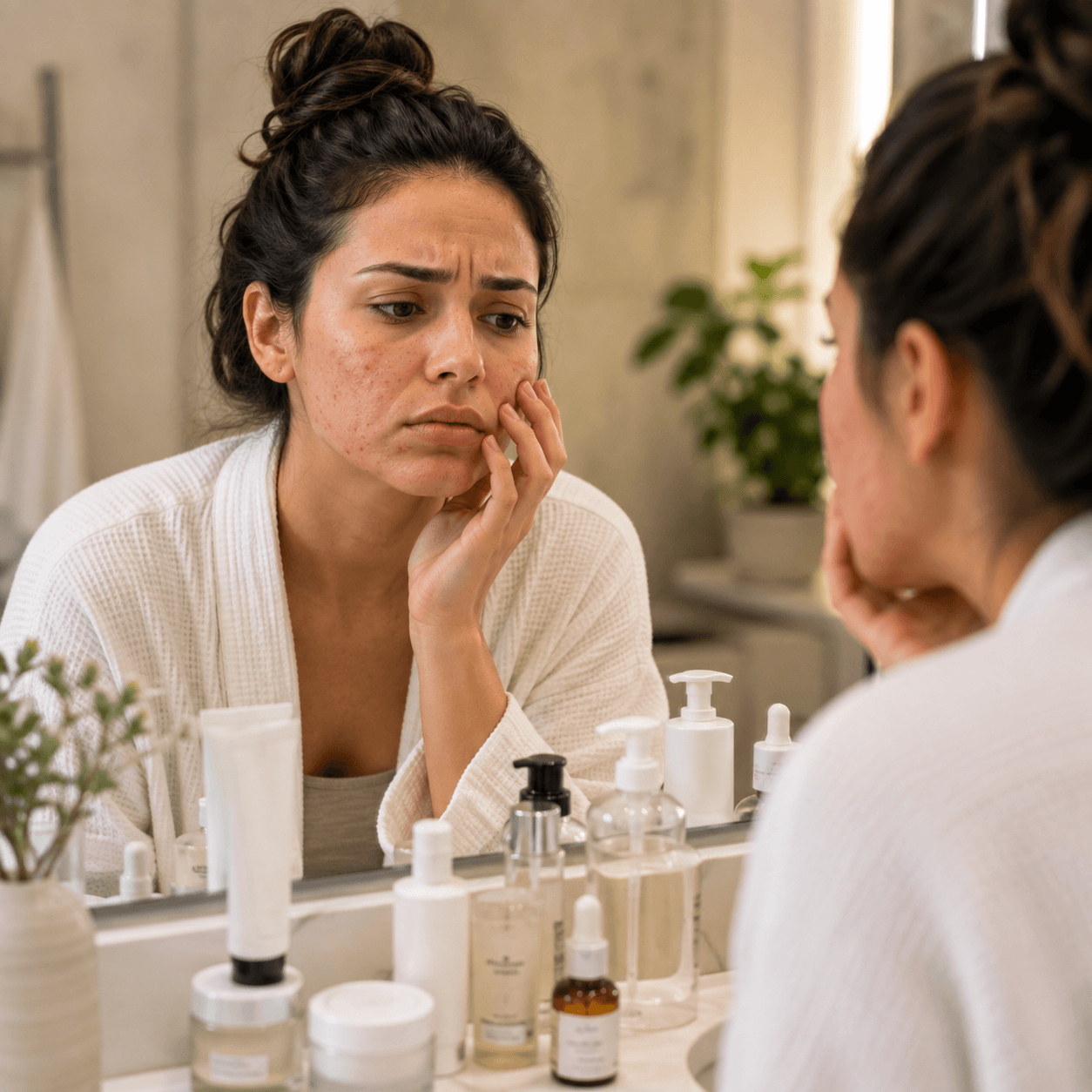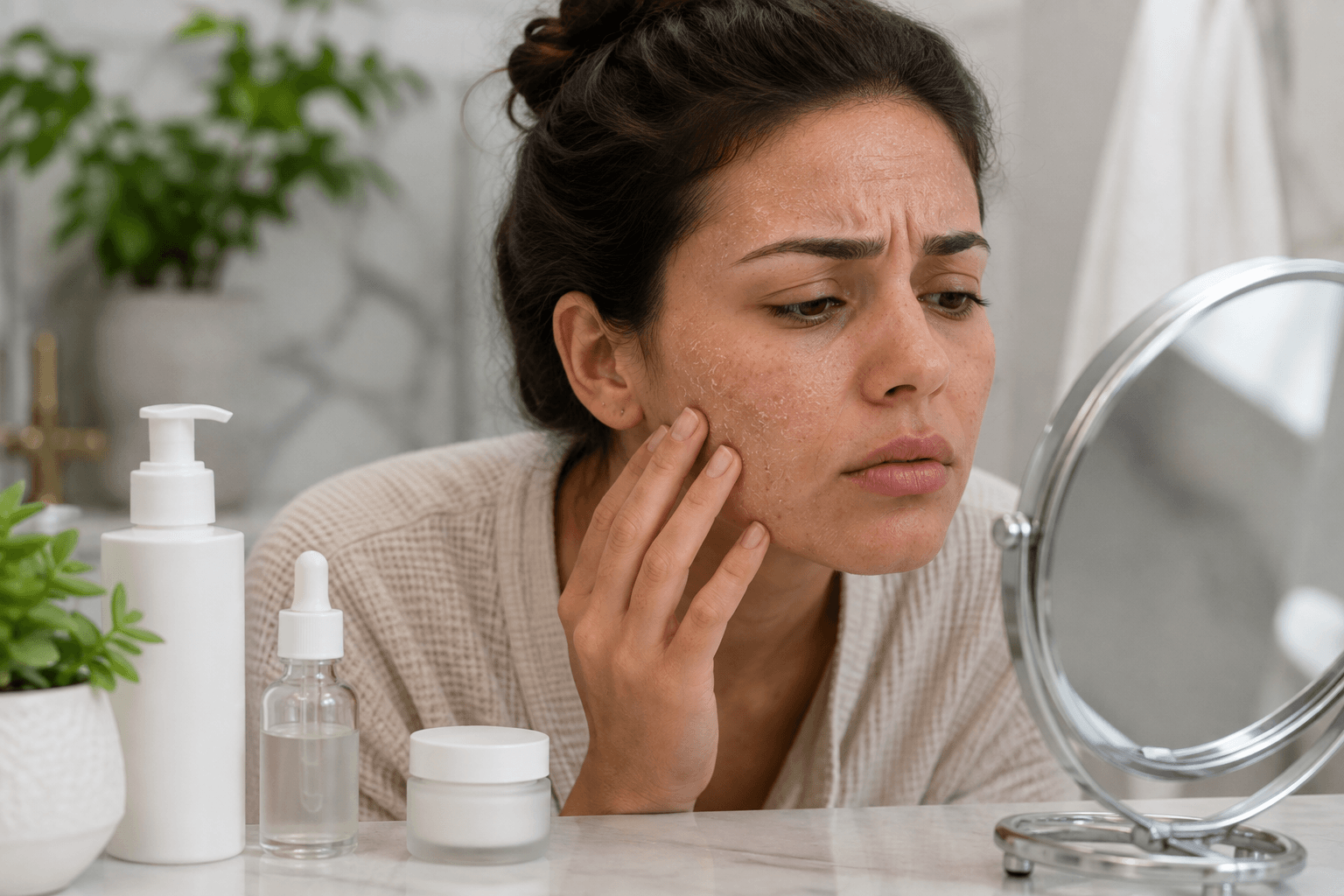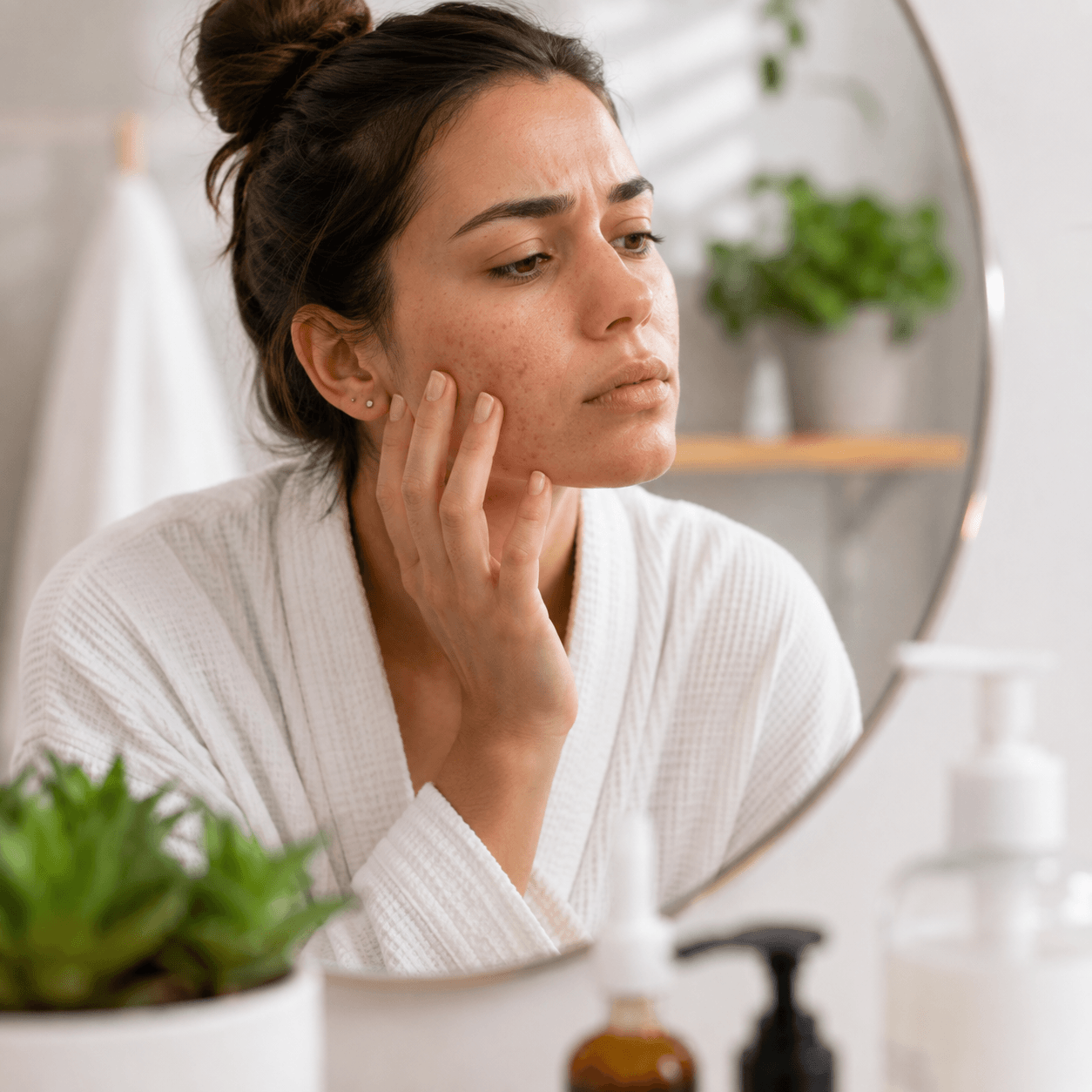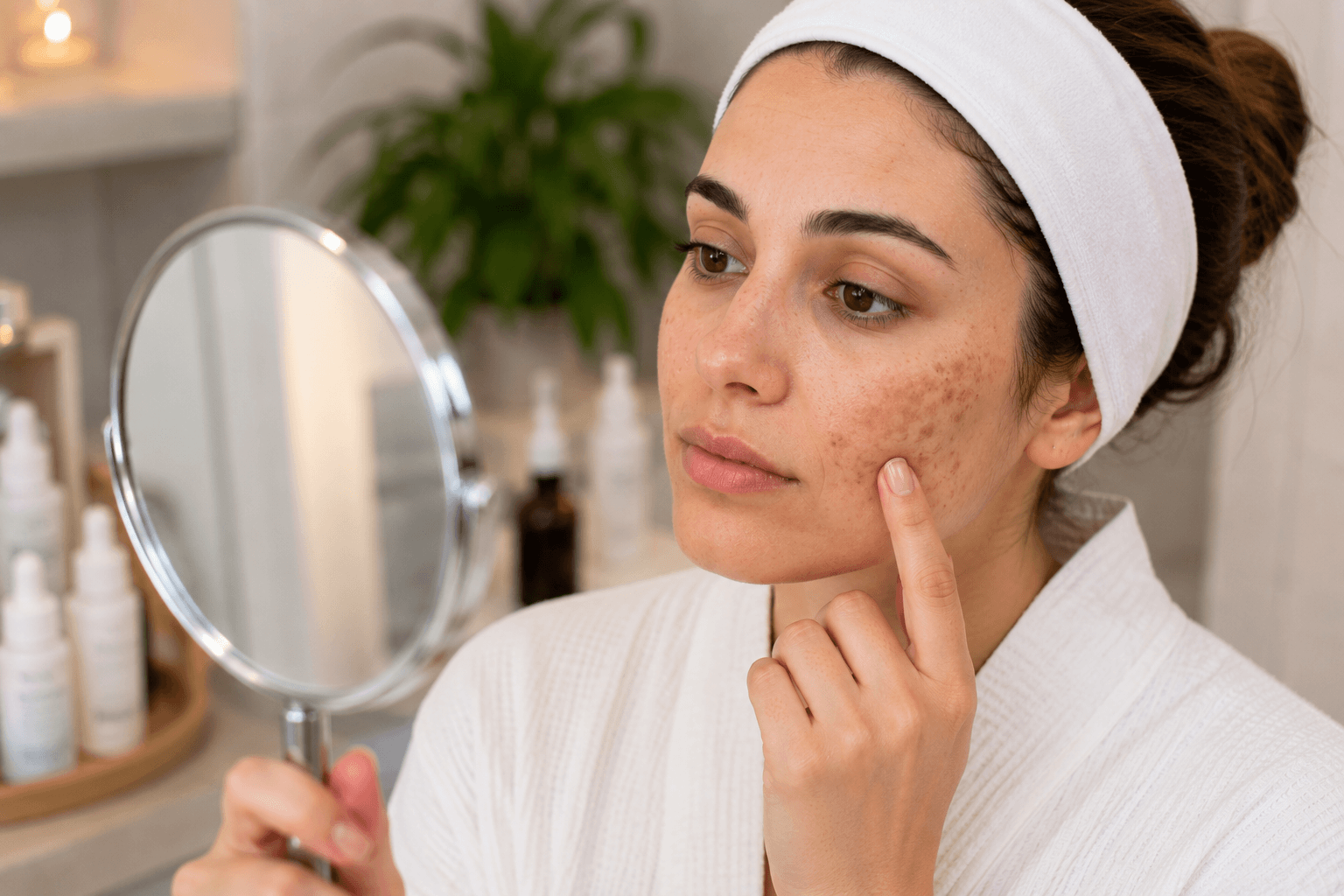
Dark spots have a way of showing up right when your skin finally starts feeling calm. Maybe it is a mark left behind from a breakout, a patch of sun damage from years of outdoor summers, or just general unevenness that seems to have crept in over time. Whatever the cause, dark spots are one of the most common concerns we hear about from clients throughout Sacramento and Gold River, and thankfully, they are also one of the most treatable.
This article walks through why hyperpigmentation happens, which treatments genuinely help fade it, and how to protect your progress once you start seeing results.
What Exactly Are Dark Spots?
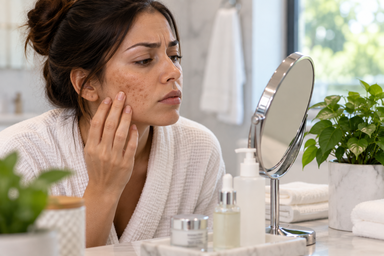
Dark spots, also called hyperpigmentation, happen when certain areas of skin produce more melanin than the surrounding skin. Melanin is the pigment responsible for skin color, and when its production goes into overdrive in a specific spot, it creates a patch that appears darker than the rest of your complexion.
Are All Dark Spots the Same?
Not exactly. There are a few common types, and knowing which one you are dealing with matters when it comes to choosing the right approach.
Post inflammatory hyperpigmentation develops after the skin experiences trauma or inflammation, most often from acne, cuts, or irritation. It is extremely common in people who deal with breakouts, since the skin darkens as part of its healing response.
Sun spots, sometimes called age spots, form from years of cumulative UV exposure. They tend to appear on areas that get the most sun, like the cheeks, forehead, and backs of the hands.
Melasma is a more complex form of pigmentation often linked to hormonal changes, and it typically appears as larger, symmetrical patches, most commonly on the cheeks and upper lip. Melasma can be more stubborn to treat and often benefits from a combination approach guided by a professional.
What Causes Dark Spots to Form?
Is Sun Exposure the Main Culprit?
For sun spots specifically, yes. UV exposure triggers melanin production as the skin's natural defense mechanism, which is why spots often appear or darken after summer months. Even with California's mild winters, year round sun protection matters more than most people realize.
Can Picking at Acne Make Dark Spots Worse?
It absolutely can. Picking or squeezing a breakout increases inflammation and trauma to the skin, which raises the likelihood of a dark mark forming once the blemish heals. This is one of the biggest reasons estheticians consistently recommend leaving extractions to a professional rather than doing them at home.
Do Hormones Play a Role?
They can, particularly with melasma, which is often triggered or worsened by hormonal shifts. This is one reason melasma can be trickier to manage than other types of pigmentation, and why a personalized plan matters so much.
Which Treatments Actually Help Fade Dark Spots?
How Does a Chemical Peel Target Hyperpigmentation?
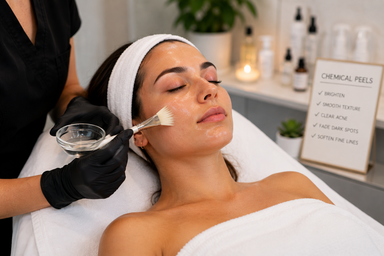
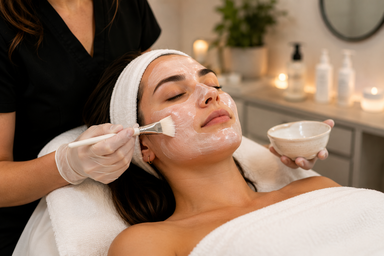
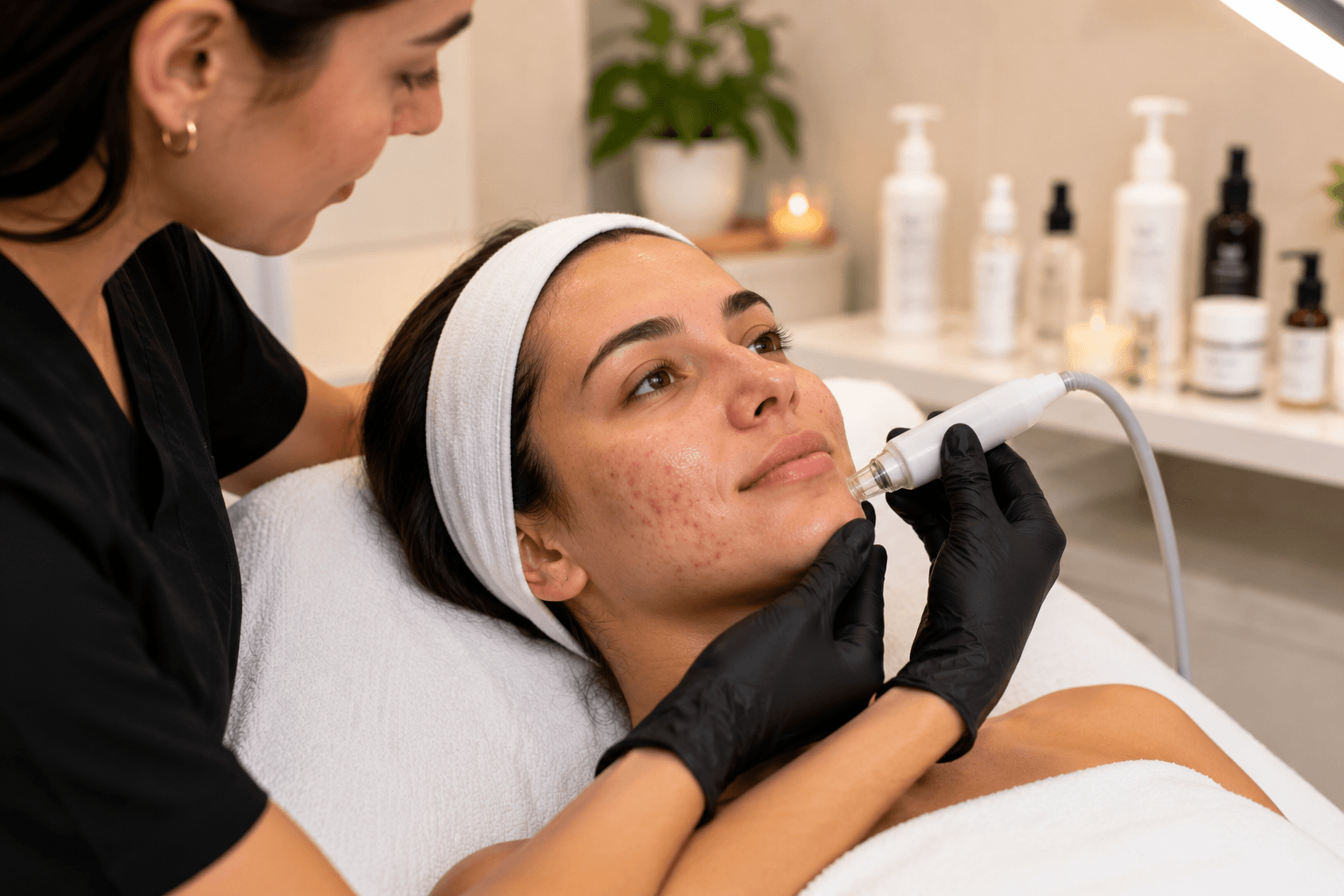
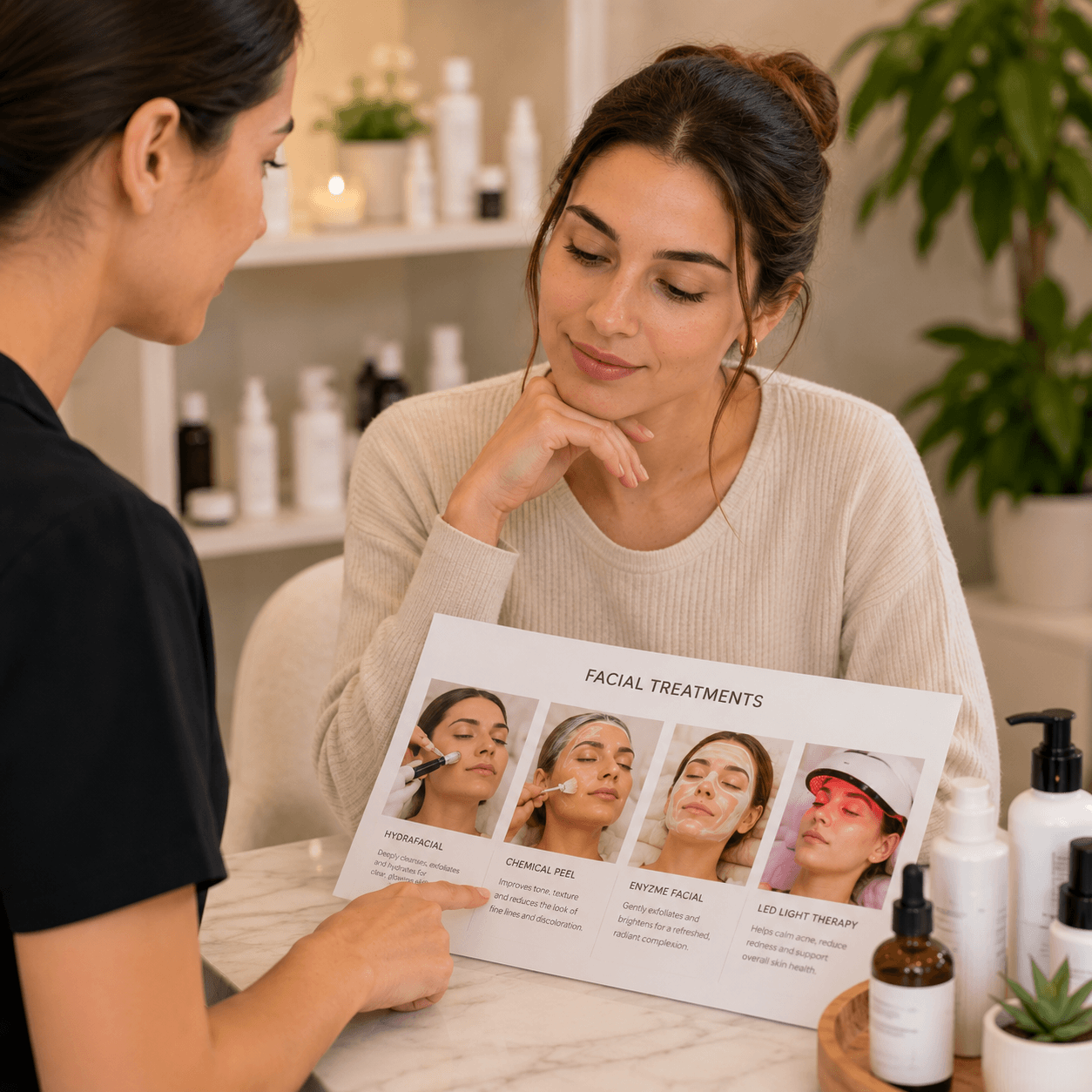
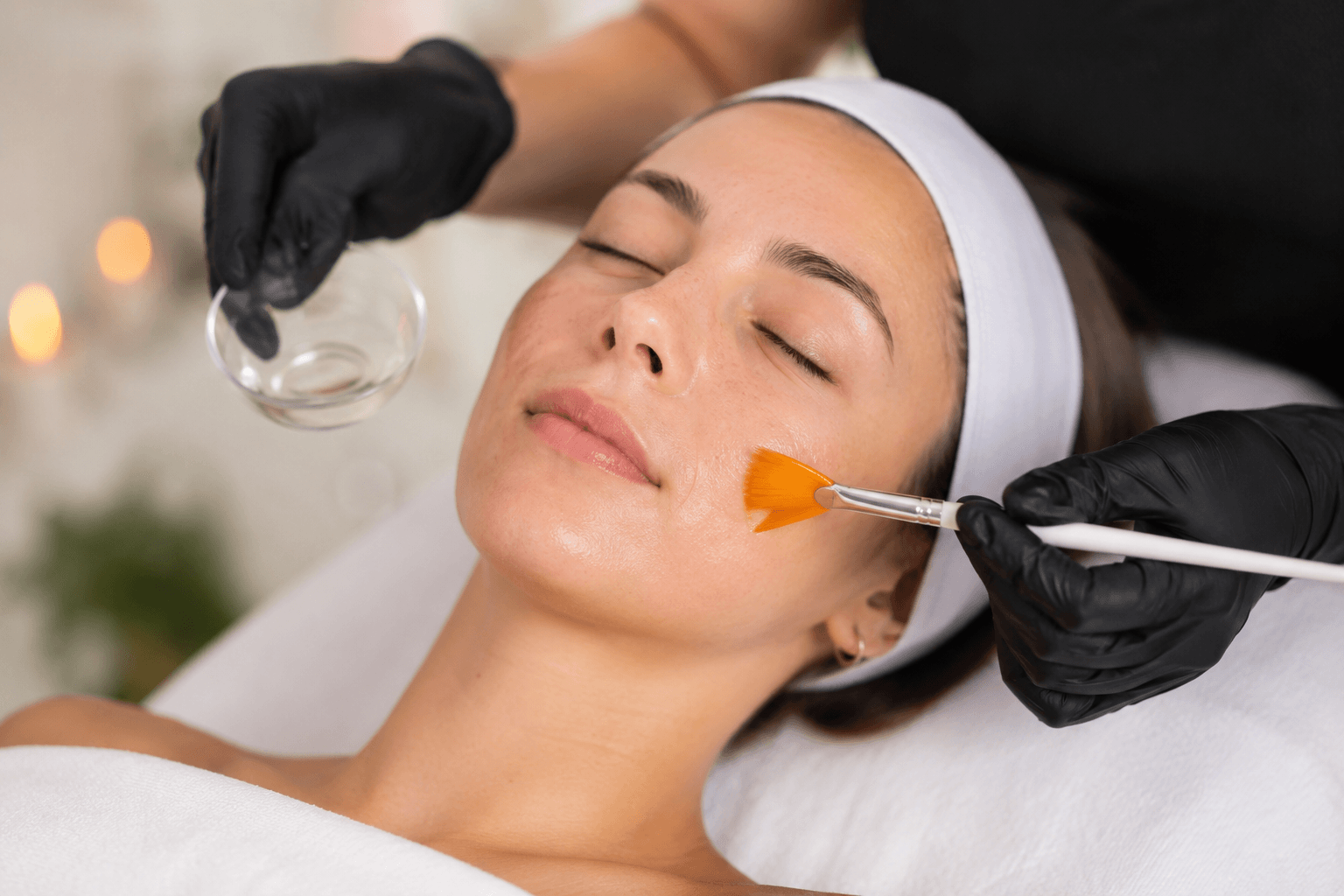
A resurfacing chemical peel works by removing built up layers of dead, pigmented skin cells, encouraging fresh, more evenly toned skin to surface underneath. Because peels accelerate cell turnover, they are one of the most effective in studio options for lightening the appearance of dark spots and creating a more even complexion over time. It is one of the most requested treatments we offer at our Gold River studio for exactly this reason.
What About BioRePeel?
BioRePeel is a stronger exfoliating treatment that works on pigmentation while also supporting collagen production, making it a solid option for clients dealing with both dark spots and early signs of aging at the same time.
Can an Enzyme Exfoliating Treatment Help Too?
Yes, especially for clients with more sensitive skin or those just starting a professional skincare routine. Enzyme treatments gently exfoliate without the intensity of a full peel, gradually evening out tone with consistent sessions and minimal irritation.
Does Dermaplaning Make a Difference?
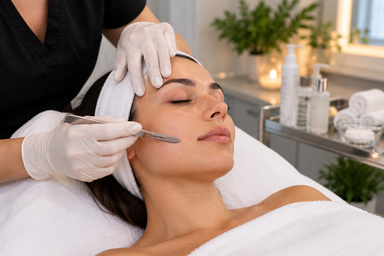
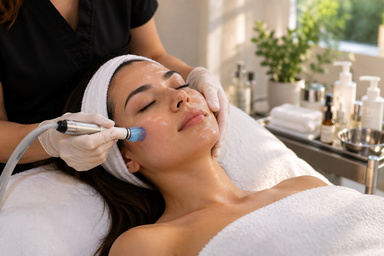
Dermaplaning removes the top layer of dead skin along with fine facial hair, which can help pigmented skin cells shed more evenly and allow other treatments and products to penetrate more effectively. Many clients pair dermaplaning with a peel for a more noticeable result.
How Long Does It Take to See Results?
Patience matters here. Dark spots typically take multiple sessions to fade noticeably, since skin renewal happens gradually and pigment sits at different depths depending on how long it has been there. Most clients start seeing visible improvement over a series of treatments spaced several weeks apart, and consistency tends to matter more than any single session.
How Do You Prevent Dark Spots From Coming Back?
Is Sunscreen Really That Important?
Yes, more than almost anything else on this list. Daily sunscreen is essential for protecting treated skin and preventing new pigmentation from forming. Without consistent sun protection, even the best in studio results can fade or new spots can appear in their place.
Should I Stop Picking at Breakouts?
If dark spots are a recurring frustration, avoiding picking or squeezing blemishes is one of the simplest ways to reduce new marks from forming. Letting a professional handle extractions during a facial minimizes trauma to the skin significantly.
Who Is a Good Candidate for Hyperpigmentation Treatment?
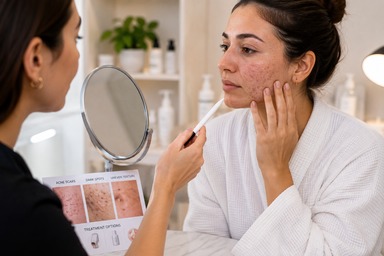
Most people dealing with post breakout marks, sun spots, or general unevenness are good candidates for peels, enzyme treatments, or dermaplaning. Melasma can respond well to treatment too, though it often requires a more tailored, patient approach since hormonal pigmentation behaves differently than sun damage or acne marks. A consultation helps determine which type of pigmentation you are dealing with and which treatment path makes the most sense.
Why Local Guidance Matters for Skin of Every Tone
Pigmentation can behave differently depending on skin tone, and treatments that work well for one person may need to be adjusted for another to avoid irritation or additional discoloration. That is exactly why an in person consultation with an experienced esthetician matters so much. At Glow On Studios, our team has worked with clients across a wide range of skin tones throughout Sacramento and Gold River, building treatment plans that respect each person's unique skin rather than applying a generic approach.
This guide reflects our current treatment recommendations as of September 2026, based on what continues to deliver consistent results for our clients.
Frequently Asked Questions
What is the fastest way to get rid of dark spots? There is no instant fix, but a series of professional chemical peels combined with daily sunscreen tends to produce the most noticeable improvement in the shortest amount of time.
Do dark spots ever go away on their own? Some post breakout marks fade gradually over months without treatment, but sun spots and melasma typically need targeted care to fade meaningfully.
Can dark spots come back after treatment? Yes, especially without consistent sun protection. That is why sunscreen and a maintenance routine are just as important as the initial treatment.
Is melasma treated differently than sun spots or acne marks? Often, yes. Melasma is more sensitive to aggressive treatment and can worsen with too much irritation, so a gentler, more gradual approach usually works best.
Will a HydraFacial help with dark spots? A HydraFacial primarily focuses on hydration and gentle exfoliation, so while it supports overall skin clarity, a resurfacing peel or BioRePeel is typically more effective specifically for fading hyperpigmentation.
Consider This Your Permission to Ditch the Concealer
Dark spots can feel stubborn, but they are far from permanent. With the right treatment plan and a little consistency, more even, radiant skin is a realistic goal, not a distant one. If you are ready to talk through your options, our team at Glow On Studios is happy to help you figure out the best path forward for your skin.
.svg)
.svg)
.svg)