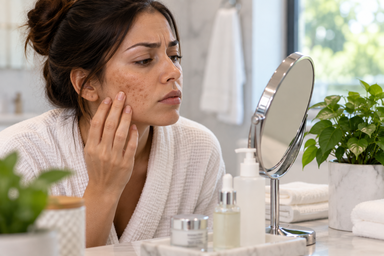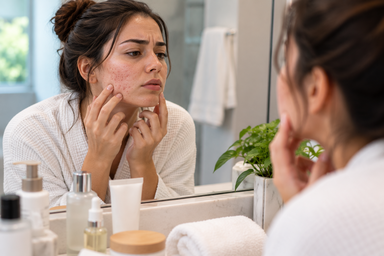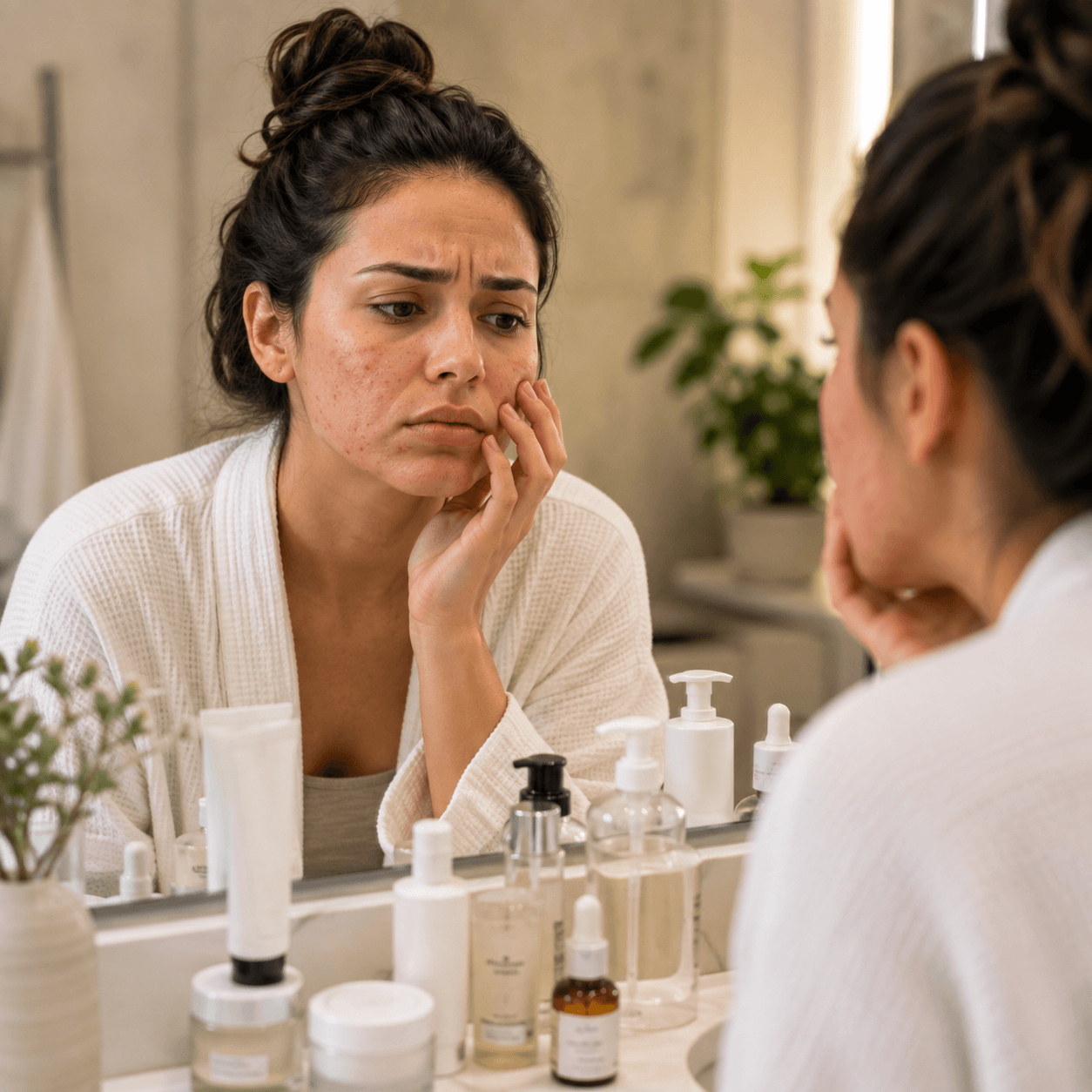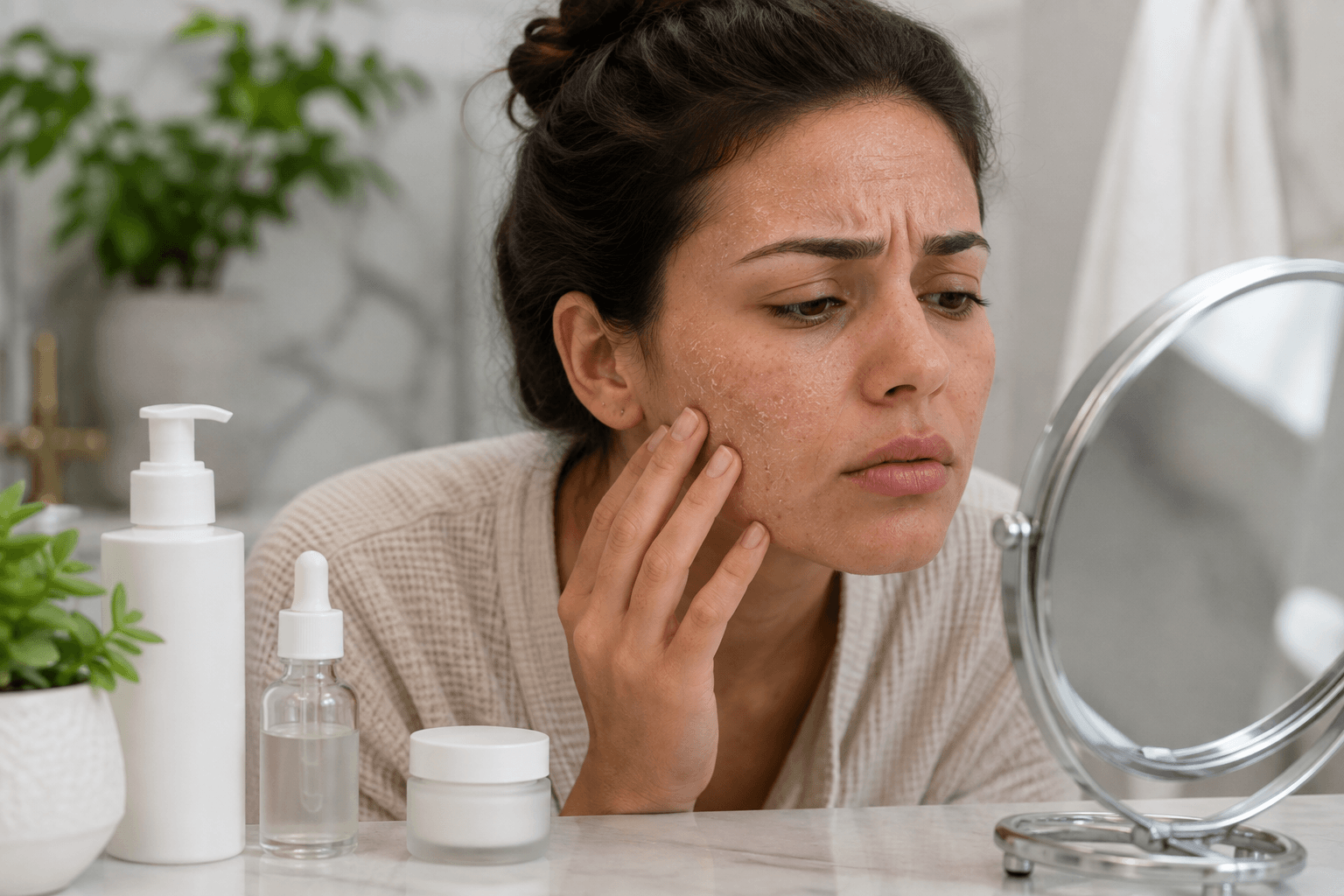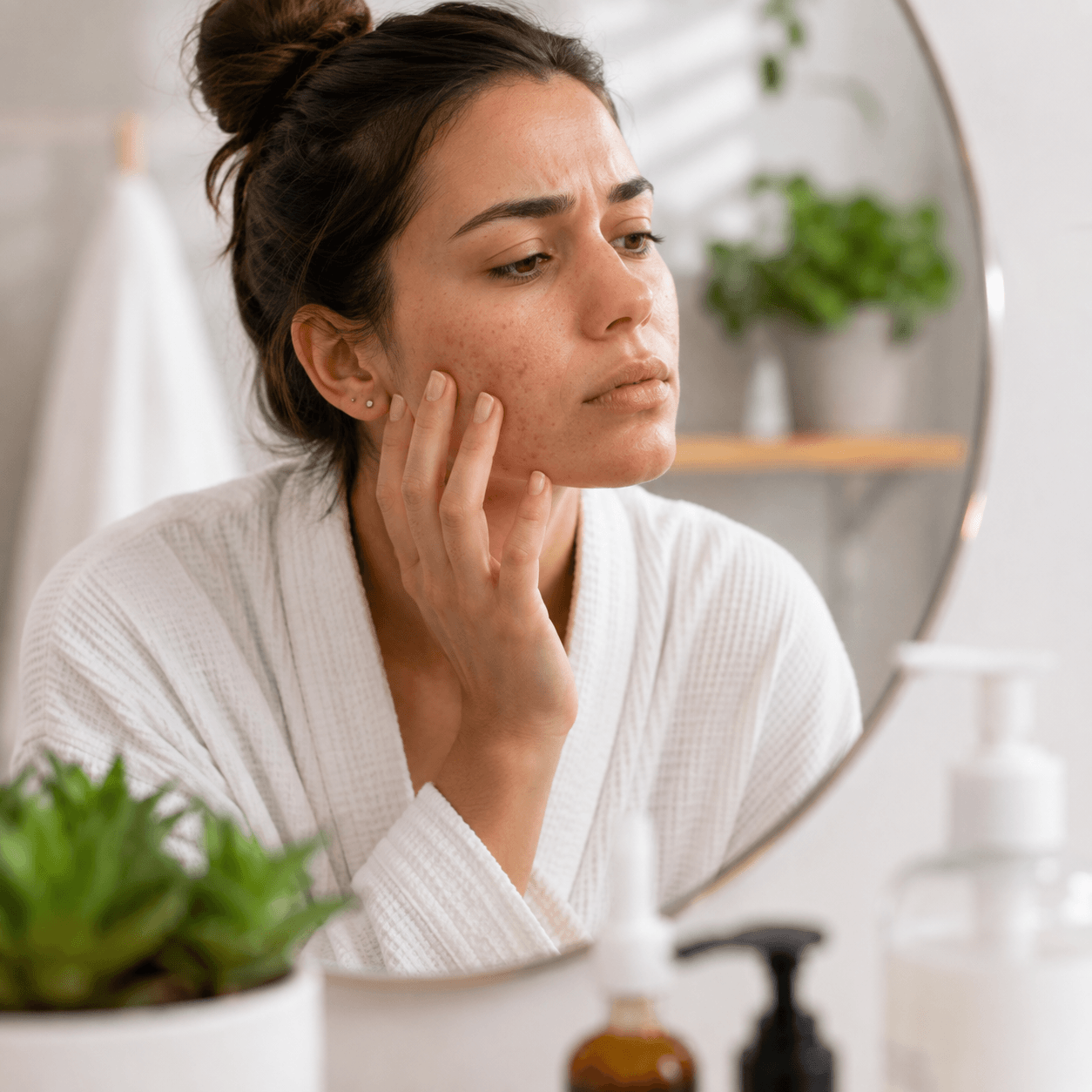
You wash your face twice a day. You exfoliate. You've tried three different serums this year alone. And yet your skin still feels bumpy under your fingertips, your foundation still clings to dry patches, and your reflection under bathroom lighting never quite matches the glow you're going for. If that sounds familiar, you're not doing anything wrong. You're just missing one piece of the puzzle that most at home routines can't solve on their own.
At Glow On Studios in Gold River, California, we hear this concern almost every week from clients across Gold River and the greater Sacramento area. The good news is that rough, dull, or textured skin usually has a clear cause, and there's a treatment built specifically to address it. It's called dermaplaning, and it might be the missing step in your skincare routine.
What Actually Causes Rough, Dull, or Bumpy-Feeling Skin?
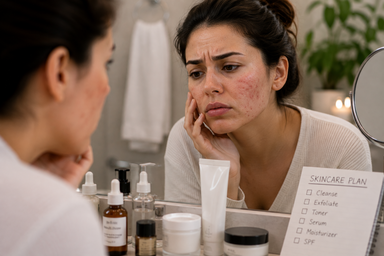
Before jumping to a treatment, it helps to understand what's happening on the surface of your skin. Most of the time, textured or lackluster skin comes down to a buildup of dead skin cells that your body hasn't fully shed on its own. As we age, that natural turnover process slows down, which means dead cells sit on the surface longer, dulling your complexion and making fine lines and pores look more pronounced.
Is It Dead Skin Buildup, or Something Else?
Dead skin buildup often feels like tiny bumps or roughness you can't quite scrub away, especially along the jawline, cheeks, and forehead. It can also make your skin look ashy or grayish, even if you're using brightening products. If your skin looks flat or tired no matter how much sleep you get, buildup is usually a big part of the story.
Does Peach Fuzz Really Affect How Your Skin Looks?
It's easy to underestimate, but that fine, soft facial hair known as vellus hair (commonly called peach fuzz) can trap oil, dead skin, and makeup against the skin. Over time, this can contribute to a dull, slightly hazy appearance and can make pores look more clogged than they actually are. Many clients are surprised to learn how much smoother and brighter their skin looks once that layer is addressed.
Why Doesn't Exfoliating at Home Fix This?
Physical scrubs and chemical exfoliants can help, but they typically only address the very surface layer of dead skin, and they don't touch the vellus hair that's contributing to texture and dullness. Overusing at home exfoliants can also irritate the skin barrier, which sometimes makes redness and sensitivity worse instead of better. This is where a professional treatment designed to do both jobs at once becomes valuable.
What Is Dermaplaning and How Does It Work?
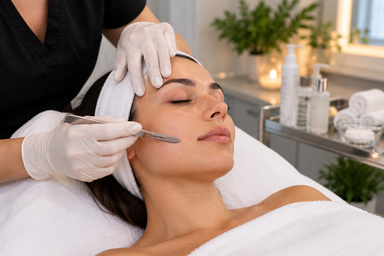
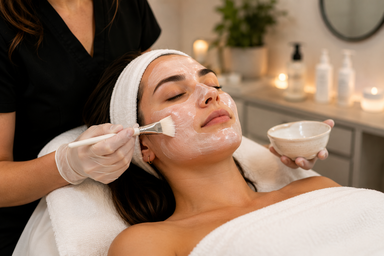
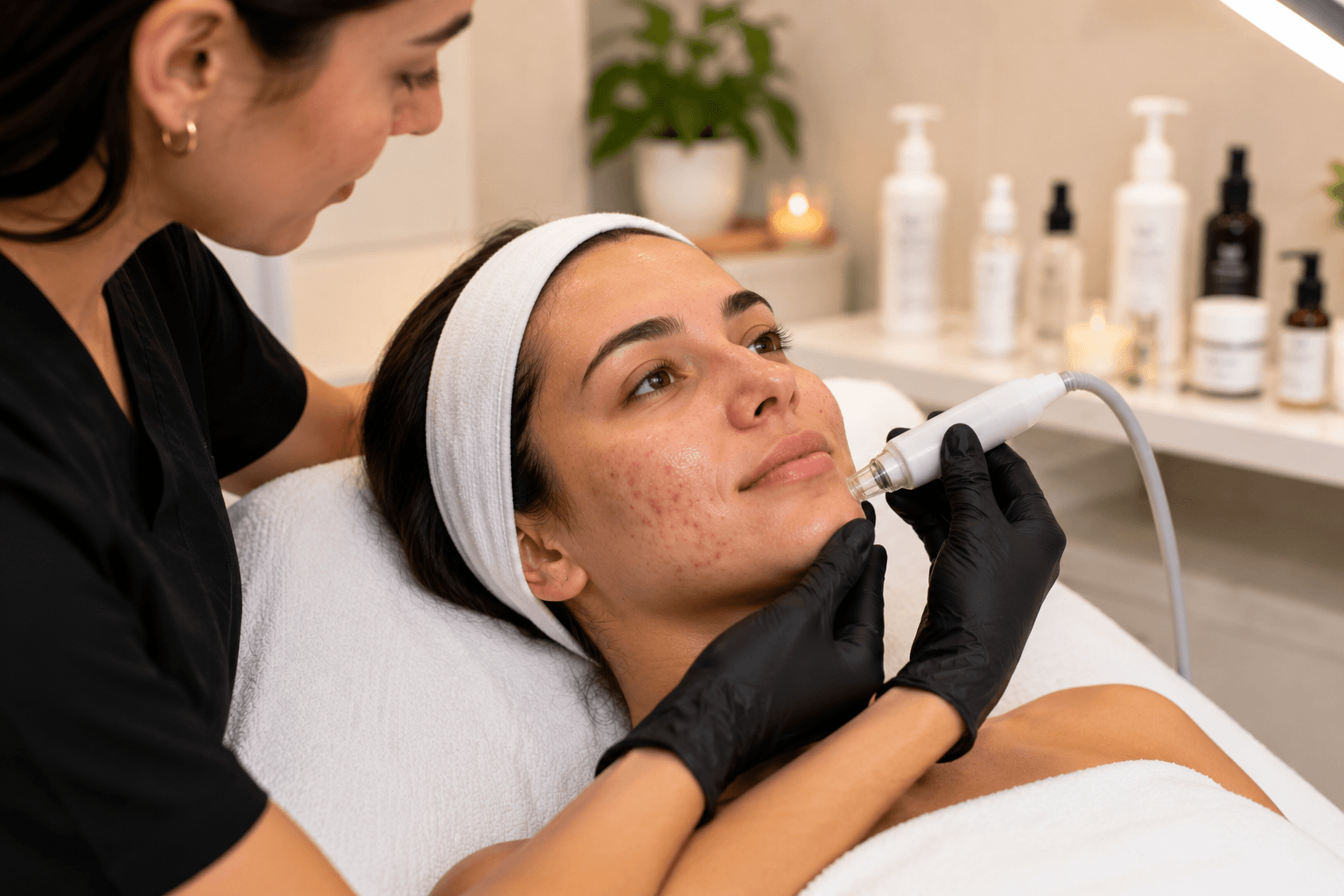
Dermaplaning is a manual exfoliation treatment performed by a licensed esthetician using a surgical grade blade held at a precise angle against the skin. In one gentle pass, it removes the top layer of dead skin cells along with that fine vellus hair, revealing the smoother, brighter skin underneath. There's no downtime, no discomfort, and no chemicals involved, which makes it one of the gentlest yet most immediately noticeable treatments available.
Because it physically removes buildup rather than dissolving it, dermaplaning also allows your serums and moisturizers to absorb more effectively afterward, so the rest of your routine works harder for you.
What Skin Concerns Can Dermaplaning Actually Help With?
Acne Scarring and Uneven Texture
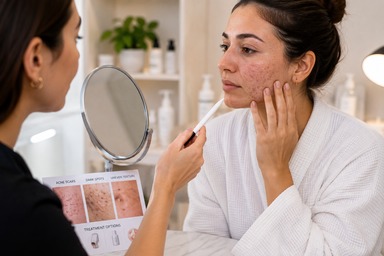
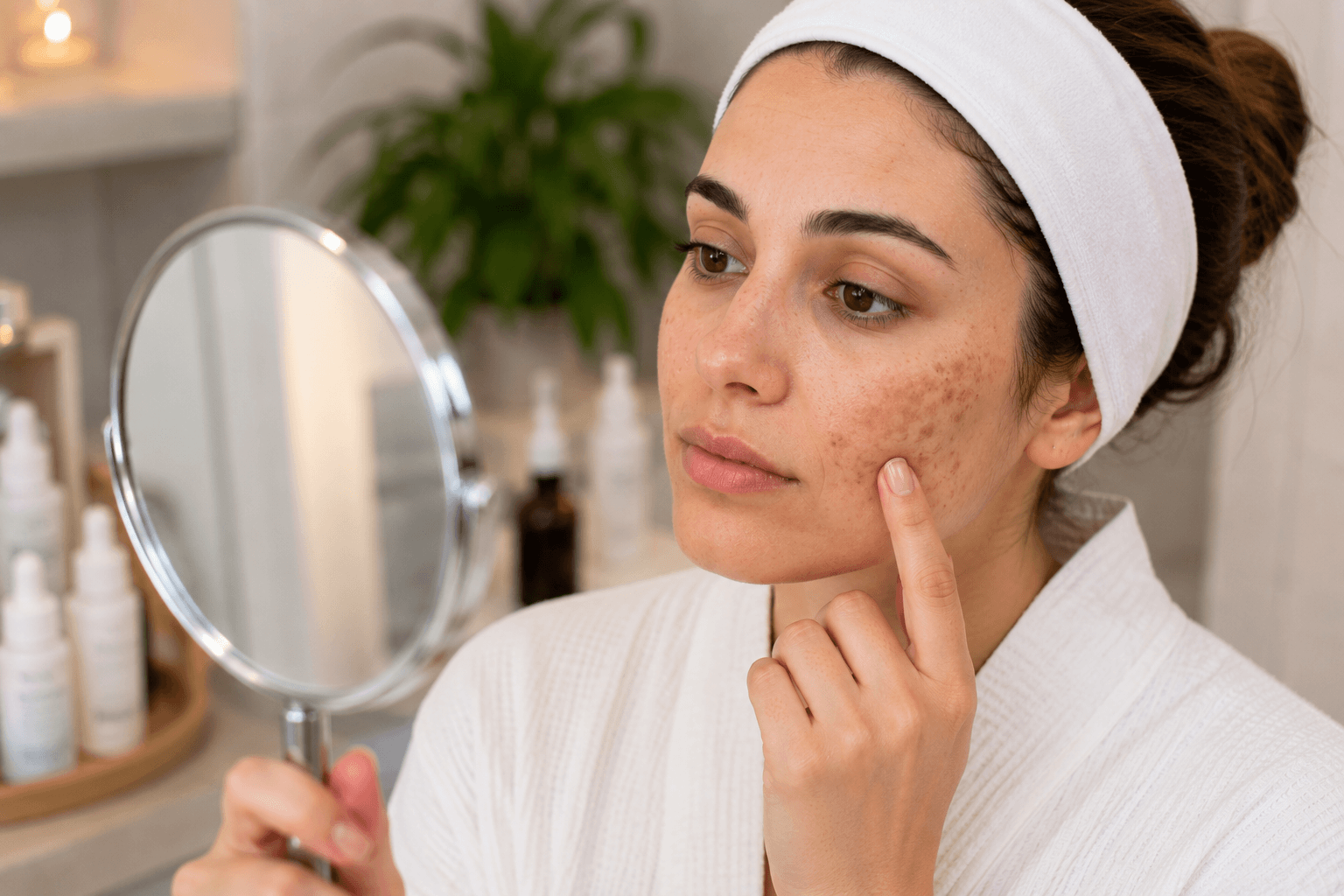
For clients dealing with the aftermath of breakouts, dermaplaning can soften the appearance of shallow acne scars and smooth out uneven texture by clearing away the surface layer that catches light unevenly.
Trapped Oil and Congested Pores
Removing dead skin and fine hair helps reduce the buildup that traps oil against the skin, which can make pores appear smaller and less congested over time.
Dull, Tired-Looking Skin
Because dermaplaning immediately reveals fresher skin, it's a favorite before big events for a reason. Clients consistently describe their skin as brighter and more radiant right after treatment.
Who Is a Good Candidate for Dermaplaning?
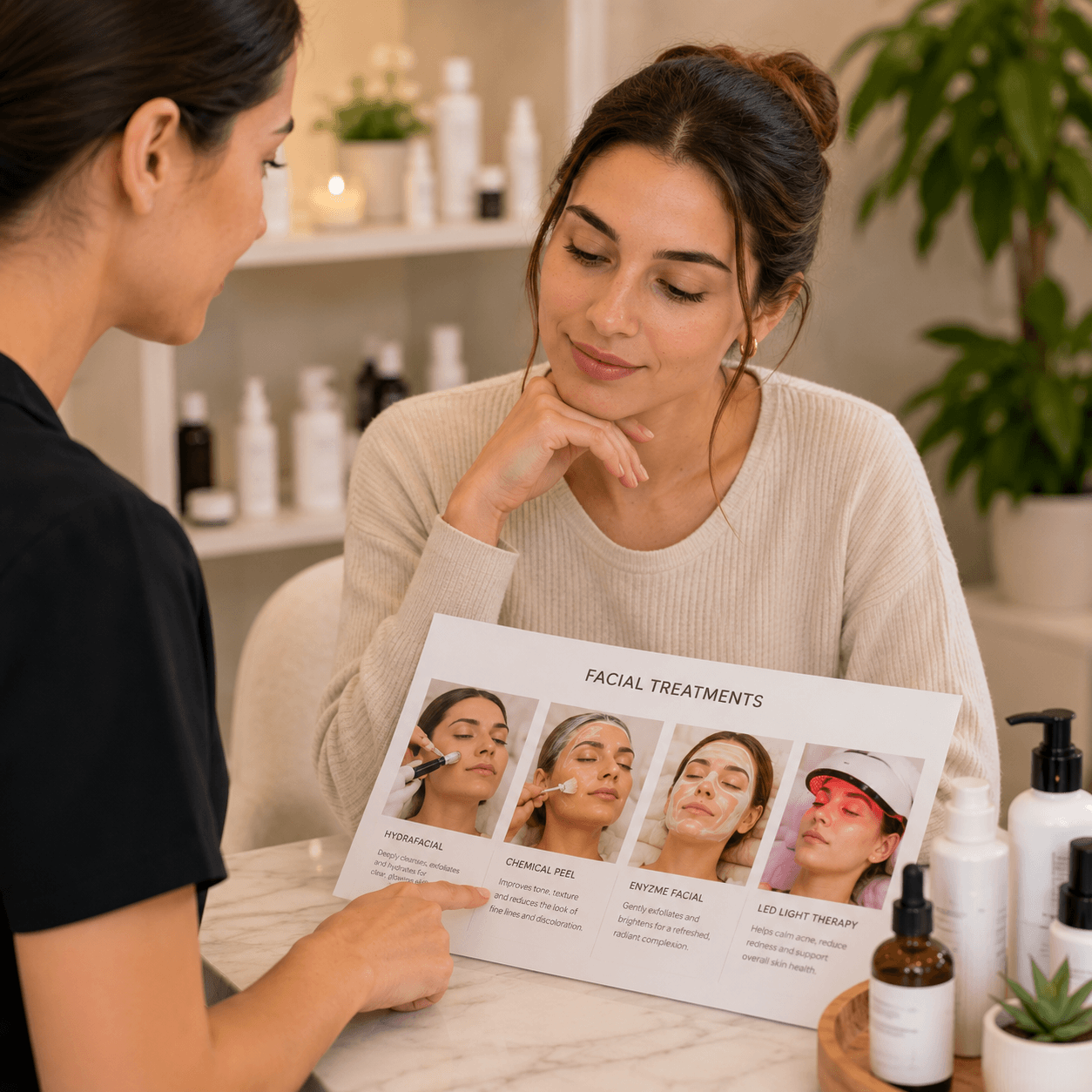
Dermaplaning is considered safe for most skin types and tones, and it's especially well suited for people with dry or rough texture, dullness, visible peach fuzz, or shallow acne scarring. It's generally not recommended for clients with active inflamed acne, since the blade can irritate breakouts. During your consultation at Glow On Studios, your esthetician will look closely at your skin and let you know honestly whether dermaplaning is the right fit or whether another treatment, like our HydraFacial or enzyme exfoliating treatment, might serve your skin better right now.
What Should You Expect During a Dermaplaning Treatment in Gold River, CA?
A typical dermaplaning session takes about 30 to 45 minutes. Your esthetician will cleanse your skin, then use gentle, feathering strokes with the blade across your face. Most clients describe the sensation as similar to a light scraping, not painful at all, and many find it relaxing. There's no peeling, no redness that lingers, and no need to plan around downtime, which is part of why it's such a popular lunchtime treatment for people working in and around Gold River and Sacramento.
Afterward, your skin will look immediately smoother and more radiant, and your esthetician can recommend a personalized homecare routine to help maintain results, often featuring products from our Lira Clinical or HydroPeptide lines available in our shop.
How Often Should You Get Dermaplaning?
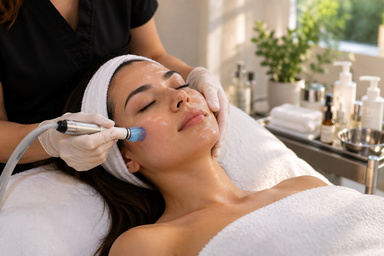
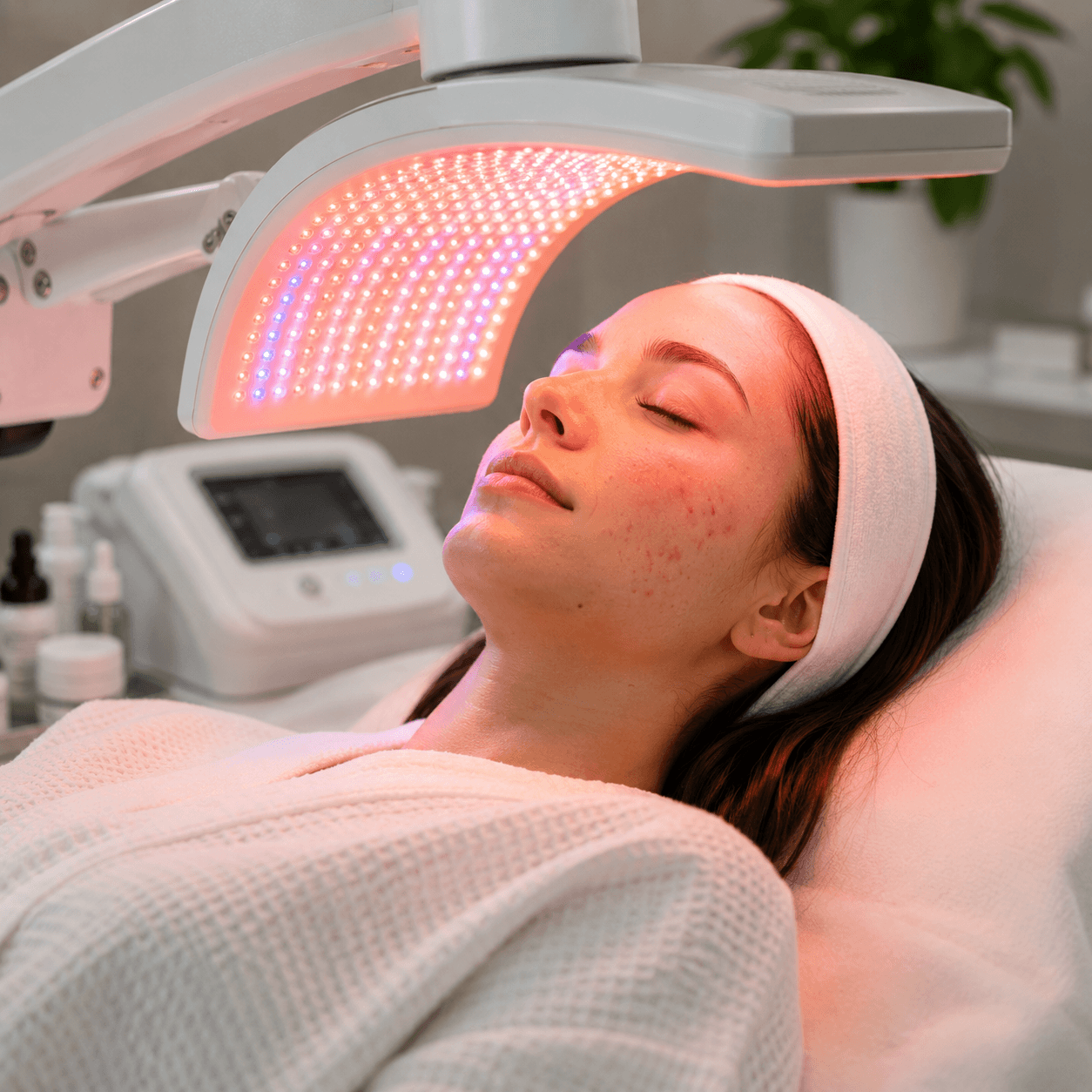
Because dead skin naturally regenerates, most clients see the best long term results by scheduling dermaplaning every three to four weeks, which lines up nicely with your skin's natural renewal cycle. Some clients pair it with other treatments, like LED light therapy, for an added boost.
Dermaplaning vs Other Exfoliation Treatments, Which Is Right for You?
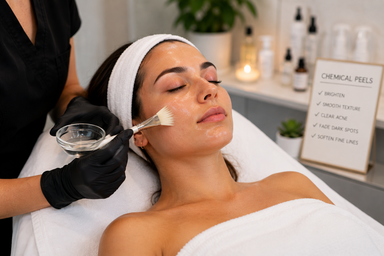
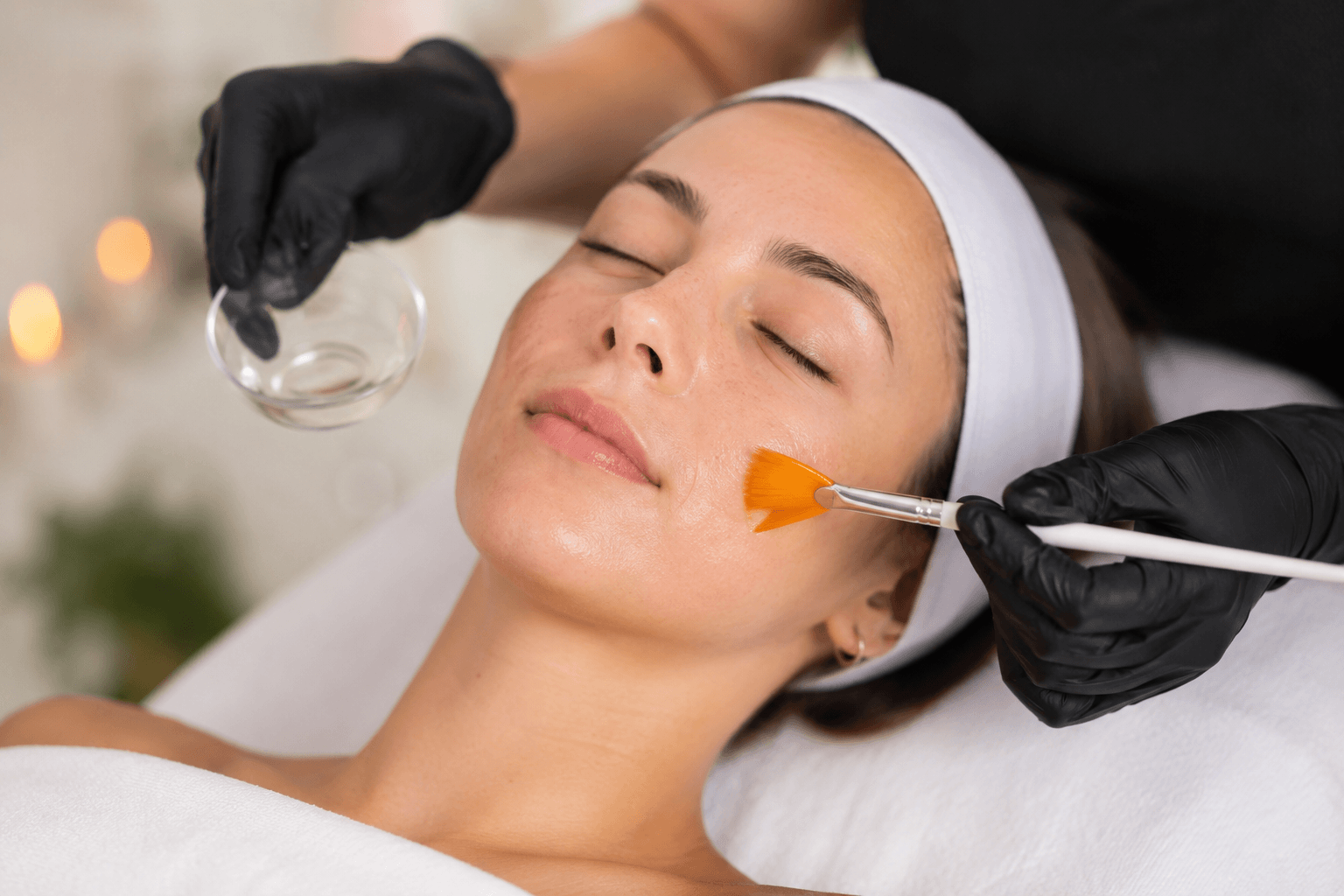
It's a fair question, especially with so many exfoliation options out there. Chemical peels work below the surface to address deeper concerns like hyperpigmentation and fine lines, while dermaplaning focuses on physically removing surface buildup and fine hair for immediate smoothness. Many clients actually alternate between the two, or combine dermaplaning with a resurfacing treatment for a more complete result. If you're not sure which approach fits your skin and your goals, that's exactly what a consultation is for.
Why Gold River and Sacramento Residents Choose Glow On Studios for Dermaplaning
Glow On Studios was founded by licensed esthetician Madeline, who understands firsthand what it feels like to struggle with your skin and want real answers instead of generic advice. Every treatment at our Gold River studio, located at 11230 Gold Express Drive, Suite 304, is personalized to your skin type and goals, not a one size fits all script. We proudly serve clients throughout Gold River and the greater Sacramento area who are ready to feel confident in their skin again.
You can see the kind of results our clients experience in our gallery, explore our full menu of services, or learn more about Madeline and our team before booking your first visit.
Frequently Asked Questions
Does dermaplaning hurt? No. Most clients describe it as a light scraping sensation, and many find the treatment relaxing. There's no pain and no downtime afterward.
Will dermaplaning make my facial hair grow back thicker or darker? No. This is one of the most common myths out there. Dermaplaning only removes the fine vellus hair at the surface, and it grows back the same texture and color it was before.
How long do dermaplaning results last? Most clients notice smoother, brighter skin for three to four weeks, which is why it's typically scheduled on a monthly basis for ongoing results.
Can I wear makeup after dermaplaning? Yes, and many clients notice their makeup applies more smoothly than usual since there's no longer dead skin or fine hair creating texture underneath.
Is dermaplaning safe for sensitive skin? It's often a good option for sensitive skin since there are no chemicals involved, but it's best assessed during a consultation so your esthetician can confirm it's right for your specific skin.
This page was updated in August 2026 to reflect our current dermaplaning offerings at Glow On Studios in Gold River, CA.
So, Ready to Meet Your Actual Skin Again?
Underneath the dullness and texture is skin that's brighter, smoother, and honestly a little surprised to finally get some attention. If you're in Gold River, Sacramento, or anywhere nearby and you're ready to stop guessing and start seeing real results, book a consultation with Glow On Studios and let's get you glowing again.
.svg)
.svg)
.svg)