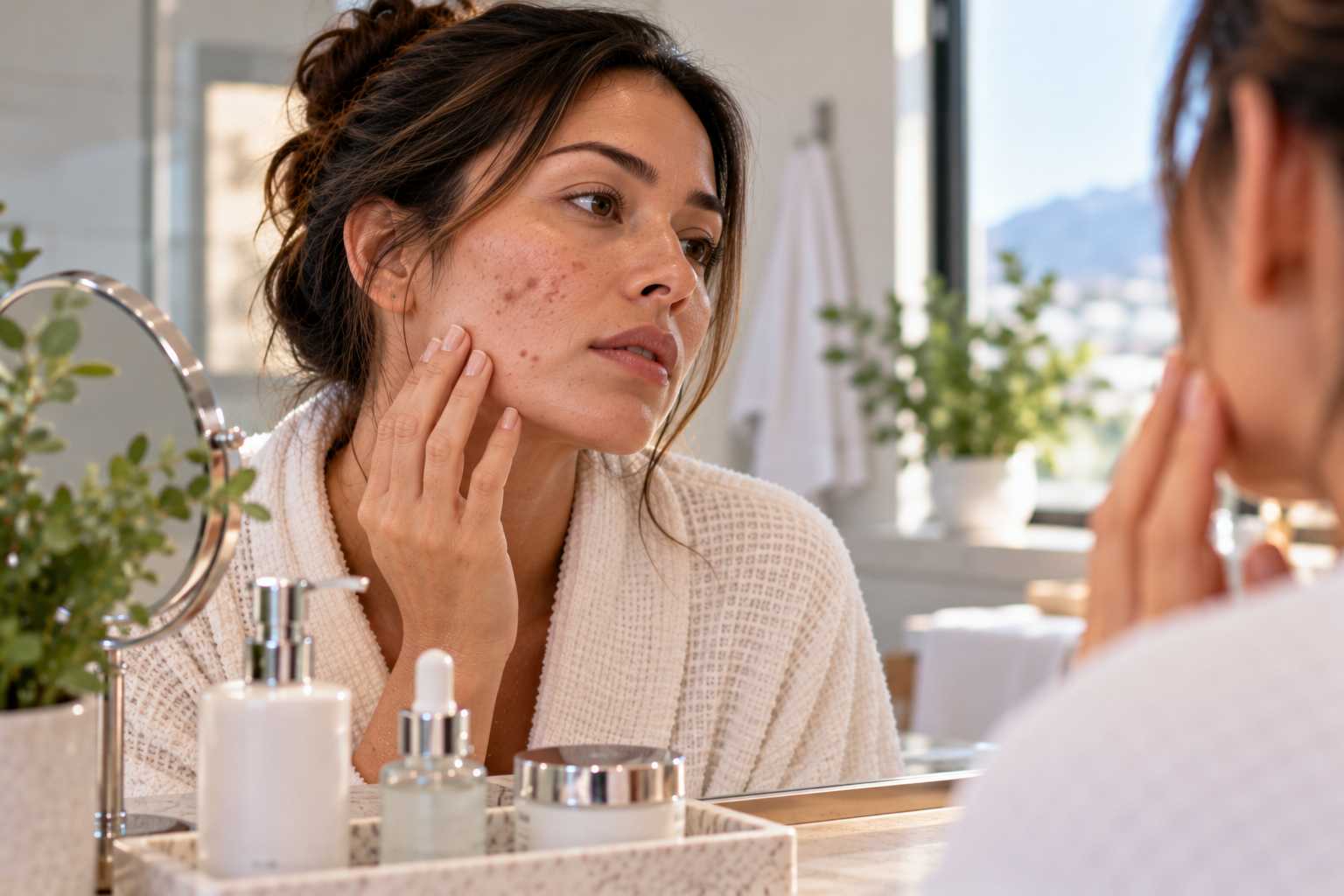
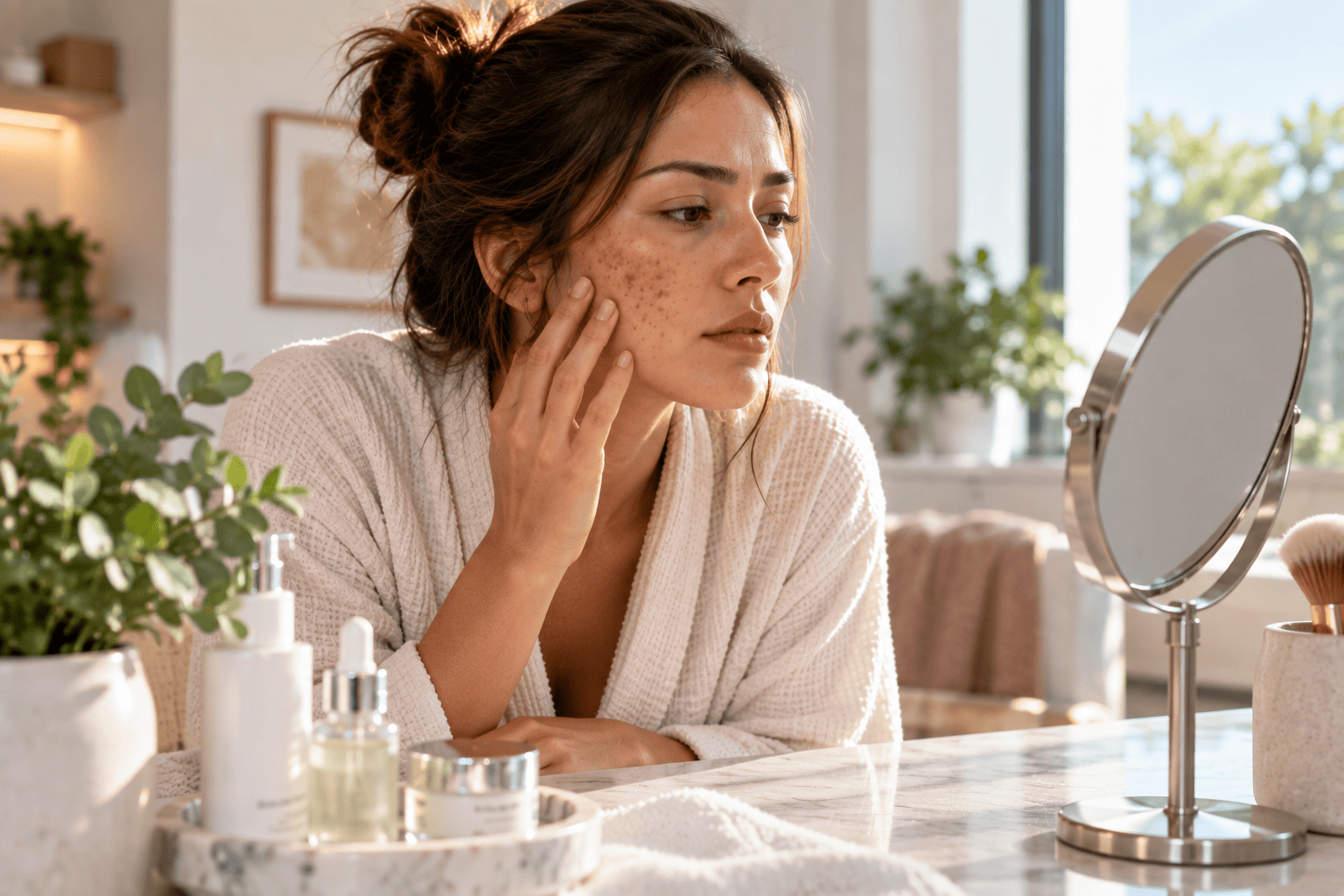
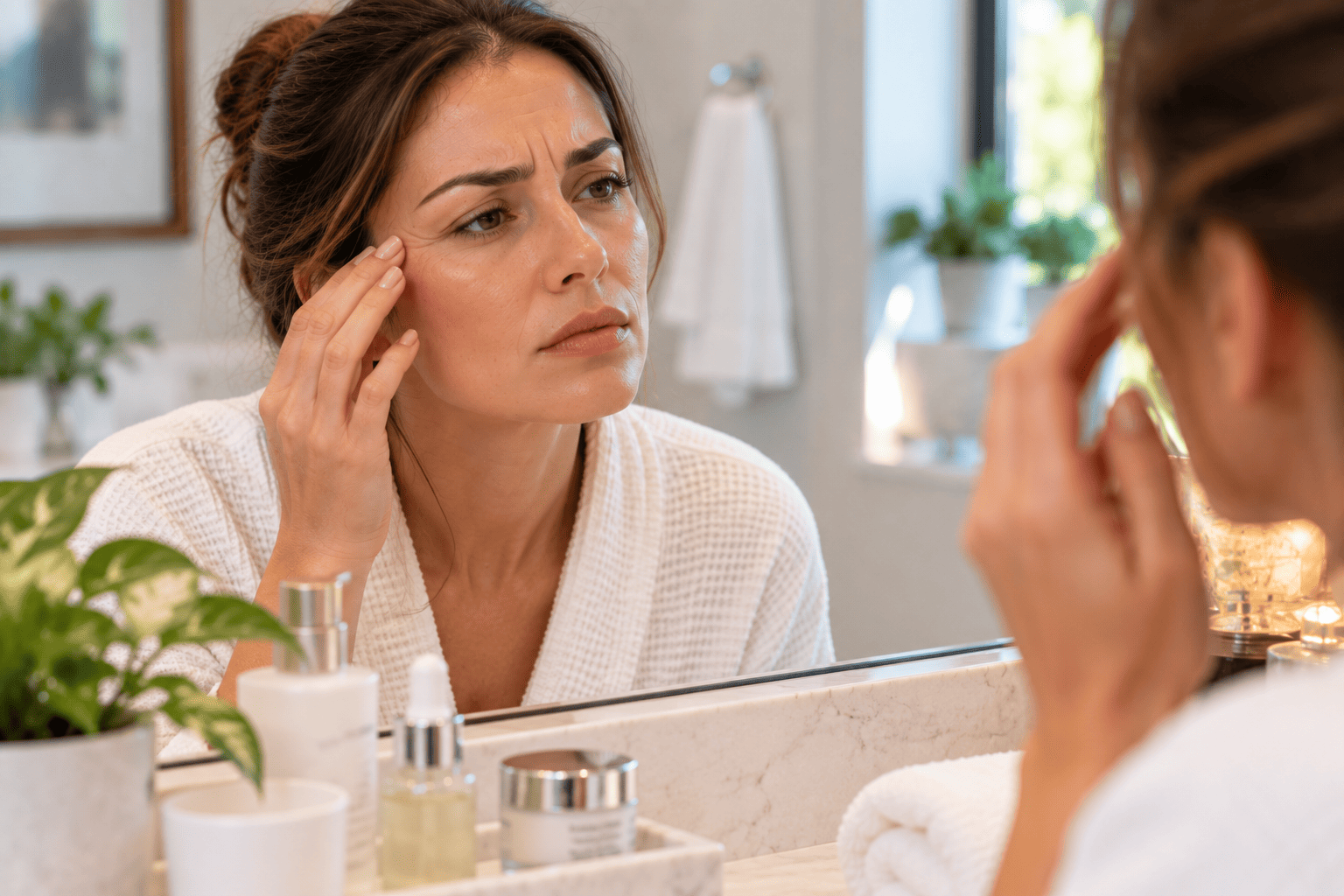
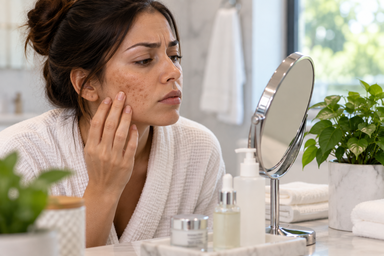
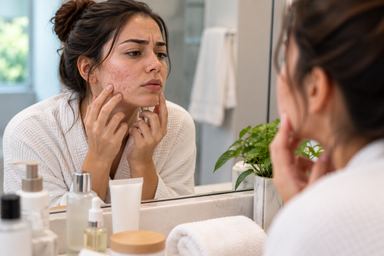
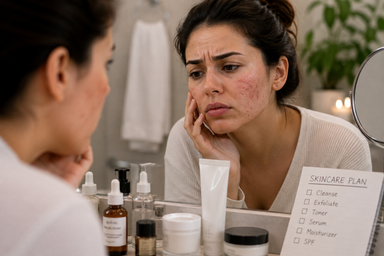
Your foundation looks cakey by noon. Your skin feels a little rough no matter how much moisturizer you use. Maybe you have noticed some peach fuzz catching the light in photos. You want smoother, brighter skin, but you are not ready for a peel, and you definitely do not want to scrub your face raw.
That is where gentle professional exfoliation comes in. At Glow On Studios, a skincare studio in Gold River that welcomes clients from all over Sacramento, two of the most popular gentle options are dermaplaning and the Enzyme Exfoliating Treatment. They sound similar, and both leave skin feeling smoother, but they work in very different ways. Here is how to decide which one fits your skin, your routine, and your goals.
What Is Dermaplaning, and How Does It Work?
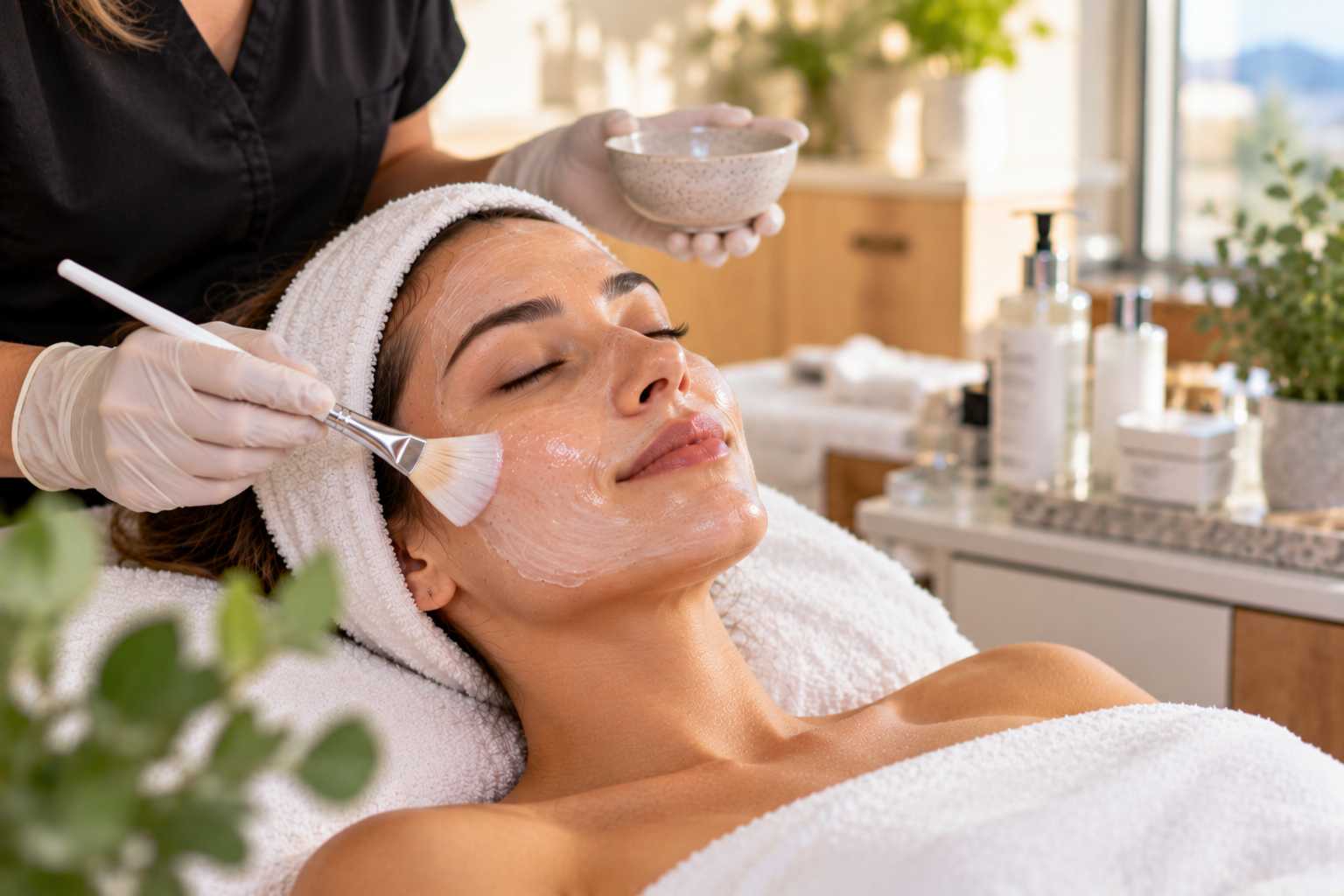
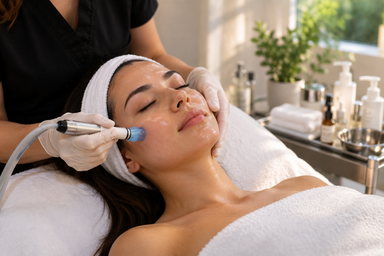
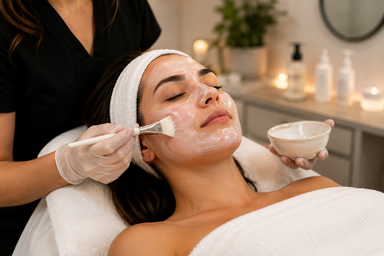
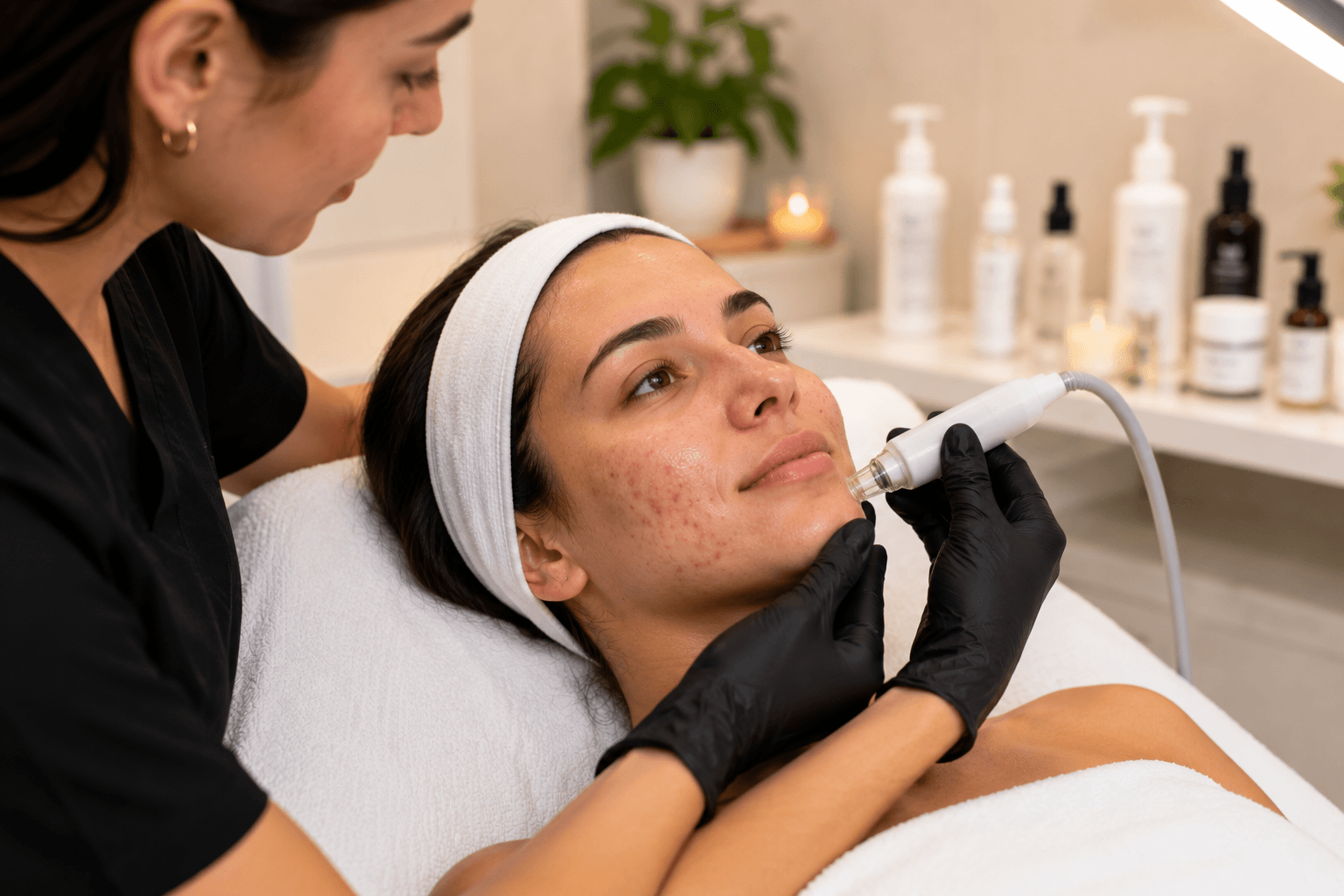
Dermaplaning is a non-invasive treatment that uses a sterile, specialized blade to gently remove dead surface cells and fine facial hair, often called peach fuzz. It is a form of physical exfoliation that does not use chemical exfoliants, so it suits people who want smoother skin without acids or scrubs.
At Glow On, dermaplaning is designed for peach fuzz, dry or flaky areas, rough texture, and dullness. Because it clears away that top layer of buildup and fine hair, skincare products can absorb more effectively and makeup tends to glide on more evenly.
Does dermaplaning make hair grow back thicker?
No. This is one of the most common myths. Fine facial hair removed during dermaplaning grows back the same texture and color as before. It does not come back thicker or darker.
Who should hold off on dermaplaning for now?
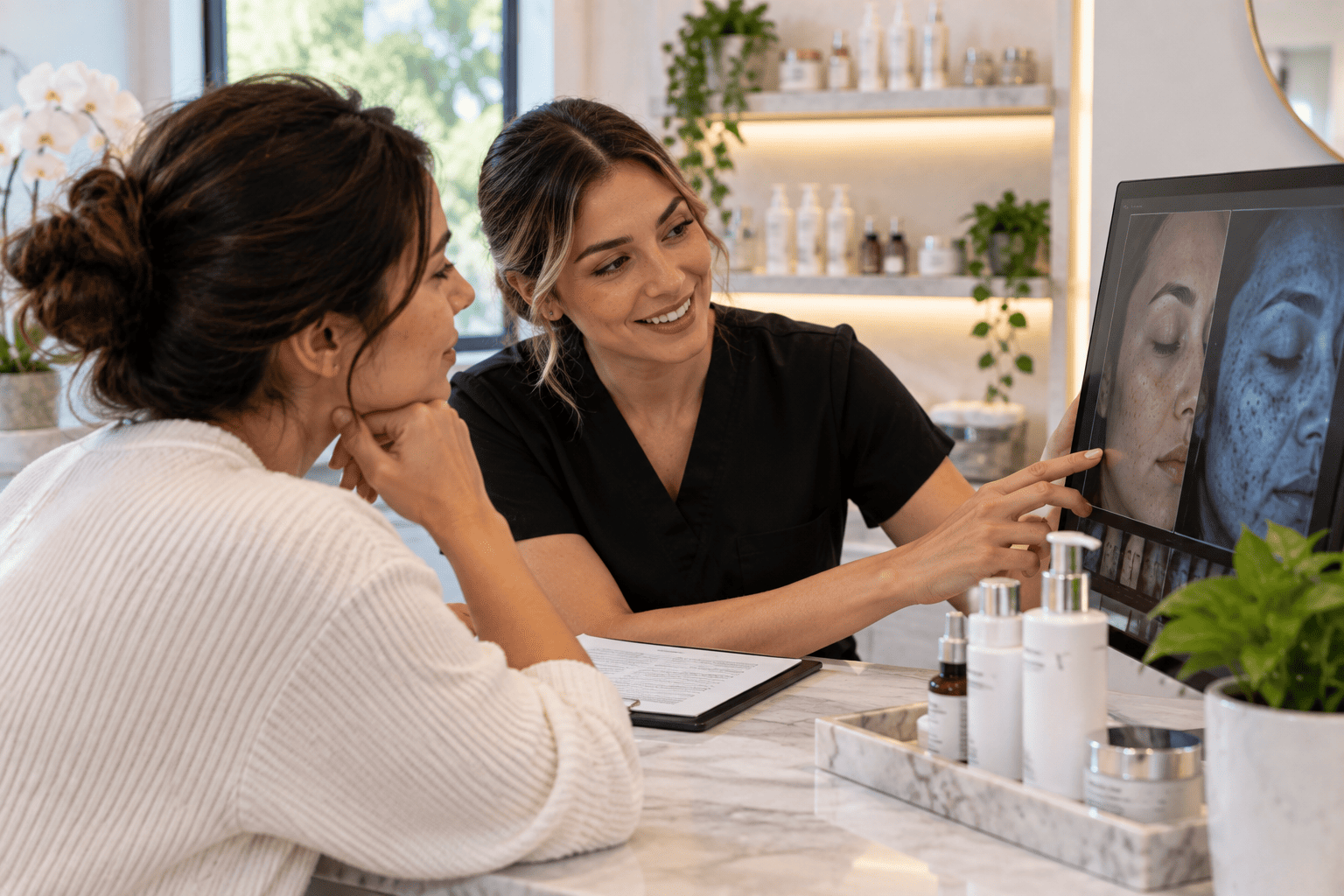
Dermaplaning is not the right fit for every skin on every day. Your esthetician may suggest waiting or choosing another treatment if your skin is currently irritated, sunburned, or very reactive, or if you have active breakouts in the area. If you use prescription retinoids or isotretinoin, mention it during your consultation, since those medications can make skin more sensitive to exfoliation. This is exactly why Glow On builds every plan after looking at your skin in person rather than recommending the same treatment to everyone.
What Is an Enzyme Exfoliating Treatment?
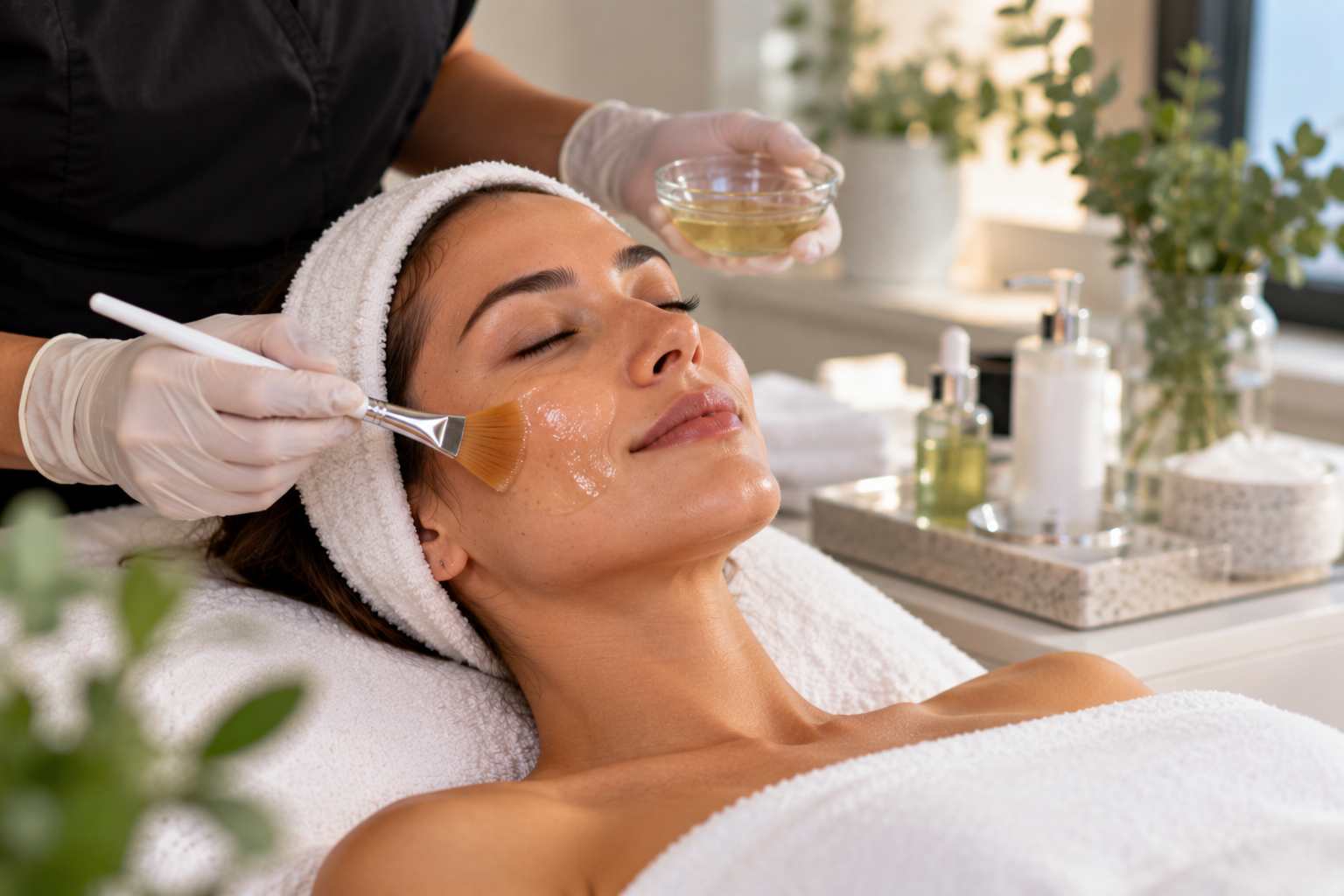
An Enzyme Exfoliating Treatment uses enzymes to loosen and lift away dead surface cells without relying on more intensive resurfacing. It is a gentle option for dull skin, mildly congested pores, and dry or flaky buildup.
The Enzyme Exfoliating Treatment at Glow On is suitable for many skin types and is often chosen by people who prefer a softer approach to exfoliation. Most people go right back to their usual activities afterward, though some temporary sensitivity or mild redness is possible.
How Do Dermaplaning and Enzyme Exfoliation Compare?
Dermaplaning physically removes surface cells and peach fuzz, while enzyme exfoliation dissolves surface buildup without a blade. Dermaplaning is the better pick if fine facial hair and makeup application are your main concerns; enzyme exfoliation is often better for congested pores or anyone who wants an ultra-gentle refresh.
Dermaplaning vs. Enzyme Exfoliating Treatment: What's the Difference?
Both dermaplaning and enzyme exfoliating treatments help improve skin texture and remove surface buildup, but they work differently and address different skin concerns.
- Dermaplaning: Uses a sterile blade to gently remove dead skin cells and fine facial hair, also known as peach fuzz. It is ideal for flaky patches, rough texture, and creating a smoother surface for makeup application. The treatment is generally comfortable, with little to no downtime, although skin may feel temporarily sensitive.
- Enzyme Exfoliating Treatment: Uses enzymes to loosen and lift dead skin cells and surface buildup without removing facial hair. It is often suitable for dull skin, mild congestion, and dry buildup. The treatment is generally gentle, although some people may experience mild tingling or temporary redness.
Which Treatment Is Better for Breakout-Prone Skin?
The best option depends on your skin's condition and sensitivity. Dermaplaning may be appropriate for certain skin types, but it is generally avoided over active, inflamed acne. Enzyme exfoliation can be a gentler option for some people with congested or breakout-prone skin.
Your esthetician can help determine which treatment best suits your skin goals and may recommend combining treatments over time for a more personalized skincare approach.\
Why Do So Many Women Love Dermaplaning?
Many women choose dermaplaning because it creates a smooth canvas for makeup and gets rid of peach fuzz that can make foundation look textured. The instantly smoother feel is a big part of its appeal.
If you wear makeup daily, you have probably noticed foundation clinging to dry patches or fine hair. After dermaplaning, makeup often applies more evenly and looks more natural. A few practical tips:
- Plan dermaplaning a few days before a photo shoot or event, not the day of, in case your skin feels a little sensitive.
- Skip makeup for the first 24 hours after any facial at Glow On.
- Clean your makeup brushes often, especially after treatment.
- Hold off on retinoids, exfoliating acids, scrubs, and cleansing brushes until your skin is ready.
Is Dermaplaning a Good Option for Men?
Dermaplaning is mainly a treatment for fine facial hair and surface texture, so it is less commonly used on the beard area. For men, an Enzyme Exfoliating Treatment is often a more practical way to refresh dull skin and help with congested pores.
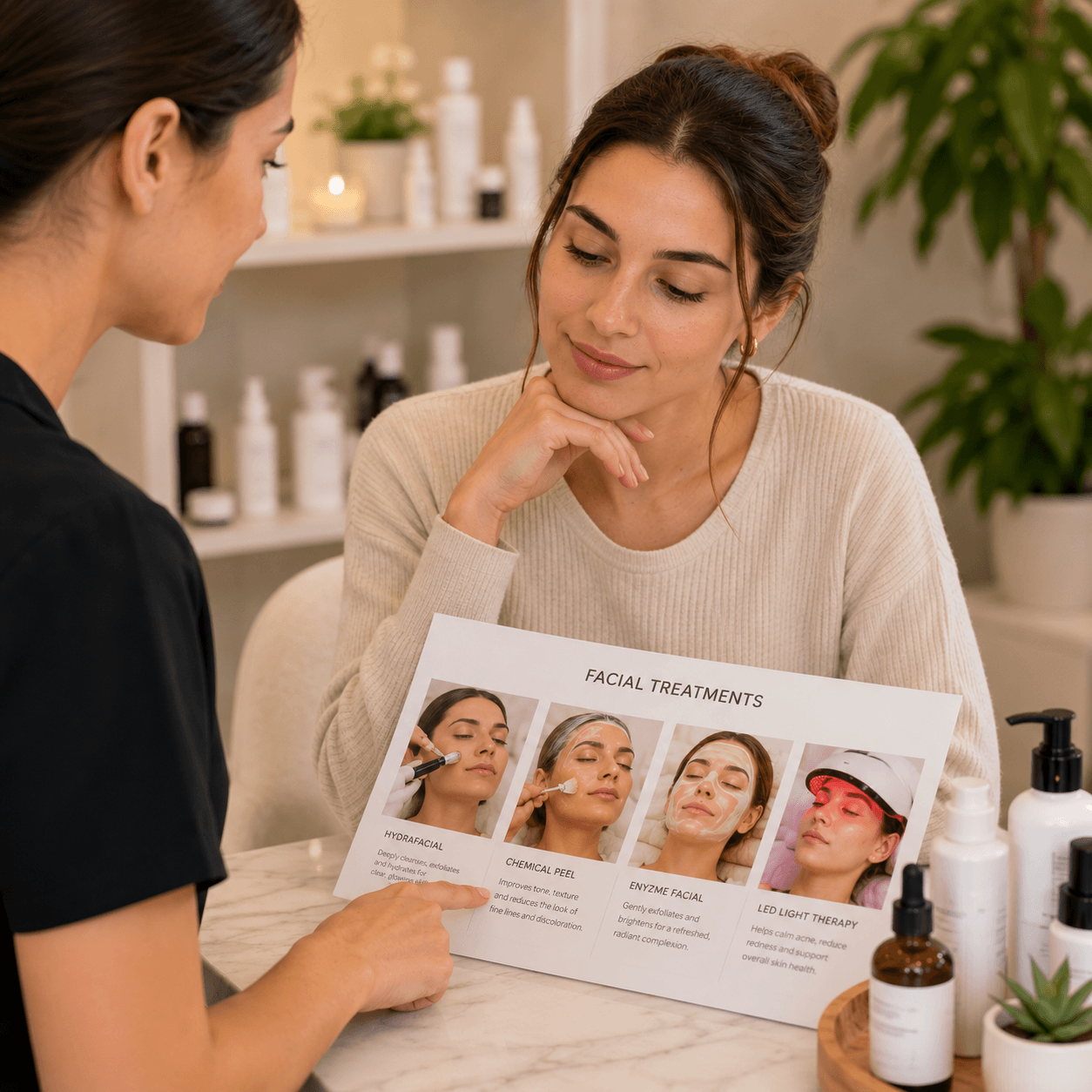
Men already shave regularly, which provides some physical exfoliation in the beard area, but the forehead, nose, and cheeks can still get rough, oily, or congested. Your esthetician will look at your skin and shaving routine together and recommend the best fit, whether that is enzyme exfoliation, a HydraFacial, or another option on the service menu.
Which Option Is Better for Gen Z and Sensitive Skin?
For younger clients with sensitive or reactive skin, the Enzyme Exfoliating Treatment is often a gentle first step. Many younger adults have already irritated their skin with harsh scrubs or too many acids, and gentle professional exfoliation can help reset things without adding more stress.
The American Academy of Dermatology warns that scrubbing and harsh treatments can make breakouts worse. That is a good reason to leave the strong DIY exfoliation behind and let a licensed esthetician choose the right approach.
Can Dermaplaning Help With Acne Scars?
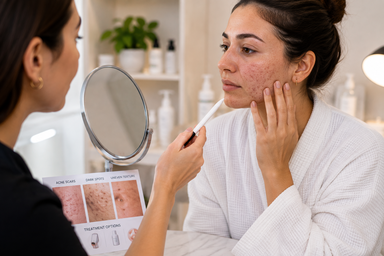
Dermaplaning does not treat acne scars. It can help the skin's surface look and feel smoother, which may make overall texture appear more even, but it does not change indented scars.
If acne scars or post-acne marks are your main concern, your esthetician may recommend the Resurfacing Chemical Peel or BioRePeel instead. And if you have active breakouts, your esthetician will decide during your consultation whether dermaplaning is suitable right now.
How Does Sacramento's Climate Affect Exfoliation?
Sacramento's hot, dry summers and cooler, drier winter air can both leave skin feeling rough and flaky. Gentle exfoliation helps clear away that buildup so your moisturizer can do its job.
The key is not to overdo it. After any exfoliating treatment, keep your routine gentle, hydrate, and wear broad-spectrum sunscreen daily. Avoid extended direct sun right after dermaplaning. The American Academy of Dermatology's dry skin tips also recommend gentle cleansers and daily moisturizer to support a healthy skin barrier.
Frequently Asked Questions About Dermaplaning in Sacramento
Does dermaplaning hurt?
Dermaplaning is generally comfortable. Most people feel a light scraping sensation and nothing painful.
Will my peach fuzz grow back thicker after dermaplaning?
No. Fine facial hair grows back with the same texture and color it had before treatment.
How often should I get dermaplaning?
Frequency is set by your esthetician based on your skin and goals. Many people schedule it as part of a regular maintenance routine.
Is enzyme exfoliation good for sensitive skin?
It is often a gentle option for people who prefer a softer approach. Your esthetician will confirm it is right for your skin during your consultation.
Can I wear makeup after dermaplaning?
Glow On recommends skipping makeup for 24 hours after any facial. After that, makeup typically goes on smoother.
What is the difference between dermaplaning and a chemical peel?
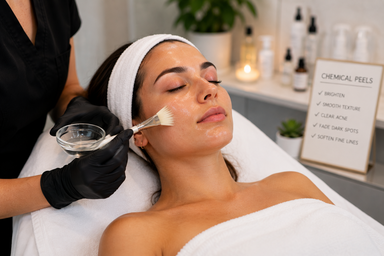
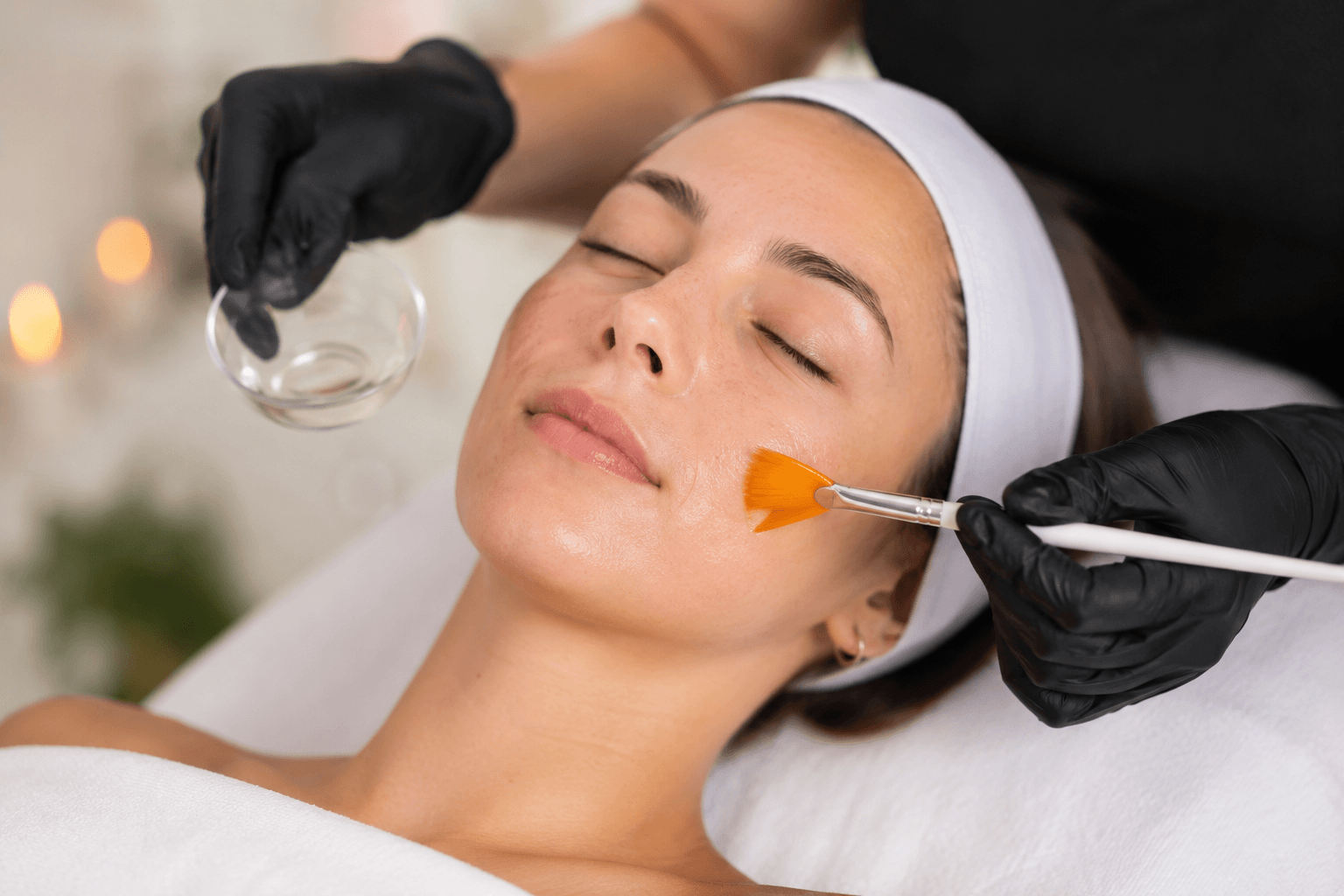
Dermaplaning physically removes dead skin and peach fuzz with a blade, while a chemical peel uses an exfoliating solution and is better suited to discoloration and post-acne marks.
Smooth Moves Only
Whether you want a flawless makeup canvas or a gentle refresh for congested skin, there is a professional exfoliation option made for you. The right choice comes down to your skin, your routine, and how your skin responds, and that is exactly what your consultation is for.
Book your visit at Glow On Studios, 11230 Gold Express Drive in Gold River, an easy drive from Sacramento. Schedule online or check out the before and after gallery. See you in the treatment room!