Updated July 2026
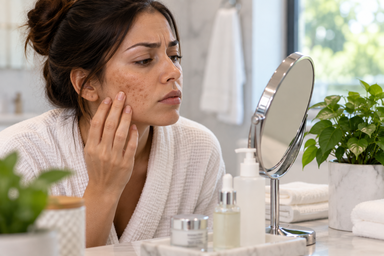
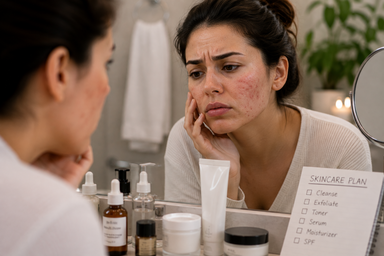
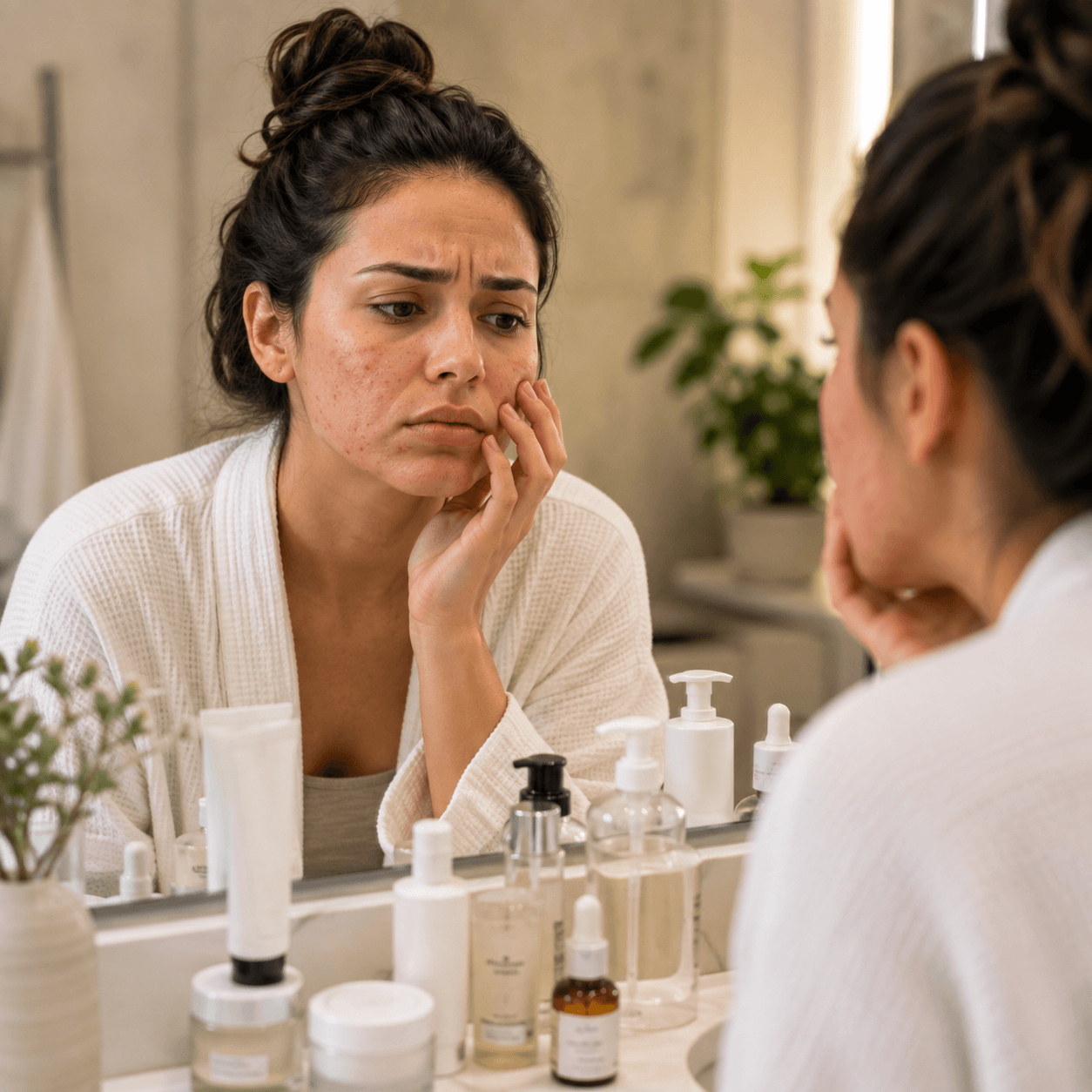
You've been consistent with your skincare, you wear sunscreen most days, and yet that dark patch on your cheek or the shadow left behind from an old breakout just won't budge. If this sounds familiar, the issue likely isn't your effort. It's that surface-level products can only do so much against pigmentation that sits deeper in the skin. Understanding why dark spots are so stubborn is the first step toward a hyperpigmentation treatment plan that actually works.
Why Dark Spots Are Harder to Treat Than Other Skin Concerns
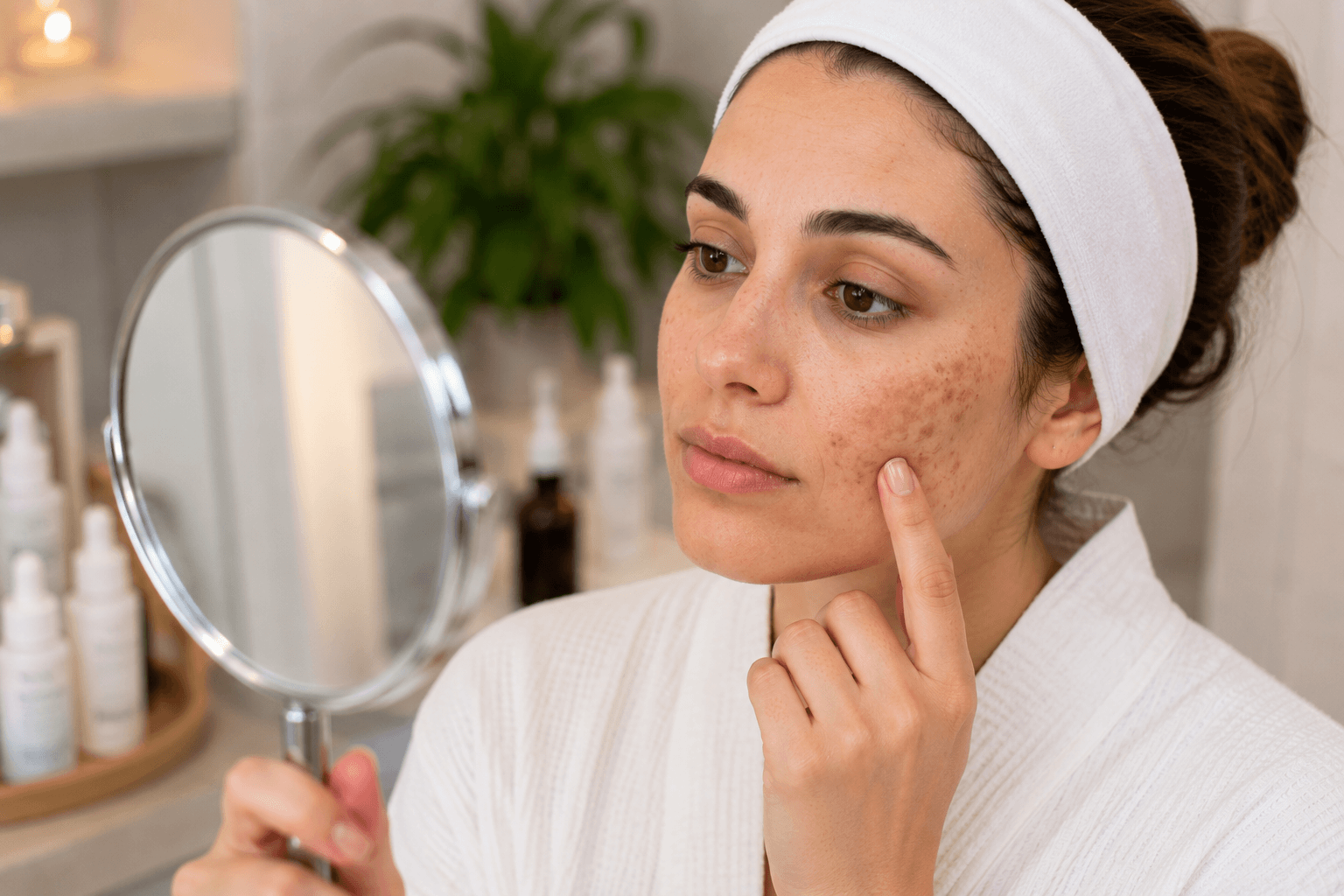
Unlike general dullness or dryness, hyperpigmentation involves excess melanin production that occurs below the skin's surface. Topical brightening serums can fade the very top layer over time, but they rarely reach deep enough to make a significant dent in more established discoloration. This is exactly why so many people feel like they've "tried everything" with little to show for it.
Not All Dark Spots Are the Same
Before treating pigmentation, it helps to understand which type you're actually dealing with, since the cause affects how stubborn it will be.
Sun-Induced Pigmentation
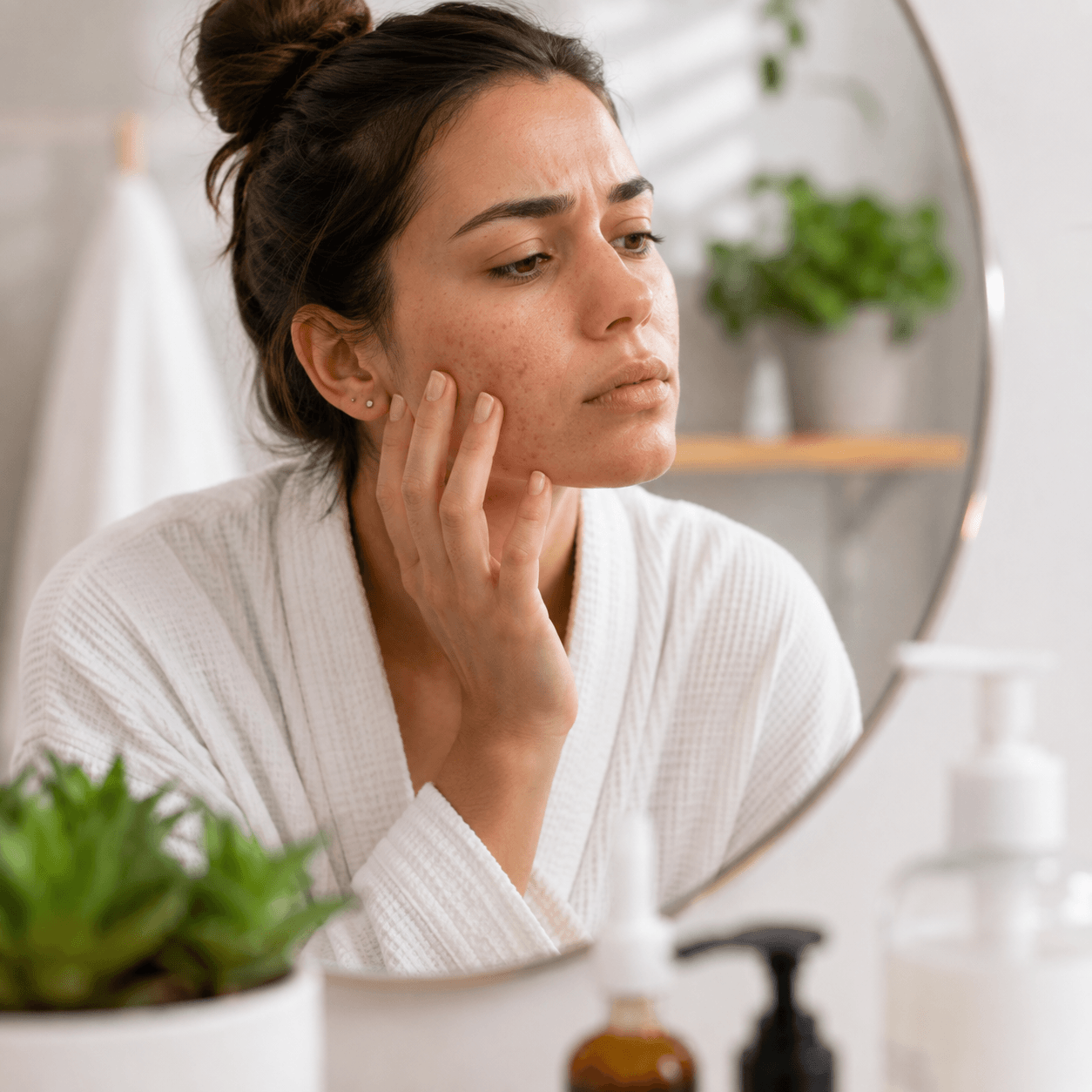
Often appears as small, scattered spots on areas with the most sun exposure, like the cheeks, forehead, and hands.
Post-Inflammatory Hyperpigmentation
The flat, discolored marks left behind after a breakout, cut, or skin irritation heals.
Melasma
Larger, more symmetrical patches often linked to hormonal changes, which can be more resistant to treatment and prone to returning.
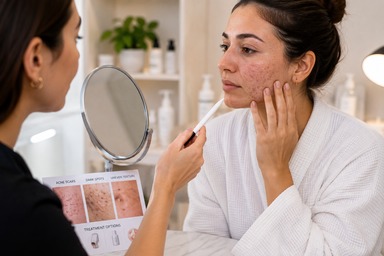
Your esthetician can help identify which type you're dealing with, since melasma in particular requires a gentler, more patient approach than sun spots or post-acne marks.
Why Your Current Routine Might Be Plateauing
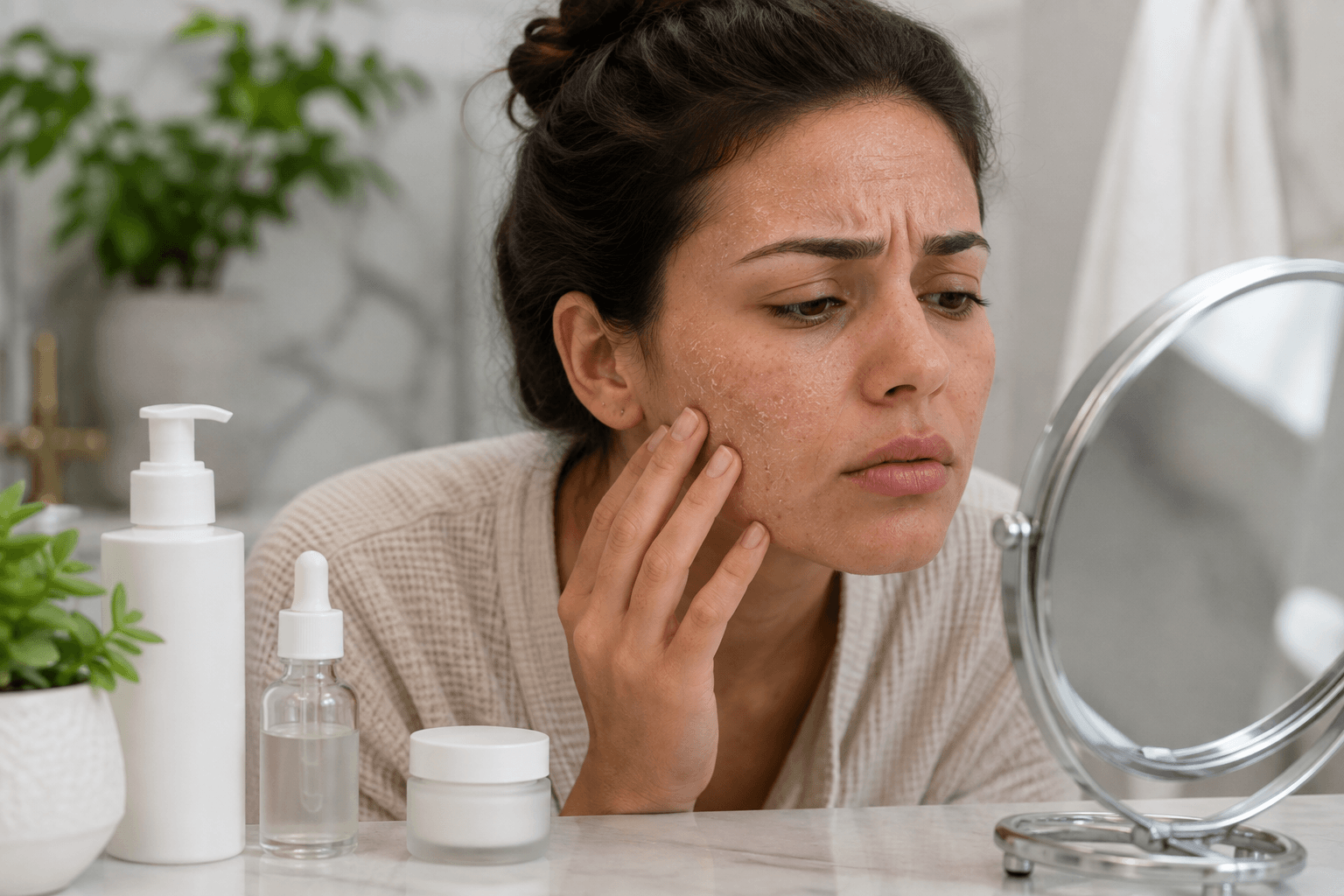
If you've hit a wall with brightening serums, it's often because at-home products are formulated at concentrations too low to meaningfully accelerate cell turnover. Your skin essentially reaches a plateau where the same products stop producing new improvement, no matter how consistently you use them.
What Actually Moves the Needle
Chemical Peels
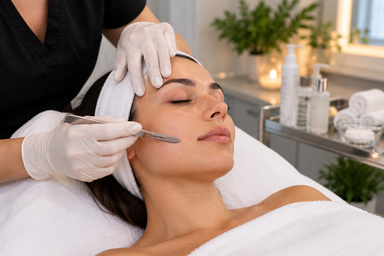
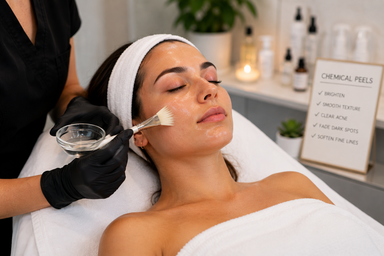
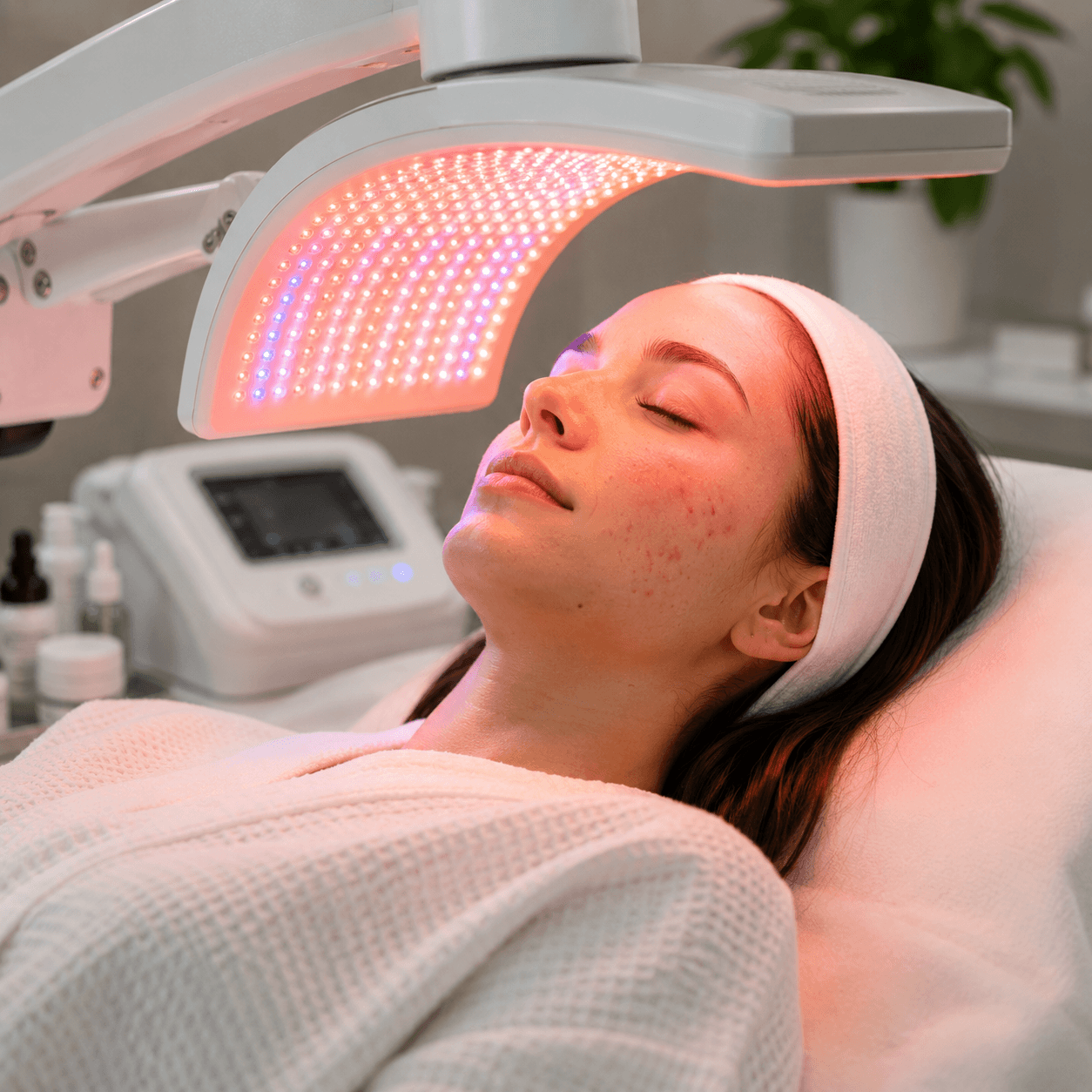
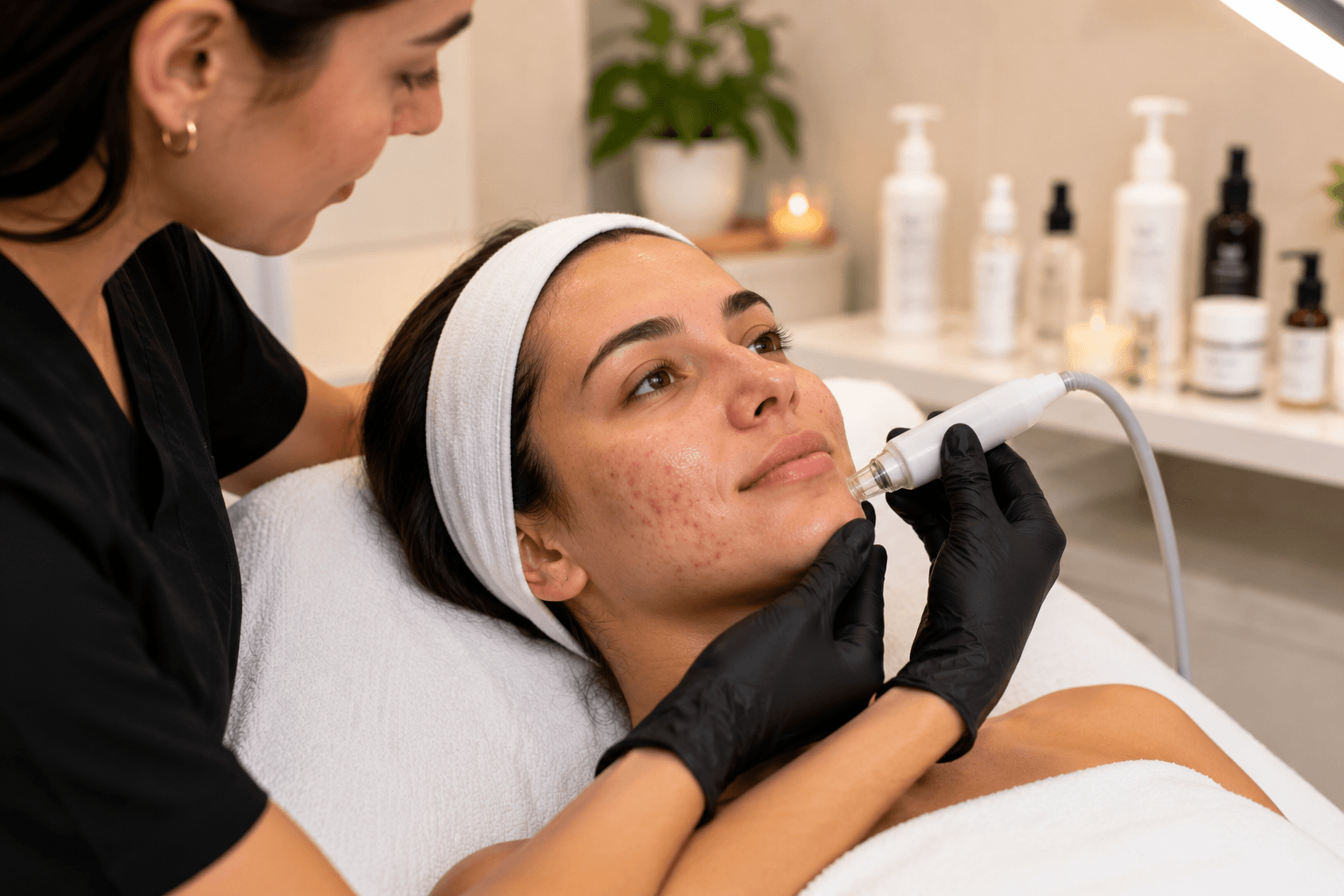
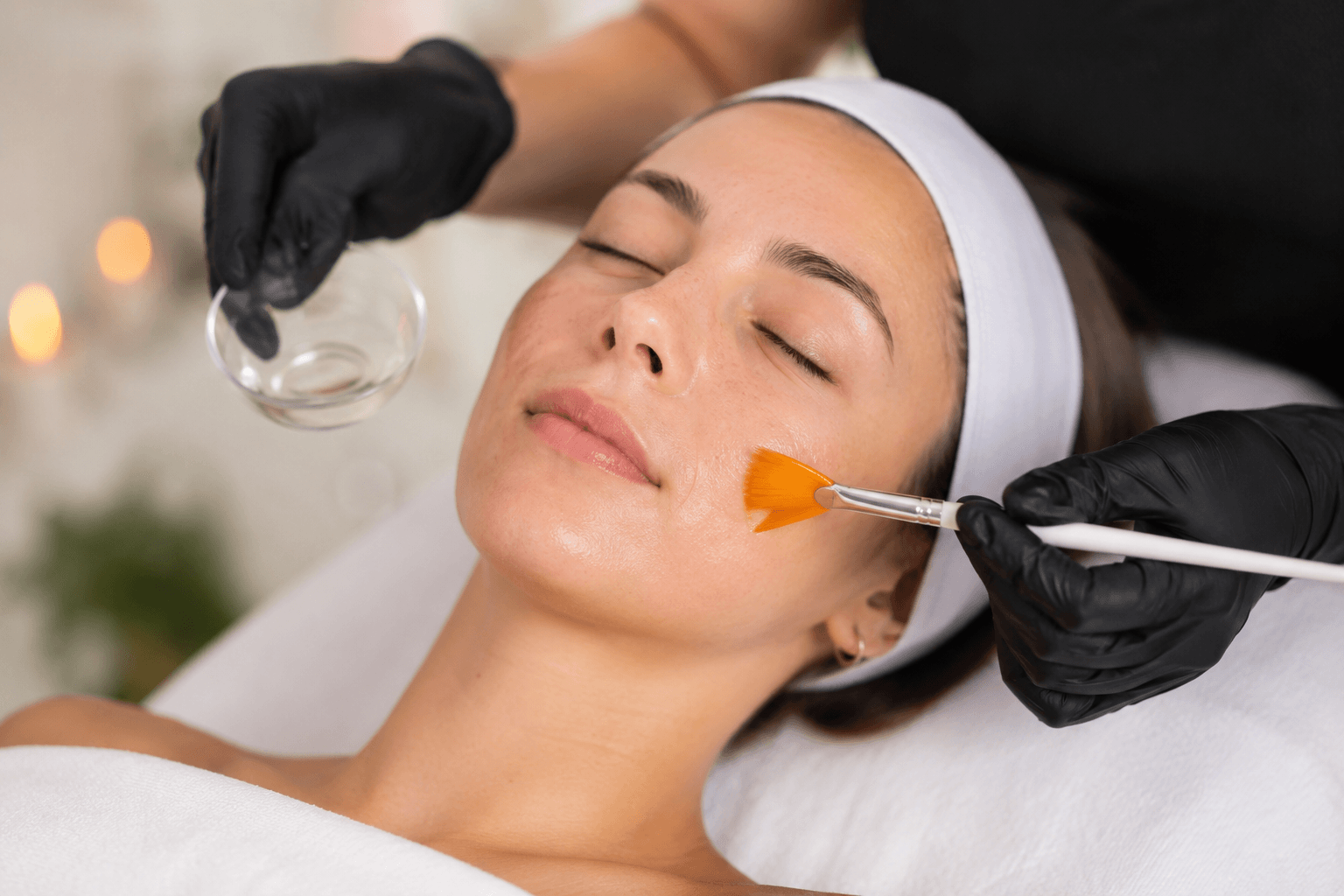
A chemical peel encourages faster, deeper cell turnover than at-home exfoliants can achieve, which is often the key to finally making progress on established dark spots.
Brightening Facials
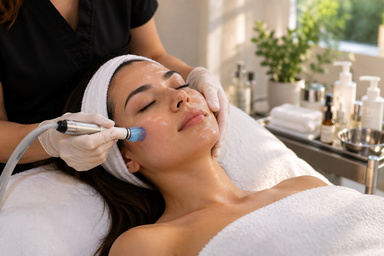
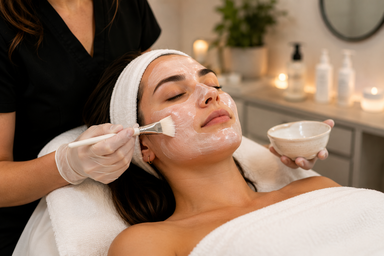
Facials formulated with pigmentation-targeting ingredients can help calm inflammation while supporting a more even tone over time.
Consistent Sun Protection
This isn't optional. Sun exposure actively stimulates melanin production, meaning unprotected skin can undo weeks of professional treatment in a single day outdoors.
What a Real Hyperpigmentation Treatment Timeline Looks Like
- Weeks 1 to 3: Initial sessions begin encouraging cell turnover. Some brightening may be visible, but this is just the starting point.
- Weeks 4 to 8: More noticeable fading typically develops as new, healthier skin cells replace pigmented ones.
- Months 2 to 3: For deeper or more stubborn pigmentation, continued sessions help lock in visible, lasting improvement.
Patience matters here. Pigmentation that took months or years to develop is not going to disappear in a single appointment, but consistent professional treatment moves things along significantly faster than at-home care alone.
The Acne and Pigmentation Connection
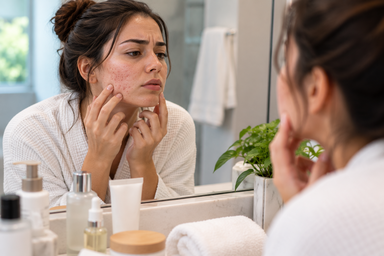
If your dark spots trace back to old breakouts, addressing any ongoing acne treatment needs at the same time is important. Treating pigmentation while active acne is still creating new marks means you're essentially working against yourself. A combined approach tends to produce far better results than treating either concern in isolation.
Why Melasma Needs a Different Approach
If your pigmentation shows up as larger, more symmetrical patches, particularly around the upper lip, cheeks, or forehead, it may be melasma rather than sun damage or acne marks. Melasma is more sensitive to aggressive treatment and can actually worsen with too much heat or irritation, which is why a gentler, more gradual approach and close guidance from your esthetician matters even more.
The One Habit That Determines Whether Treatment Actually Works
Daily SPF is the single biggest factor in whether your hyperpigmentation treatment results last. Even one unprotected day at the beach or a long afternoon outdoors can reactivate melanin production in previously treated areas, essentially resetting your progress. If you take away nothing else from this guide, make sunscreen a daily non-negotiable.
Finding the Right Approach in Gold River or Sacramento
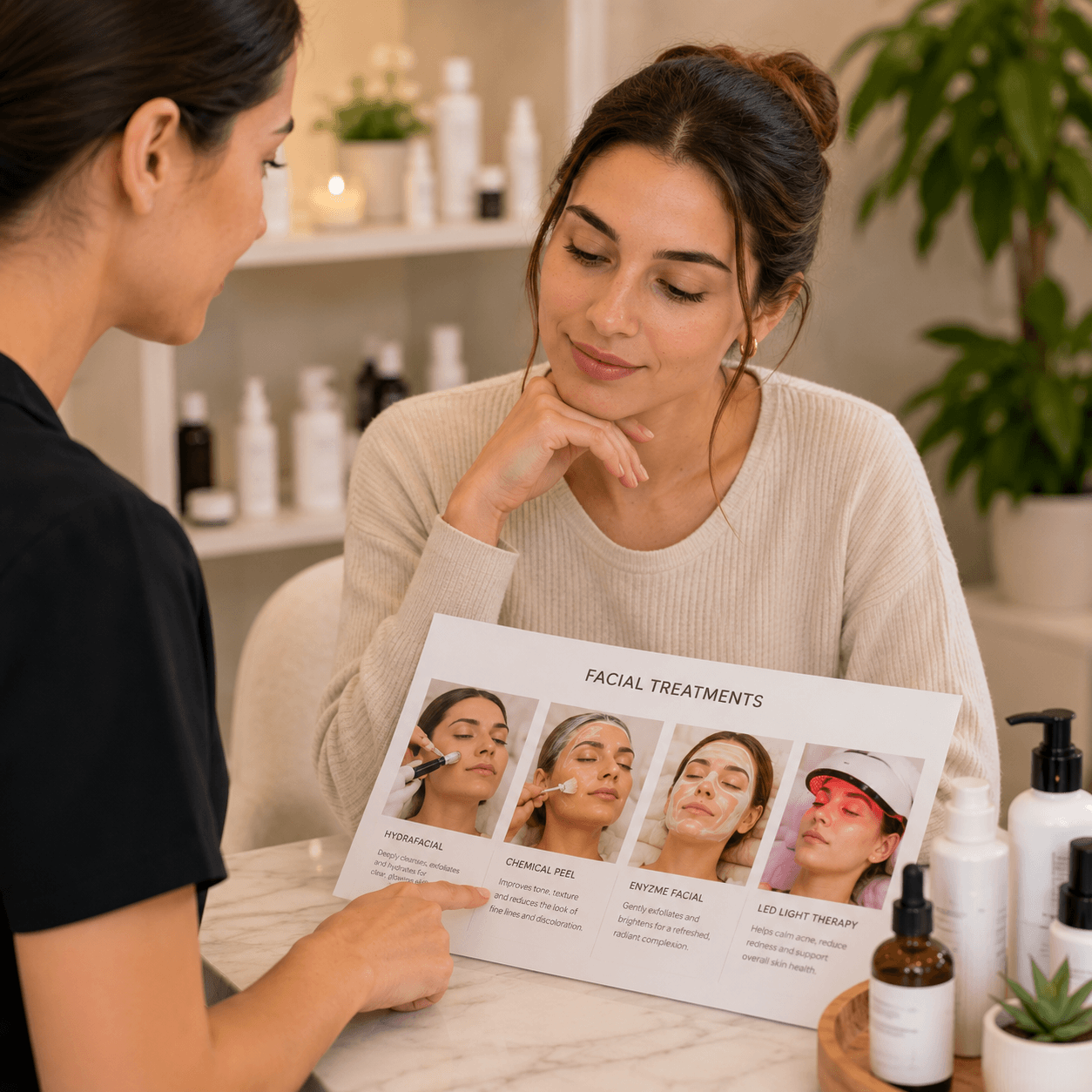
Because pigmentation varies so much from person to person, a personalized plan based on your specific type and cause of discoloration will always outperform a generic brightening facial. You can explore our full treatment lineup on our services page or browse real results in our gallery.
Your Dark Spots Don't Have to Be Permanent
Stubborn pigmentation can feel discouraging, especially after months of effort with little visible change. But with the right professional treatment, realistic timeline, and consistent sun protection, real, lasting fading is absolutely achievable.
Book your consultation today and let's finally make progress on those dark spots.
Frequently Asked Questions
Why won't my dark spots fade with skincare products alone?
At-home products often lack the strength to reach deeper pigmentation, which is why professional hyperpigmentation treatment tends to produce more noticeable results.
What's the difference between melasma and sun spots?
Melasma typically appears as larger, symmetrical patches linked to hormonal changes, while sun spots are usually smaller and scattered across sun-exposed areas.
Can acne marks be treated the same way as sun damage?
Yes, post-acne marks are a form of hyperpigmentation and often respond to similar treatments, though addressing any active acne treatment needs at the same time is important.
How long until I see results from hyperpigmentation treatment?
Many clients notice initial brightening within a few weeks, with more significant fading typically visible over one to three months.
Does sunscreen really matter that much for treating dark spots?
Yes, daily SPF is essential, since sun exposure directly stimulates melanin production and can undo professional treatment progress.
.svg)
.svg)
.svg)